William Wallace was a Scottish commander who became a leader of resistance to English rule. He helped win the battle of Stirling Bridge in 1297, was defeated at Falkirk and was later captured and executed in London.
Wallace emerged as a major rebel leader in 1297 and, together with Andrew Moray, defeated an English army at Stirling Bridge. He subsequently served as Guardian of Scotland, but resigned after defeat at Falkirk in 1298. Wallace continued resistance and diplomatic activity for several years before being captured near Glasgow in 1305, taken to London, convicted of treason and executed at Smithfield.
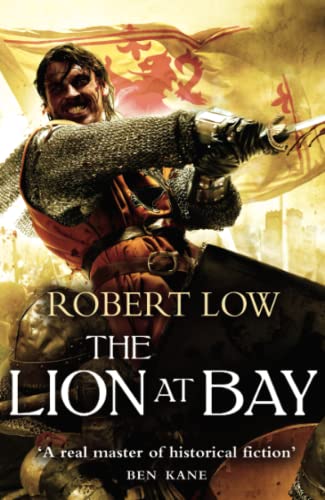
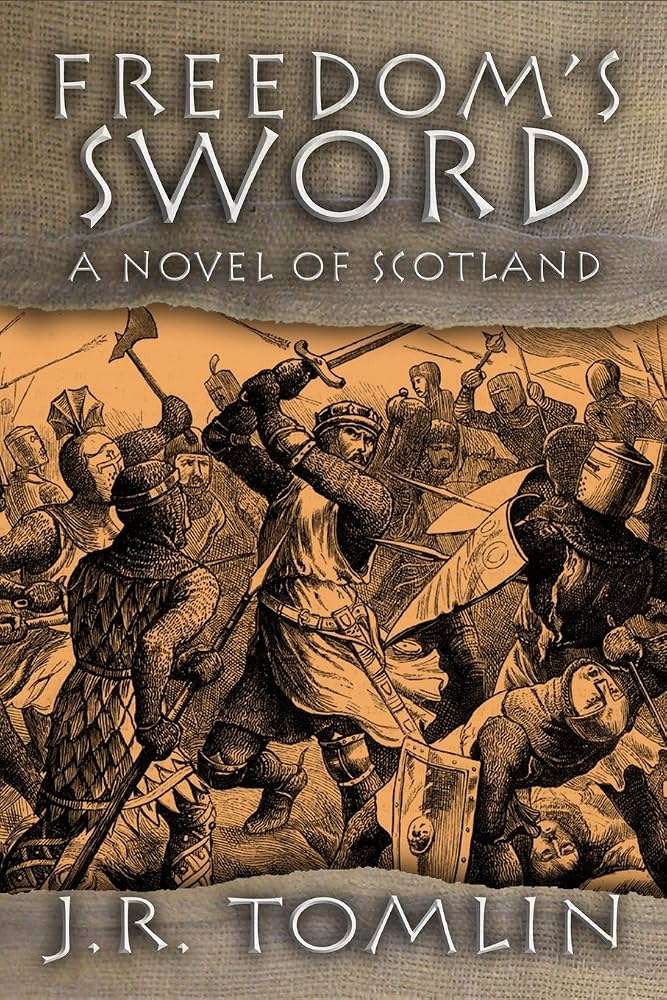
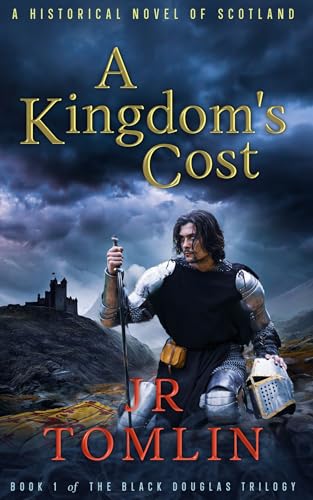
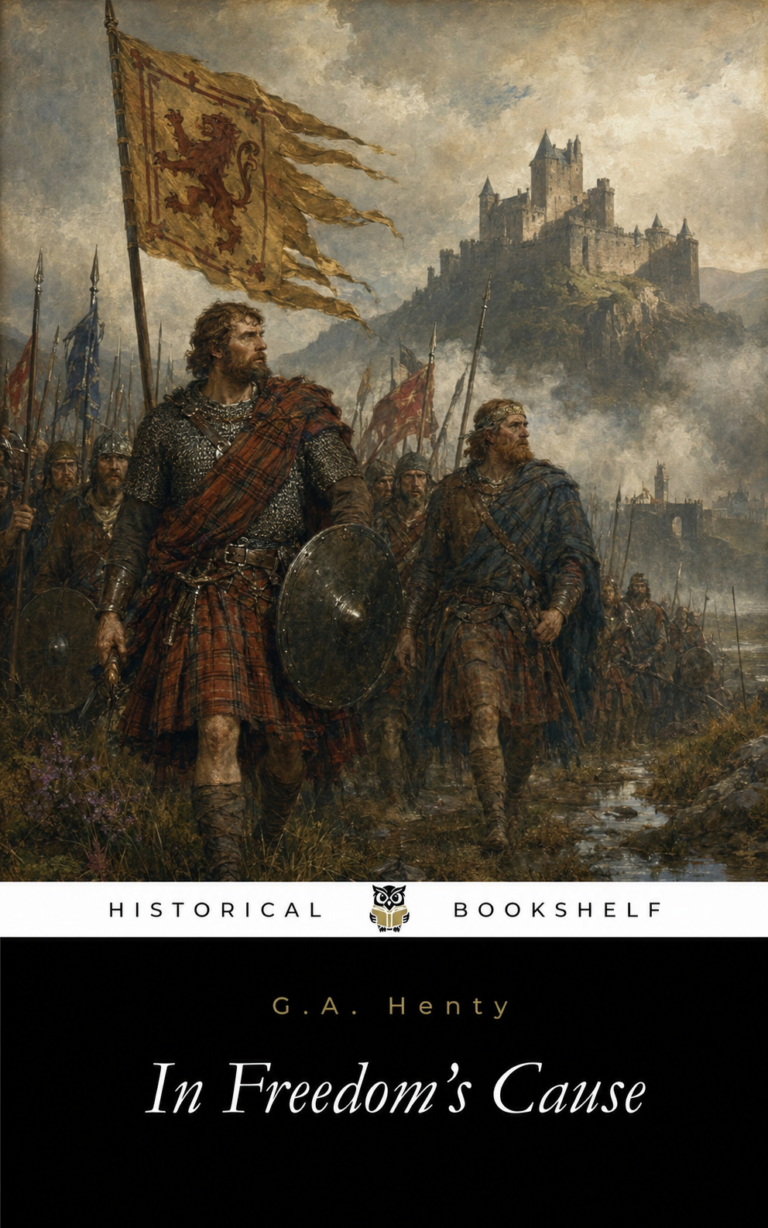
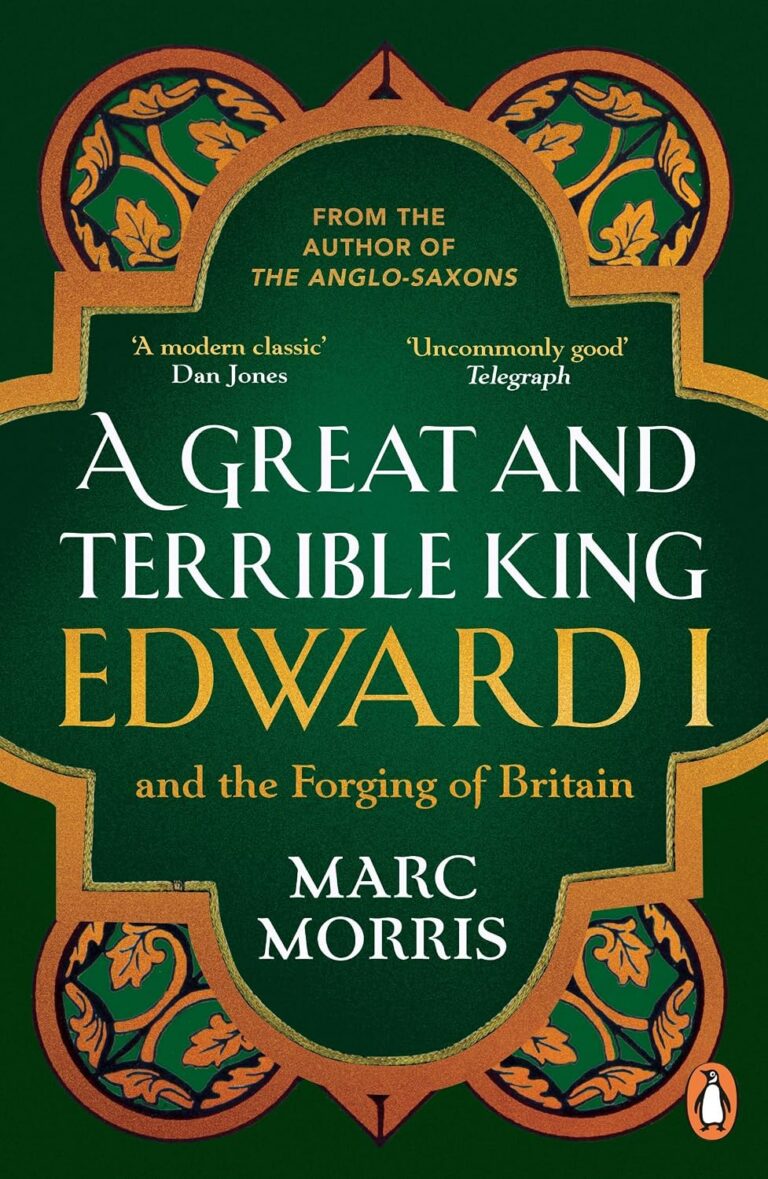
Marc Morris’ A Great and Terrible King examines Wallace from the perspective of Edward I’s Scottish wars, placing his revolt within the English king’s attempt to dominate the succession and government of Scotland. J. R. Tomlin’s A Kingdom’s Cost and Freedom’s Sword follow fictional Scots drawn into Wallace’s rising, using his victories and eventual defeat to measure the personal cost of resistance. G. A. Henty’s In Freedom's Cause presents Wallace as the heroic leader around whom its young protagonists rally before the struggle passes to Robert the Bruce. Robyn Young’s Insurrection gives a darker political treatment, setting Wallace’s rebellion beside Bruce family ambition and the divided loyalties of the Scottish nobility.