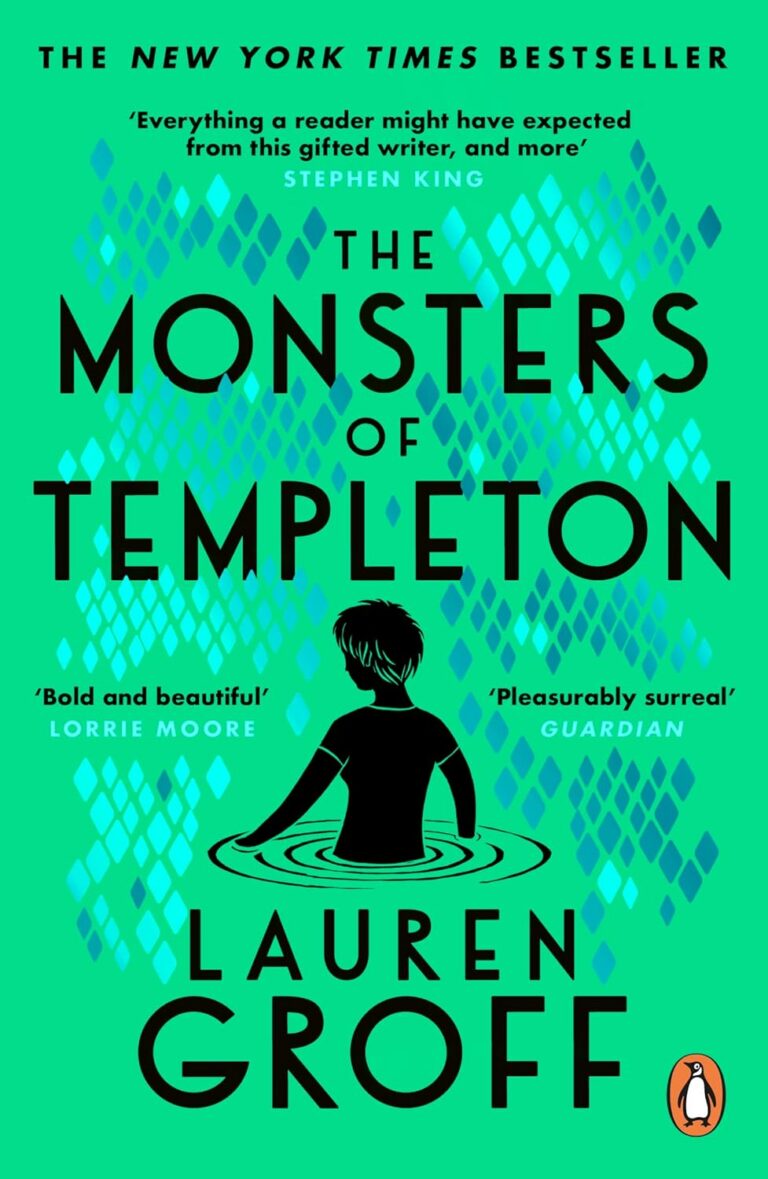
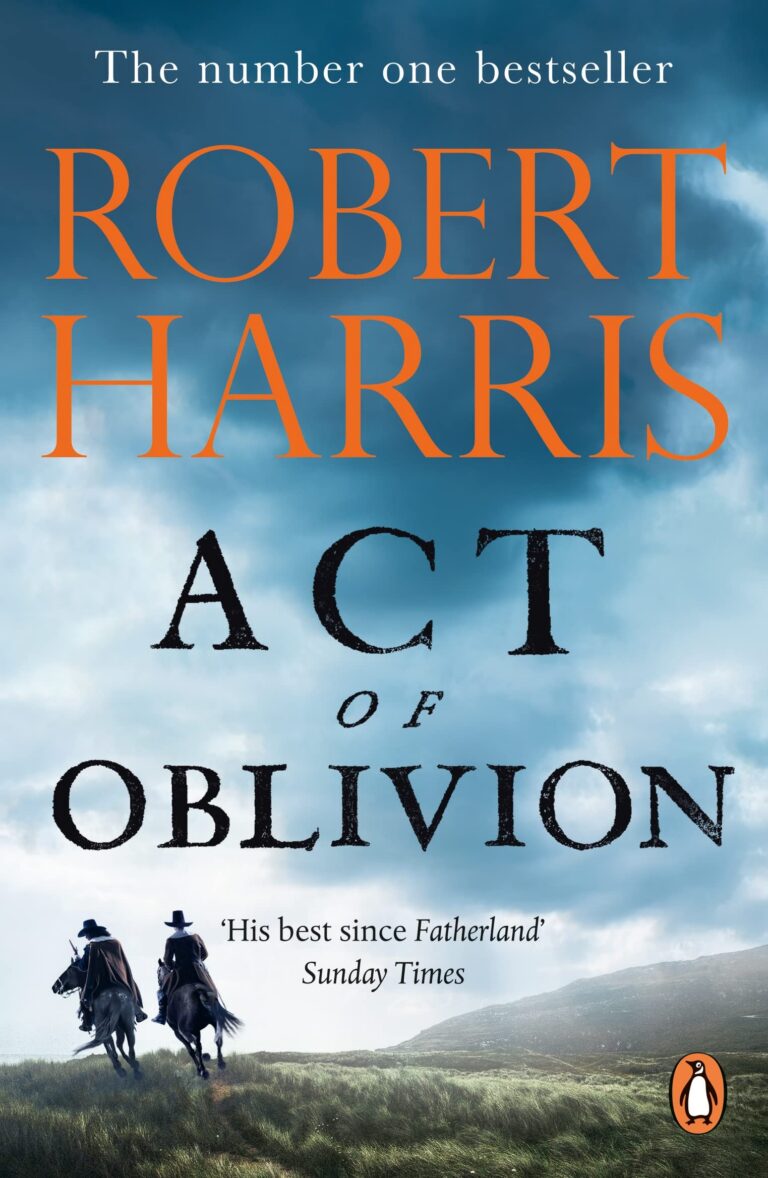
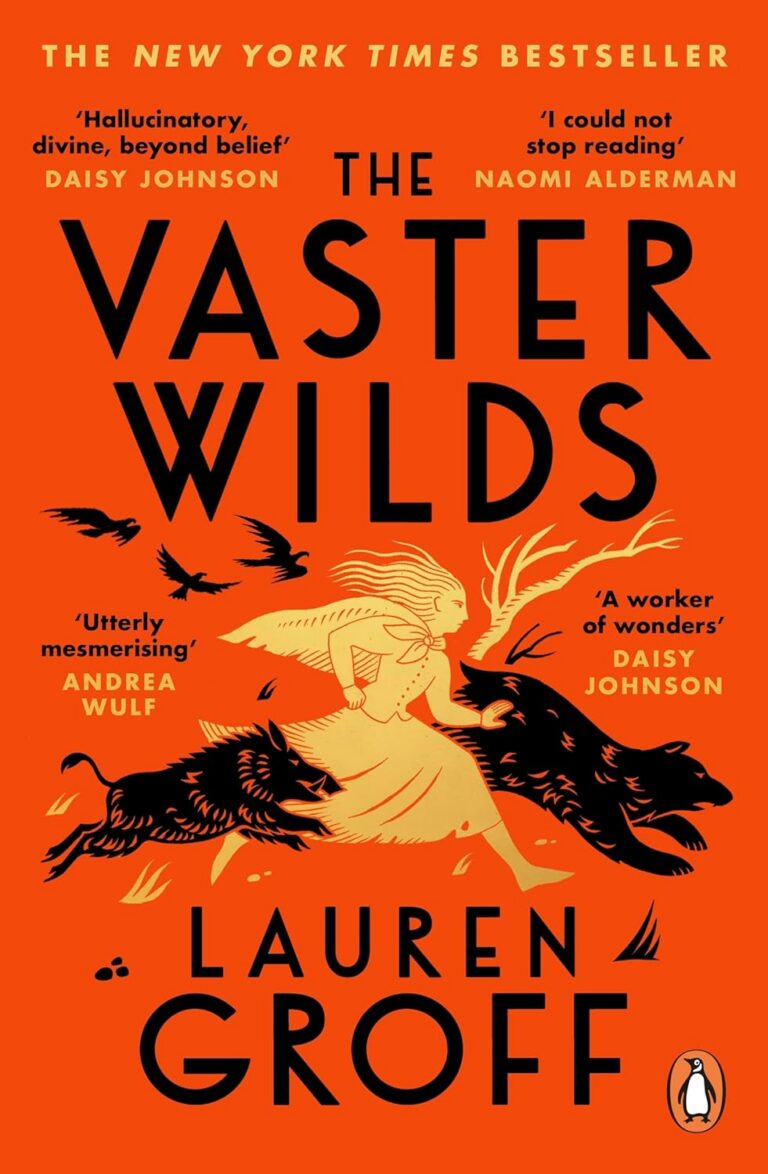
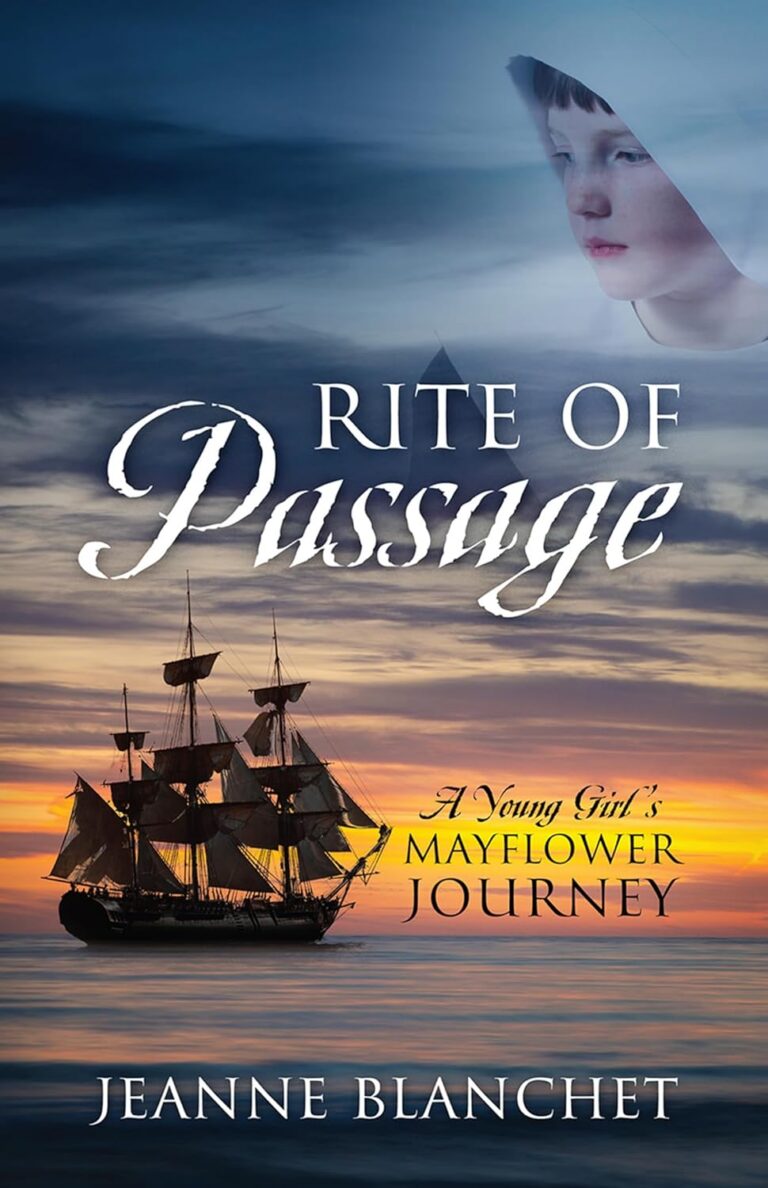
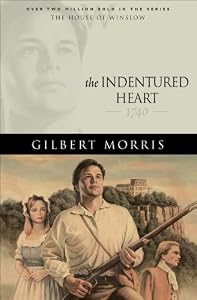
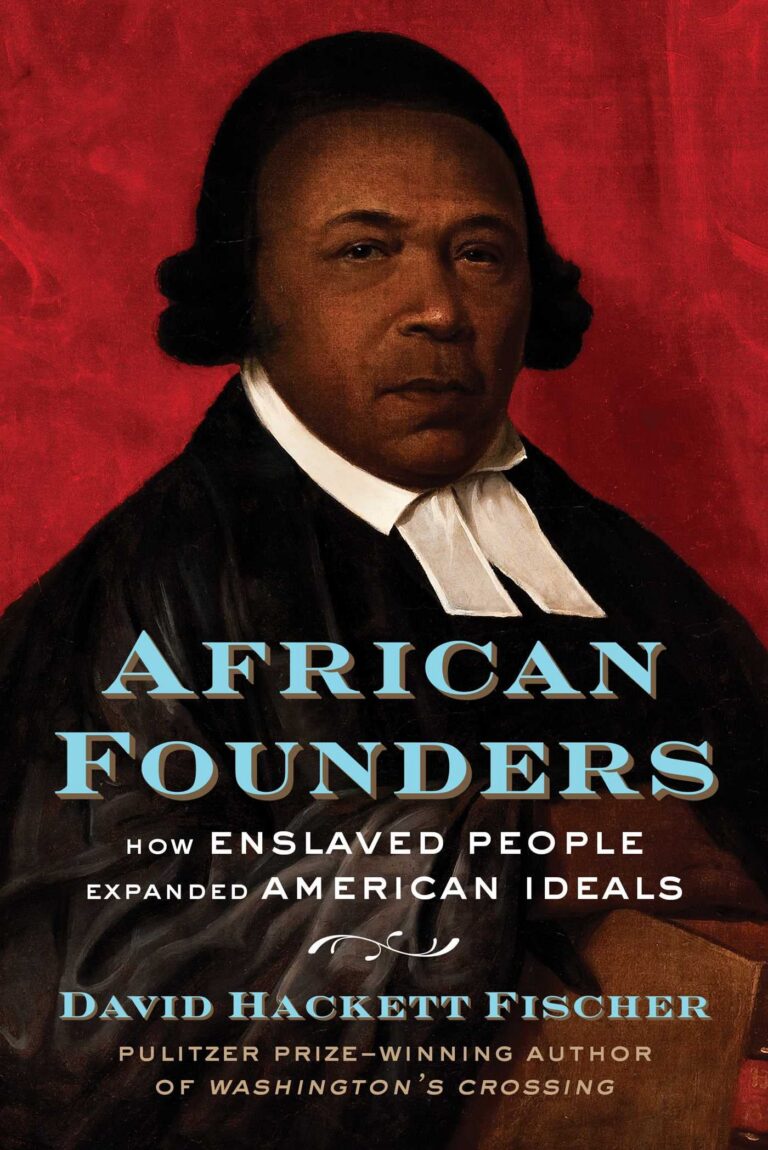
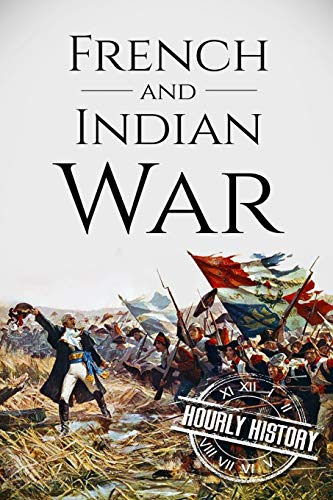
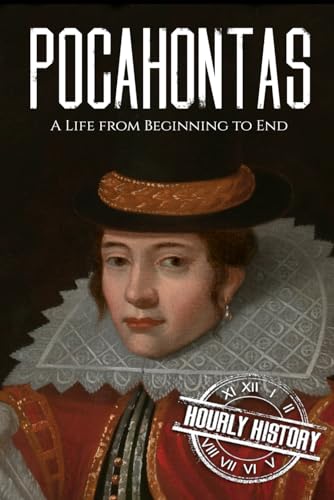
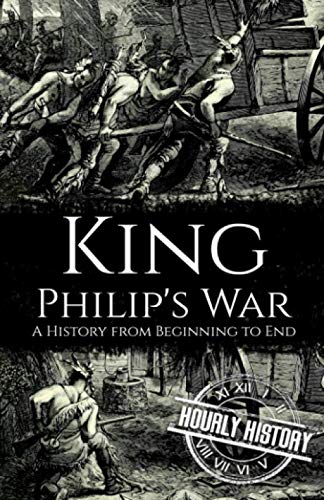
Early Colonial America covers the English, French, Spanish, Dutch and other colonial worlds that developed in North America before the American Revolution. It involved settlement, Indigenous diplomacy and resistance, forced African labour, religious communities, frontier violence and Atlantic trade. The period cannot be reduced to founding myths because it was built on contested land, empire and slavery.
Its importance lies in the creation of societies that were already diverse, unstable and tied to global commerce. Colonists, Indigenous nations, enslaved people, merchants, missionaries and imperial officials all shaped the future United States and Canada. It is a strong setting for novels about survival, captivity, witchcraft, migration, family memory and cultural conflict.
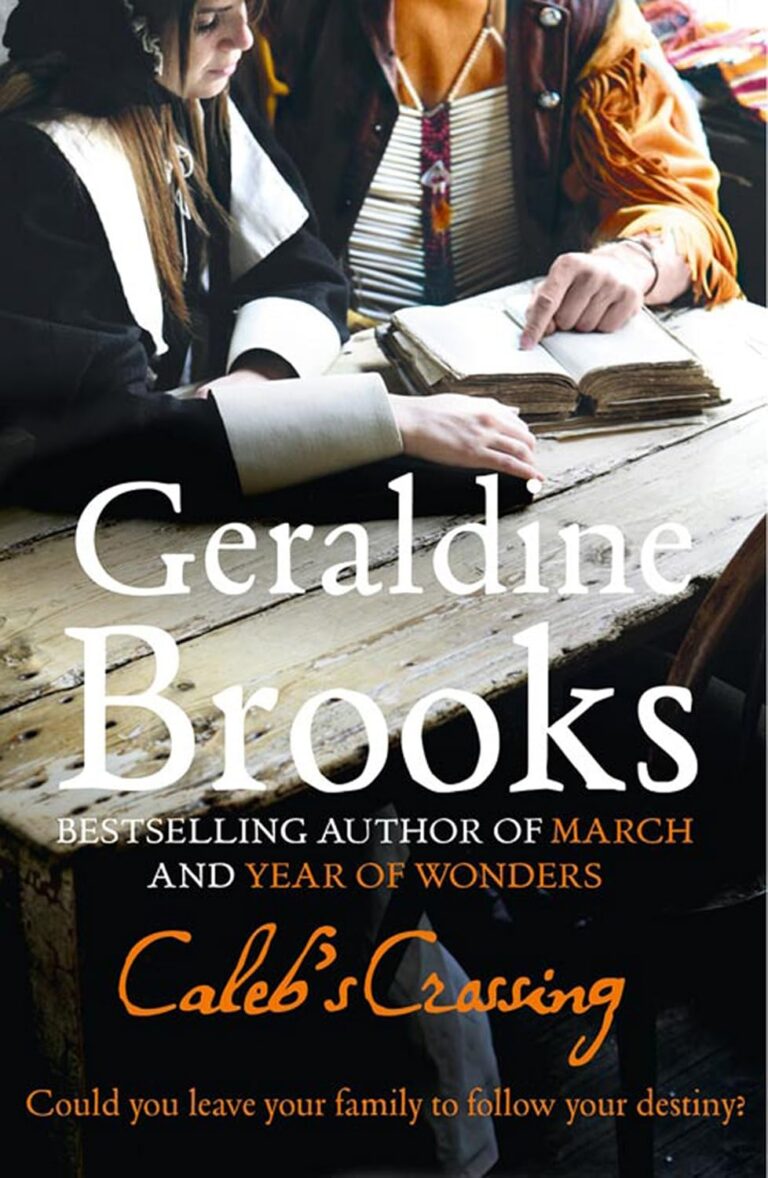
American historical fiction gives these entries strong book-discovery value, from James Fenimore Cooper and Kenneth Roberts to Michael Shaara, Charles Frazier, Geraldine Brooks, Paulette Jiles, Larry McMurtry, Charles Portis and Philipp Meyer. Series fiction often follows families, soldiers, settlers, enslaved people, outlaws, scouts and frontier towns across several generations. These pages can connect war novels, frontier fiction, literary westerns, colonial narratives and novels about revolution, slavery and expansion.