Books






















As an Amazon Associate I earn from qualifying purchases. Affiliate disclosure.
Phase
1933–1939 CE
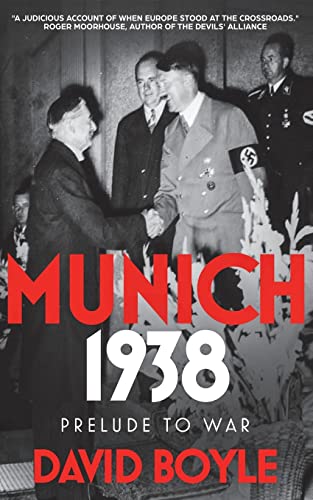
Appeasement refers to the diplomatic efforts, especially by Britain and France, to avoid another European war by negotiating with Nazi Germany. It unfolded through rearmament, the remilitarisation of the Rhineland, Anschluss, the Munich crisis and the dismemberment of Czechoslovakia. The policy was shaped by fear of war, military weakness, public memory of 1914–18 and misjudgment of Hitler’s aims.
This phase matters because it is rich in moral ambiguity and hindsight. Characters can believe they are preserving peace while enabling aggression. The setting is useful for political thrillers, diplomatic fiction and spy novels about compromise, warning signs and the cost of delay.
Books
Non-Fiction
Histories, biographies and reference works are listed separately from the historical novels above.