Dingane was king of the Zulu kingdom from 1828 to 1840 after participating in the assassination of his half-brother Shaka. His reign included conflict with Boer Voortrekkers, the killing of Piet Retief’s party and defeat at the Battle of Blood River before he was overthrown by Mpande.
Dingane kaSenzangakhona was born in KwaZulu-Natal and died in Lebombo Mountains. Dingane became Zulu king after the assassination of his half-brother Shaka in 1828; conflict with Voortrekker settlers culminated in the killing of Piet Retief’s party and Dingane’s defeat at Blood River in 1838.
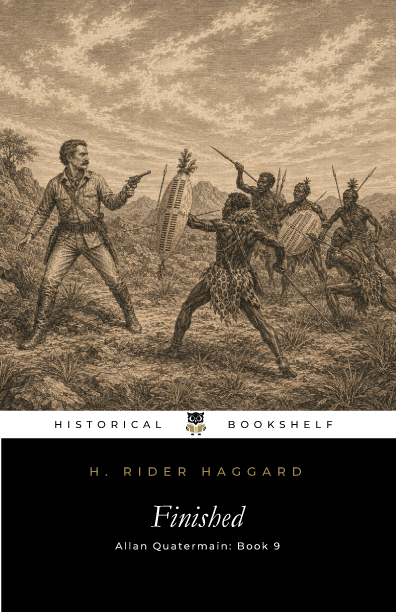
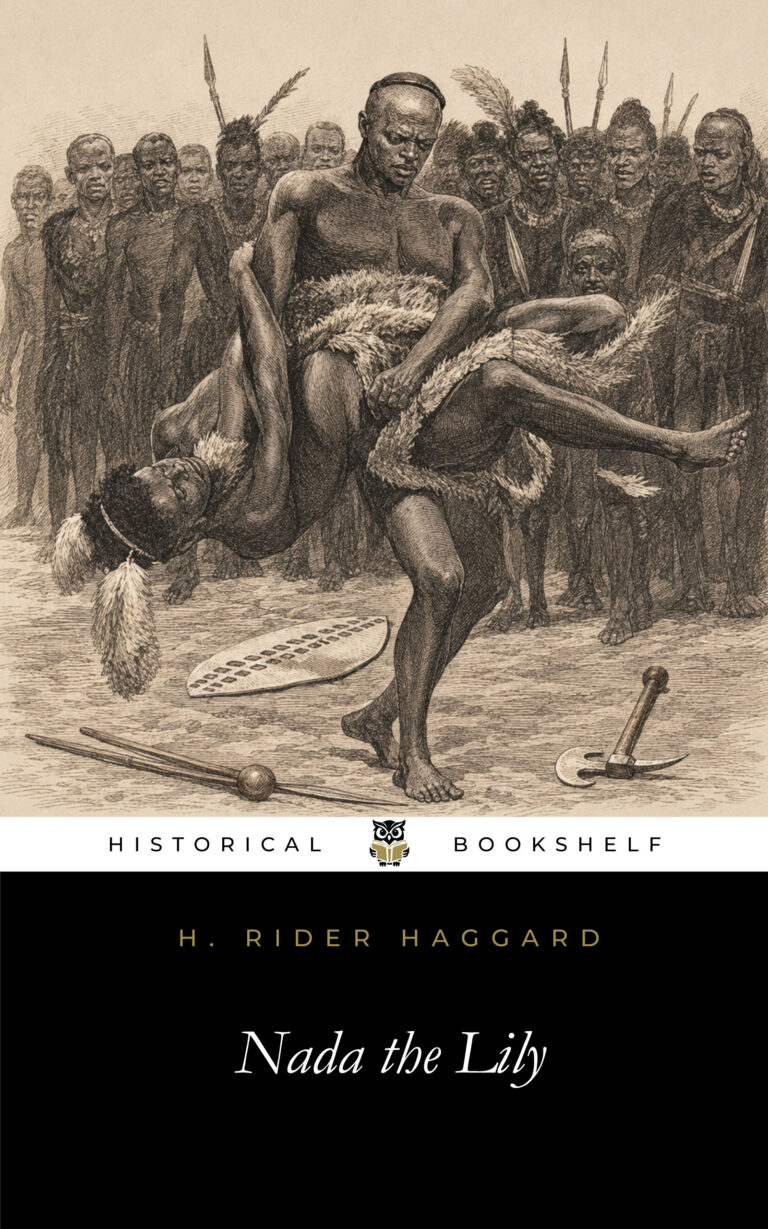
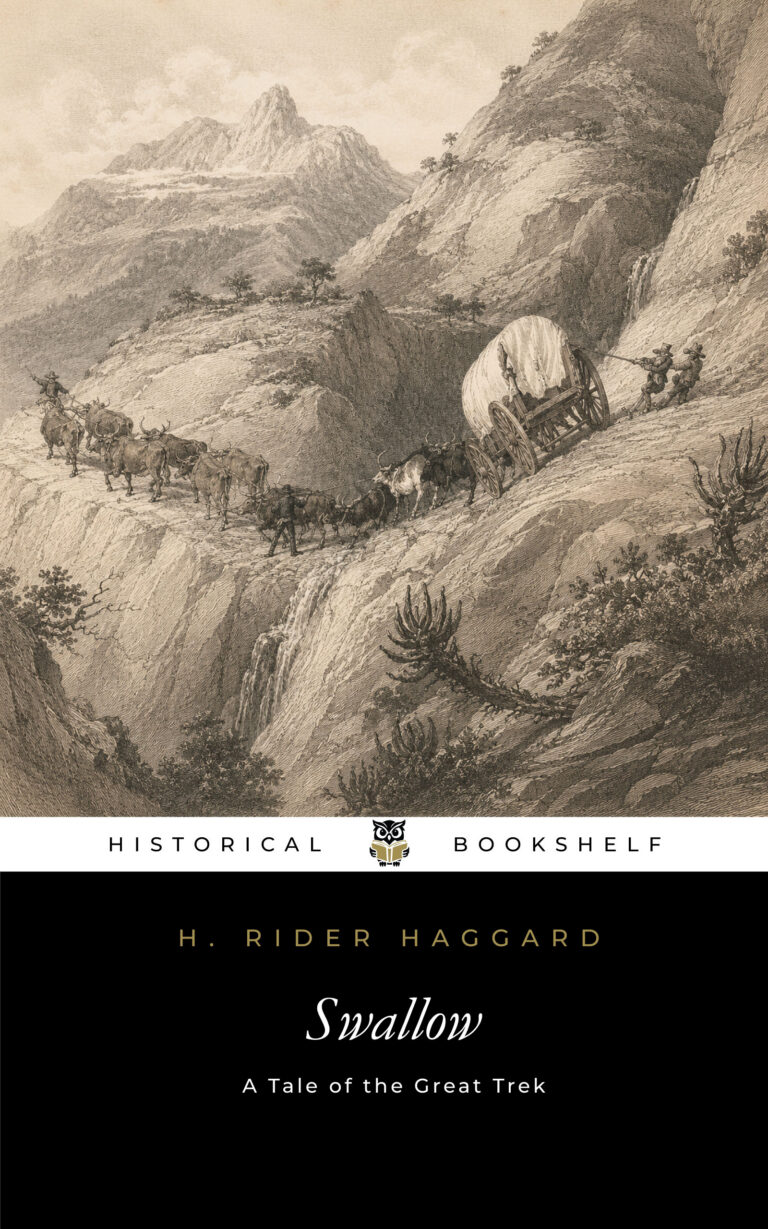
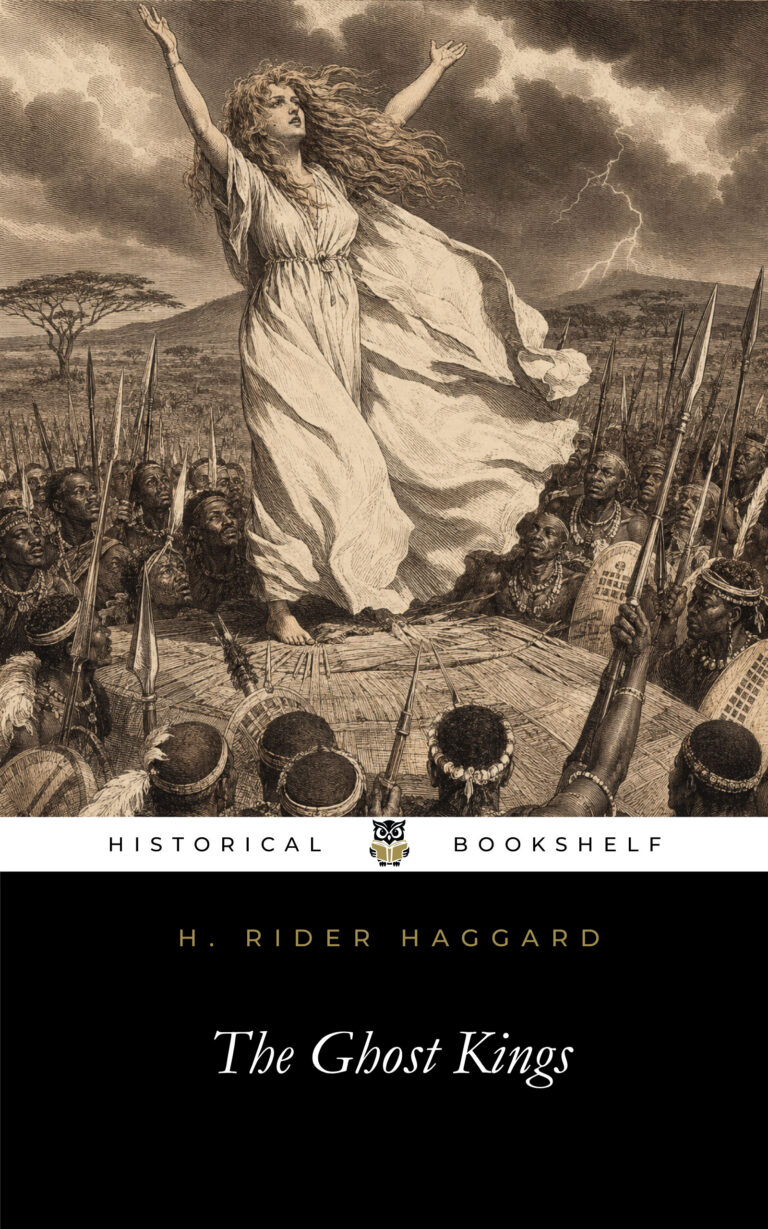
H. Rider Haggard’s Marie takes Allan Quatermain through the Great Trek and into Dingane’s court, where the Piet Retief mission and its violent aftermath become part of the novel’s central history. Nada the Lily places Dingane within the brutal succession from Shaka and the cycle of royal murder, vengeance and conquest surrounding Umslopogaas. In The Ghost Kings, missionary’s daughter Rachel Dove becomes entangled in schemes involving Dingane and the renegade Ishmael on the borders of Zululand. Ian Knight’s Great Zulu Battles, 1838–1906 treats Dingane’s reign and the Battle of Blood River as the opening phase of a longer military history. Knight’s The Anatomy of the Zulu Army explains the military and age-regiment system inherited from Shaka and carried through Dingane, Mpande and Cetshwayo.