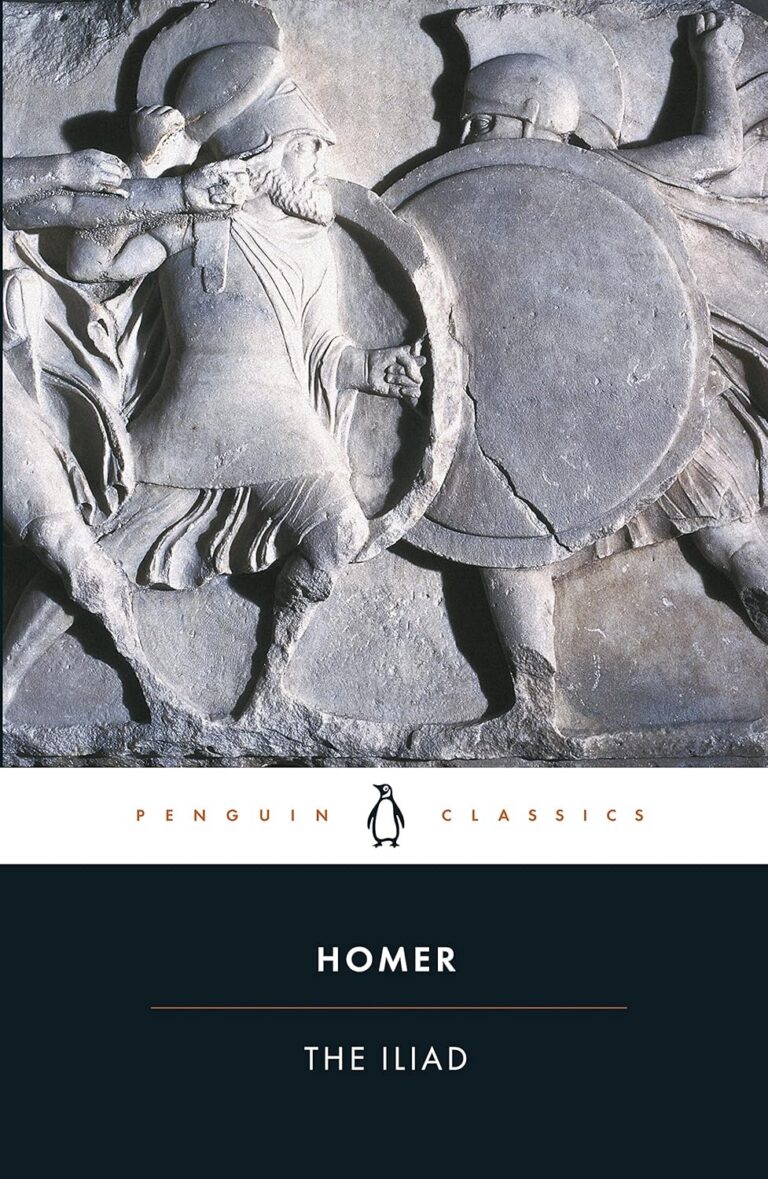
Achilles was the greatest Greek warrior in Homeric tradition and the central martial figure of the Iliad. The son of the mortal king Peleus and the sea-goddess Thetis, he is renowned for his speed, courage and almost unmatched skill in battle.
His quarrel with Agamemnon causes him to withdraw from the fighting at Troy, allowing the Trojans to drive the Greeks back towards their ships. After Hector kills Patroclus, Achilles returns to battle in overwhelming grief and anger, kills Hector and dishonours his body before finally yielding it to the aged King Priam. Although Achilles knows that returning to battle will lead to his own early death, he chooses lasting glory over a long and obscure life. Later Greek tradition places Achilles’ own death before the fall of Troy, usually through a wound inflicted by Paris; the famous vulnerable heel belongs to later versions rather than to Homer’s Iliad.
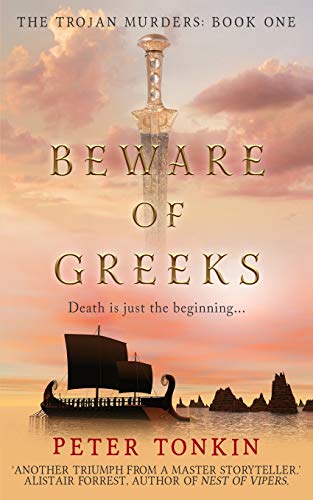
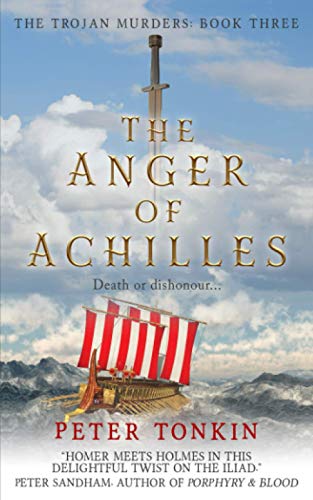
In Peter Tonkin’s Beware of Greeks, in Aulis, a merchant’s son disabled during a robbery survives as an apprentice rhapsode until Odysseus recruits him for the search for Achilles. In Susan C Wilson’s Helen’s Judgement, the new life she imagines rapidly becomes another confinement as Trojans and Achaeans make her the explanation for a war created by royal ambition. Helen’s account alternates with that of Achilles, whose pursuit of glory binds him to the Greek expedition and to Patroclus even when conflict with Agamemnon removes him from battle. Achilles is treated fictionally in Peter Tonkin’s The Anger of Achilles, Euripides’ The Bacchae and Other Plays, Caroline Alexander’s The Iliad, Madeline Miller’s The Song of Achilles, and Euripides’ The Trojan Women and Other Plays.