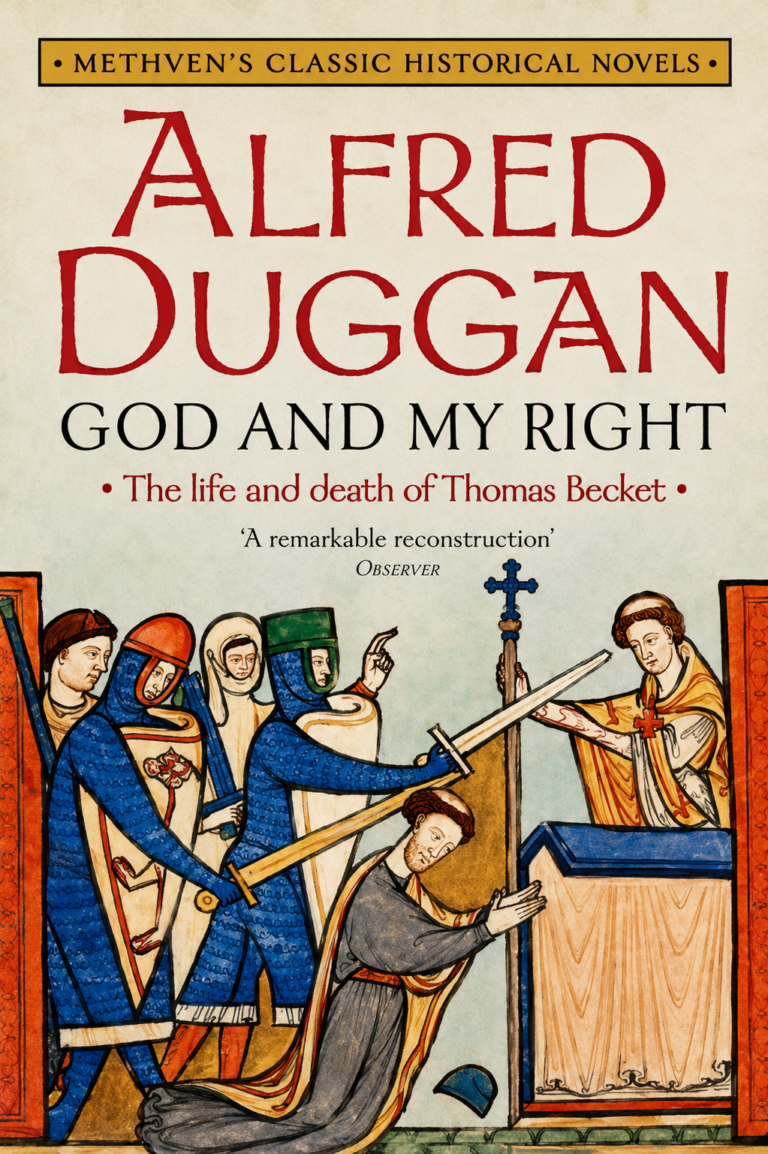
Henry II ruled England from 1154 to 1189 and built an extensive Angevin realm stretching from the Scottish border to the Pyrenees. His legal and administrative reforms strengthened royal justice, while his conflict with Archbishop Thomas Becket ended in Becket’s murder and a major political crisis.
Henry’s government expanded the reach of royal justice through travelling justices, writs and procedures that contributed to the development of English common law. His attempt to define the crown’s authority over the church brought him into bitter conflict with Thomas Becket, whose murder in Canterbury Cathedral in 1170 forced Henry into public penance. Despite repeated family rebellions, the administrative structures of his reign had a lasting influence beyond the collapse of his personal empire.
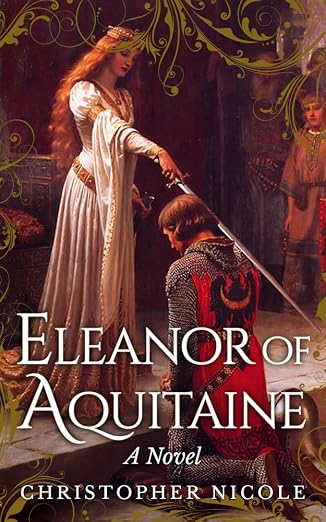
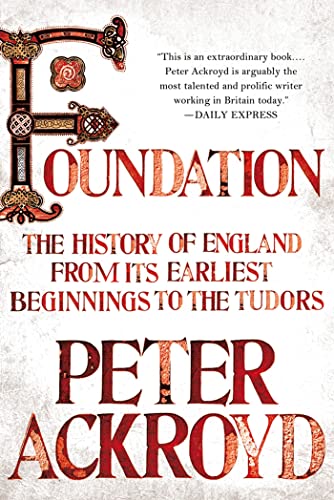
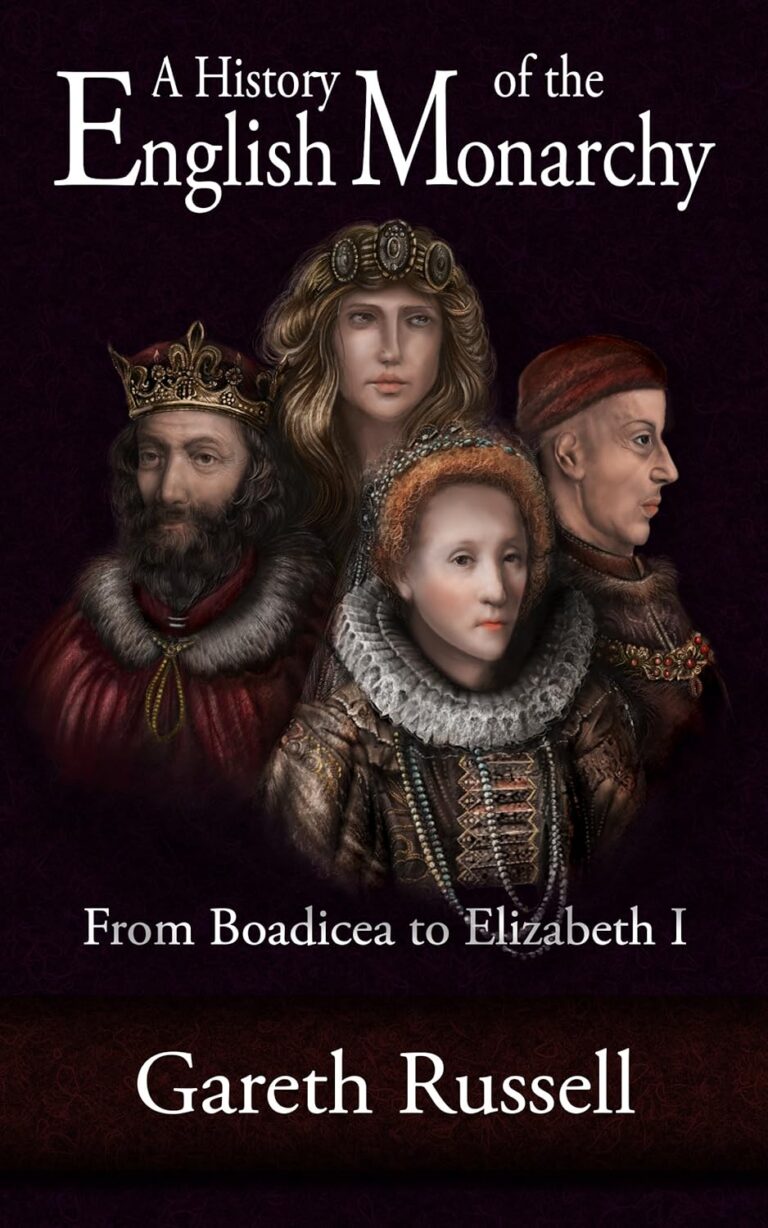
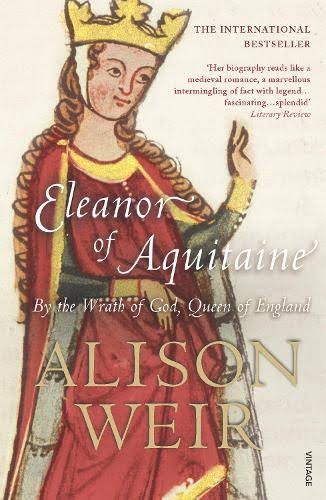
In Anne O’Brien’s Devil’s Consort, after the annulment of the French marriage, Eleanor chooses the younger Henry of Anjou, who soon becomes Henry II of England. Gareth Russell’s A History of the English Monarchy moves through the Norman settlement, the Angevin empire, medieval succession disputes, the Wars of the Roses and the consolidation of the Tudor dynasty. Attention is also given to England’s changing relationships with Wales, Scotland and Ireland. Historical accounts that place Henry II of England in context include Peter Ackroyd’s Foundation, Richard Barber’s Henry II (Penguin Monarchs), David Crouch’s Medieval Britain, C. 1000–1500, Alison Weir’s Eleanor of Aquitaine, and Alison Weir’s Queens of the Crusades.