c. 90–13 BCE
Marcus Aemilius Lepidus supported Julius Caesar and held important commands after the dictator’s assassination. In 43 BCE he joined Mark Antony and Octavian in the legally constituted Second Triumvirate, sharing responsibility for the proscriptions and the war against Brutus and Cassius. His influence later declined as Antony and Octavian became the dominant rivals.
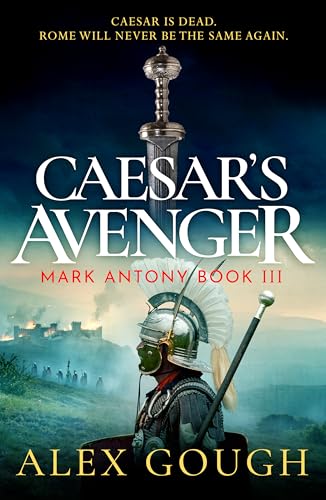
In Caesar’s Avenger, Lepidus is part of the unstable alliance through which Antony converts military strength into state power. His presence helps show that the triumvirate was a negotiated coalition rather than simply a personal duel between Antony and Octavian.
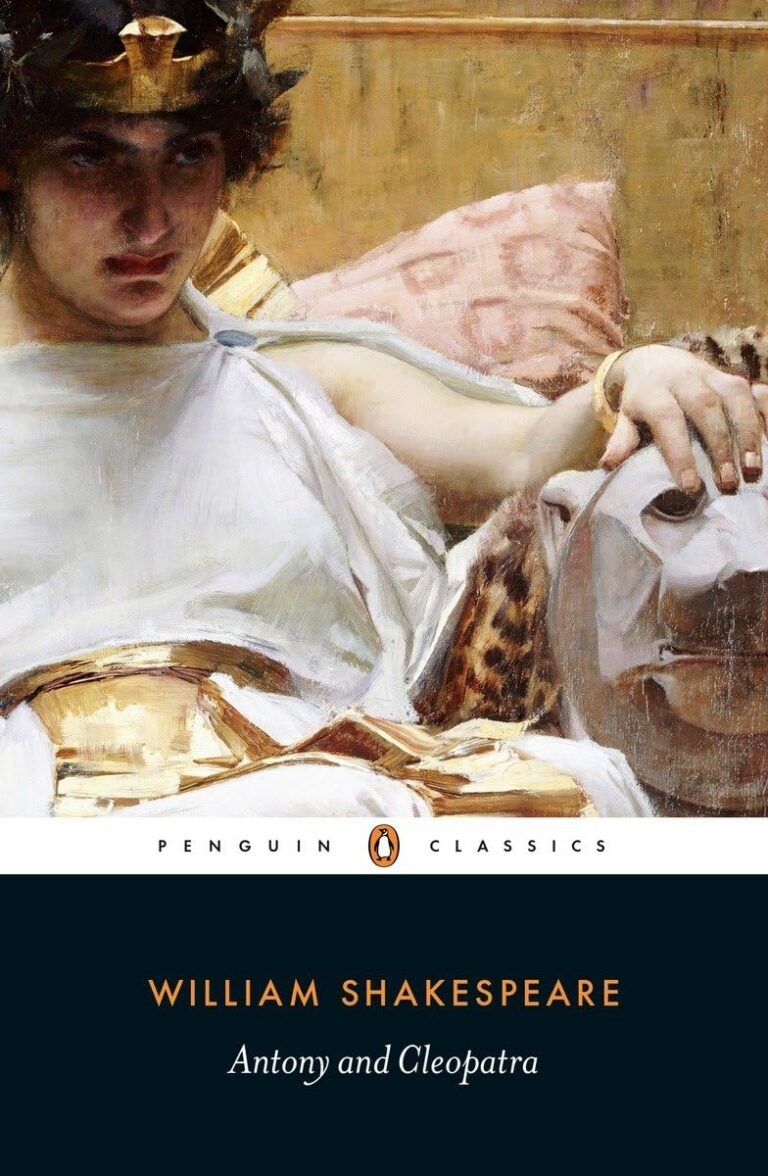
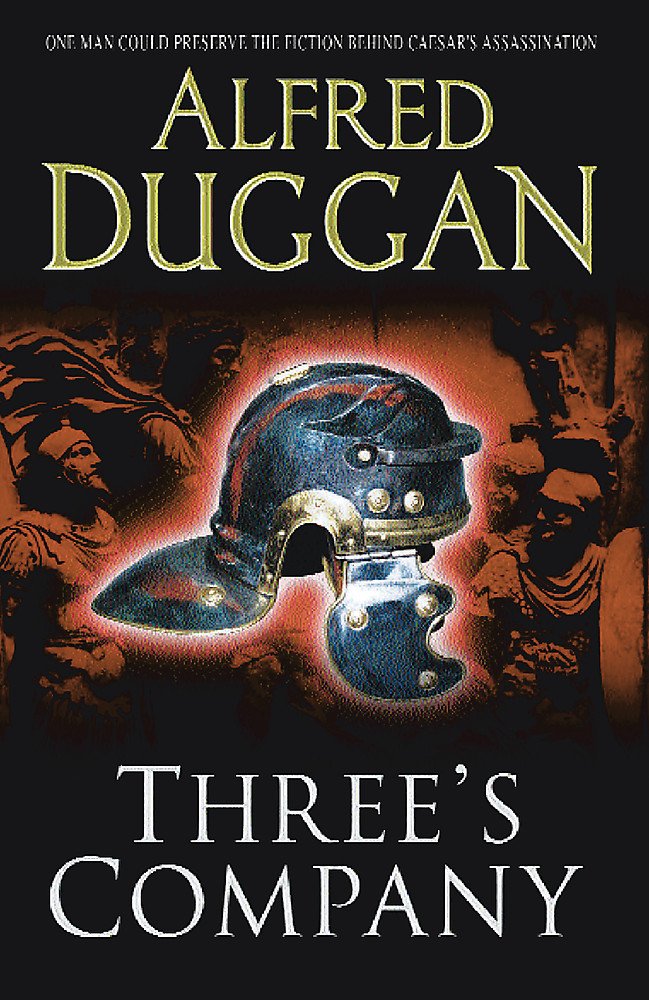
Alfred Duggan’s Three’s Company makes Lepidus the viewpoint through which the Second Triumvirate becomes a story of survival beside more forceful partners: he helps reconcile Antony and Octavian, shares in the proscriptions and gradually discovers that formal equality does not guarantee real power. Alex Gough’s Caesar’s Avenger places him in the creation of that triumvirate and the campaign against Brutus and Cassius. Colleen McCullough’s The October Horse carries Lepidus from Caesar’s final years into the unstable settlement after the assassination. In both Shakespeare’s and McCullough’s Antony and Cleopatra, Lepidus belongs to the uneasy three-man division of the Roman world that is progressively reduced to a rivalry between Antony and Octavian.