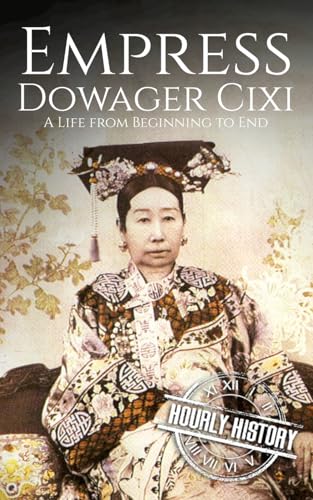
Empress Dowager Cixi entered the Xianfeng emperor’s household as a concubine and became the mother of his only surviving son, the future Tongzhi emperor. After Xianfeng’s death in 1861, she joined Empress Dowager Ci’an and Prince Gong in the Xinyou Coup, removing the regents appointed by the late emperor. Cixi then exercised power as co-regent for Tongzhi and later became the dominant figure behind the throne during much of the Guangxu emperor’s reign.
Her political career spanned the Taiping aftermath, Self-Strengthening reforms, foreign intervention, the Sino-Japanese defeat of 1894–95, the Hundred Days’ Reform and the Boxer crisis. In 1898 she supported the removal of Guangxu’s reformist advisers and confined the emperor after a struggle over the pace and control of reform. During the Boxer uprising the court eventually backed war against the foreign powers and fled Beijing in 1900; afterward Cixi authorised extensive late-Qing institutional reforms. Modern scholarship has revised, without eliminating, older portrayals of her as simply irrational or anti-modern.
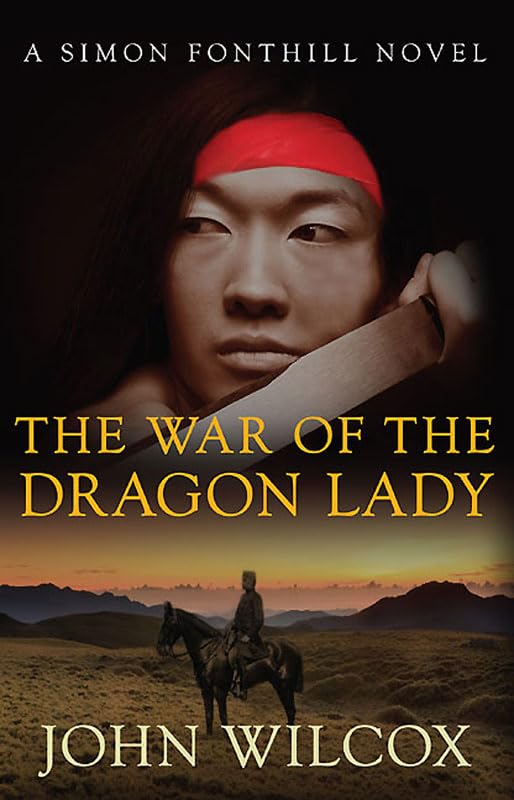
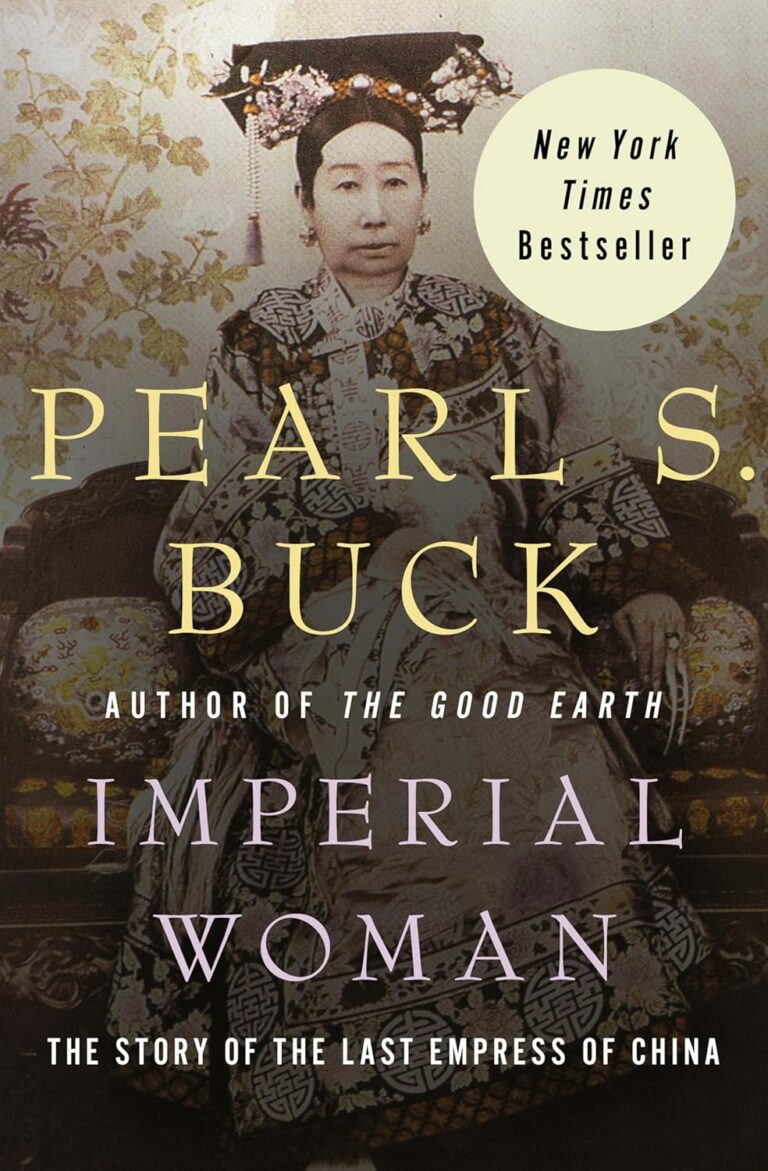
Pearl S. Buck’s Imperial Woman gives Cixi a full fictionalised life from imperial concubine to the dominant empress dowager of the late Qing court. Anchee Min’s Empress Orchid follows the young Orchid through the Xianfeng Emperor’s household, the birth of Tongzhi and the coup that brings the imperial mothers to power; The Last Empress continues her story through Tongzhi’s death, Guangxu’s reign, reform, the Boxer crisis and the flight from Beijing. George MacDonald Fraser’s Flashman and the Dragon encounters Cixi during the Second Opium War before her later supremacy, while John Wilcox’s The War of the Dragon Lady places her court within the confrontation with foreign powers. Jung Chang’s Empress Dowager Cixi and the wider histories linked here examine the same reign from non-fictional perspectives.