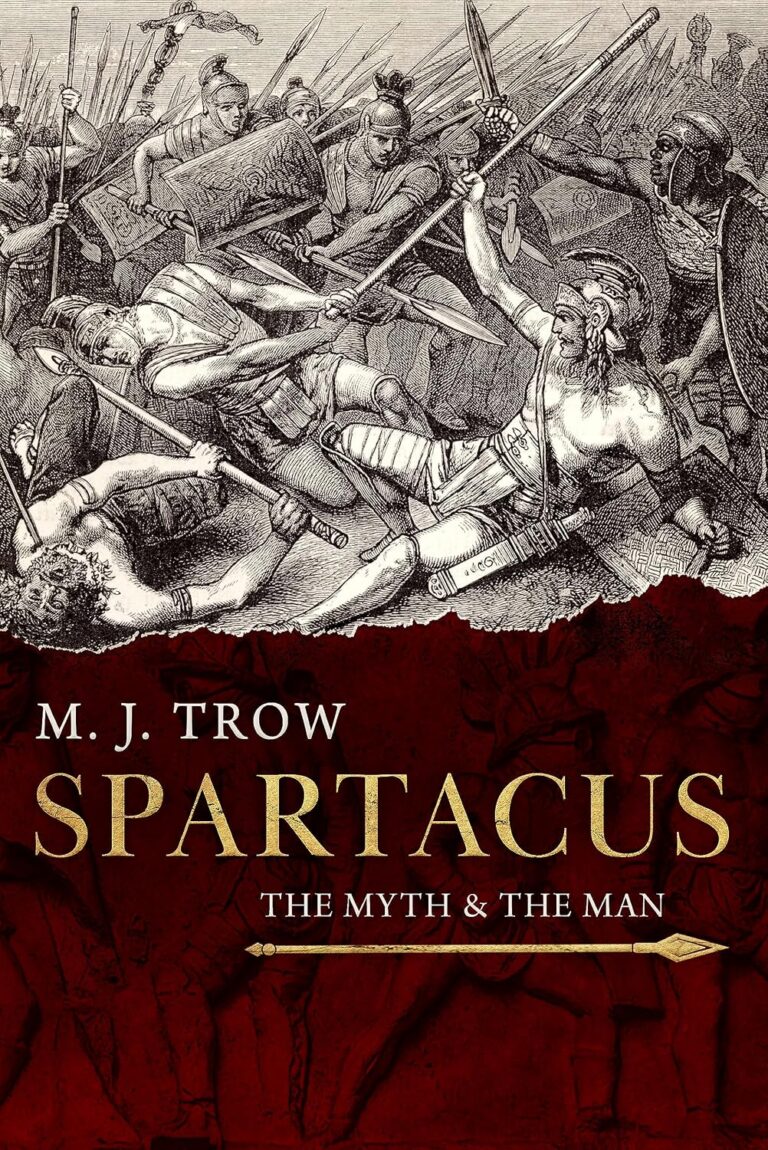
Spartacus was a Thracian gladiator who escaped from a school at Capua in 73 BC and became the leading figure in a massive revolt of enslaved people and rural workers. His army defeated successive Roman forces and moved across Italy for two years. The rebels’ aims remain uncertain, and ancient accounts disagree over strategy and internal division.
The rebel force defeated several Roman armies and moved repeatedly through southern and northern Italy, but ancient sources disagree over Spartacus's ultimate strategic aims. Rome eventually gave Marcus Licinius Crassus extraordinary command against the uprising. In 71 BC Crassus trapped and defeated the remaining rebels in southern Italy; Spartacus was killed in the final fighting and thousands of prisoners were crucified along the Appian Way.
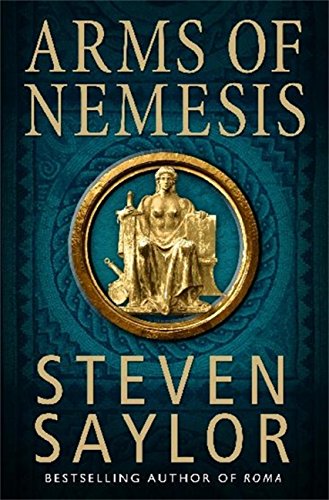
Captivating History’s Spartacus recounts the Third Servile War, the great slave uprising that shook the Roman Republic between 73 and 71 BC. Captivating History’s The Servile Wars follows the uprisings in Sicily and culminates in the rebellion led by Spartacus in Italy, explaining how large enslaved populations, brutal conditions and Roman military commitments created opportunities for resistance. Further fictional perspectives on Spartacus can be found in Steven Saylor’s Arms of Nemesis, Peter Darman’s Companions, Colleen McCullough’s Fortune’s Favourites, Peter Darman’s Parthian Dawn, and Peter Darman’s The Parthian.