Jacques de Molay was the last Grand Master of the Knights Templar. He was arrested during Philip IV of France’s campaign against the order and burned in Paris in 1314 after refusing to sustain confessions extracted under pressure.
Molay entered the Templars in the 1260s and spent much of his career in the eastern Mediterranean before being elected Grand Master around 1292, shortly after the fall of Acre. From Cyprus he tried to reform the order, secure European support for renewed crusading and organise operations against the Mamluks, including attempts to cooperate with the Mongol Ilkhanate. These plans achieved little lasting success, and by the early fourteenth century the Templars’ military purpose was increasingly questioned in Europe, leaving the order politically vulnerable when Philip IV moved against it.
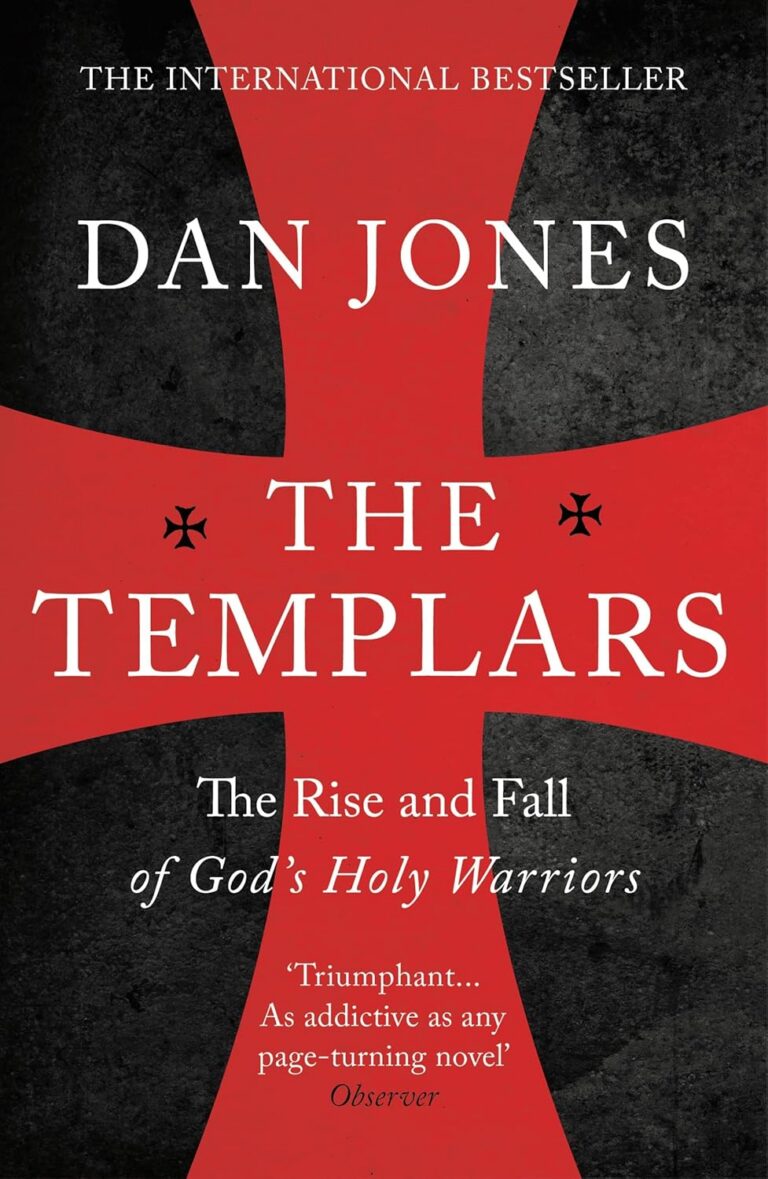
In Dan Jones’ The Templars, the loss of the Holy Land weakened the order’s purpose and exposed it to royal hostility. Philip IV of France arrested the Templars, extracted confessions through coercion and pressed the papacy towards suppression, while the last grand master, Jacques de Molay, was executed. In Maurice Druon’s The Iron King, in 1314 Philip IV rules France through an increasingly centralised monarchy burdened by war and debt. His destruction of the Knights Templar reaches its final stage with the execution of Jacques de Molay, whose legendary curse becomes the symbolic beginning of the dynasty's collapse. Jacques de Molay is treated fictionally in Jack Whyte’s Order in Chaos.