Henrietta Maria of France was the youngest daughter of Henry IV of France and Marie de’ Medici. In 1625 she married Charles I and became queen consort of England, Scotland and Ireland. A French Catholic at a Protestant court, she was initially politically vulnerable, but her marriage developed into a close personal and political partnership and her household became an important centre of court culture and patronage.
During the conflicts that led to the English Civil War, Henrietta Maria raised funds and military supplies for the Royalist cause, negotiated abroad and returned to England with arms before eventually going into exile. She survived Charles’s execution in 1649 and lived to see the Restoration of their son Charles II in 1660.
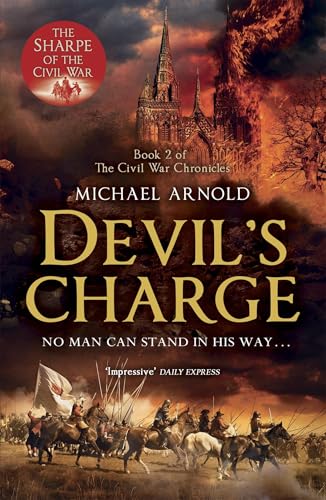
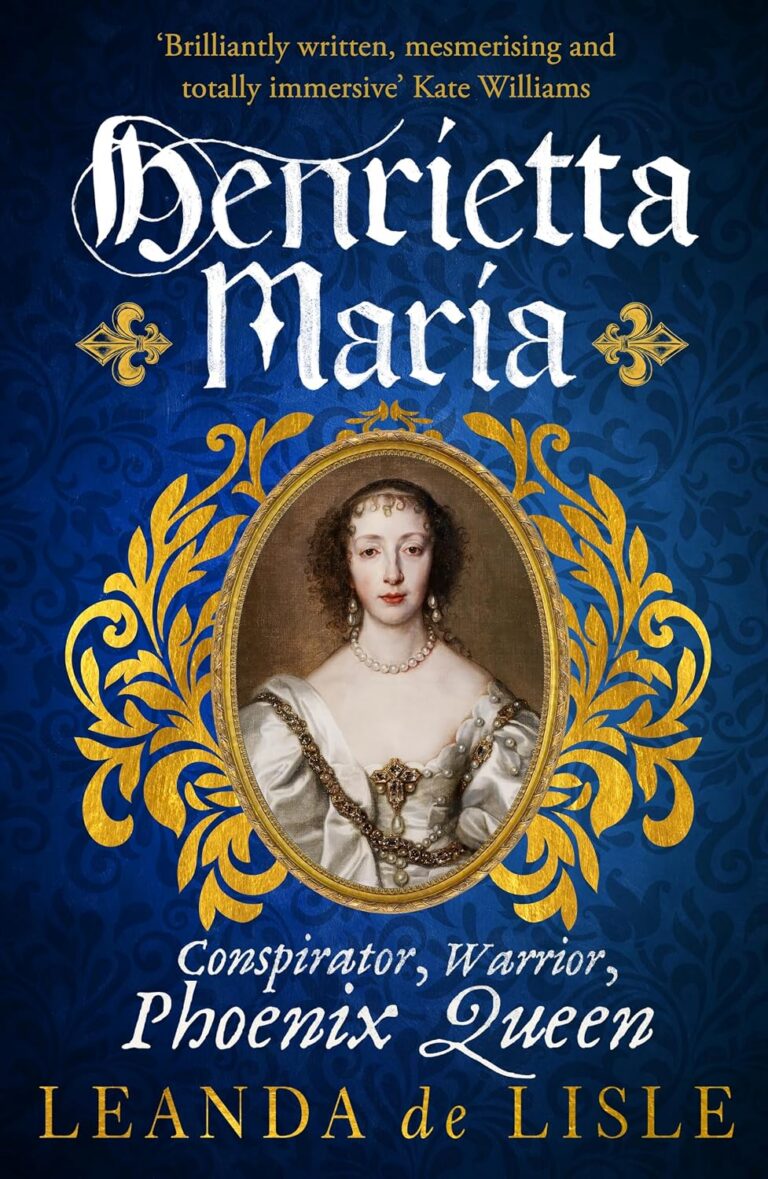
Jean Plaidy’s Myself, My Enemy follows Henrietta Maria from the French marriage alliance that makes her Charles I’s queen into the religious and political strains of their English court. Michael Arnold’s Devil’s Charge places Captain Stryker alongside an intelligence agent serving the queen during the Civil War, making Henrietta Maria’s royalist network part of the military plot. Christopher Nicole’s Sword of the Devil sends its hero on a mission connected directly with preserving her life. Leanda de Lisle’s Henrietta Maria reassesses the queen as a political partner, patron and Catholic consort rather than merely a disruptive foreign influence, while White King integrates her fundraising, diplomacy and wartime advocacy into a wider reconsideration of Charles I’s monarchy.