Douglas MacArthur was an American general who commanded in the Pacific and later led United Nations forces in Korea. After withdrawing from the Philippines in 1942, he returned during the Allied advance, supervised the occupation of Japan and was dismissed by President Truman after publicly challenging Korean War policy.
MacArthur had already held senior commands in the First World War and served as chief of staff of the United States Army before becoming military adviser to the Philippine Commonwealth. After Japan's surrender in 1945 he exercised sweeping authority during the occupation of Japan, overseeing demobilisation and political reform. His later command in Korea ended in 1951 when President Truman dismissed him after repeated public disagreement over the limits of the war.
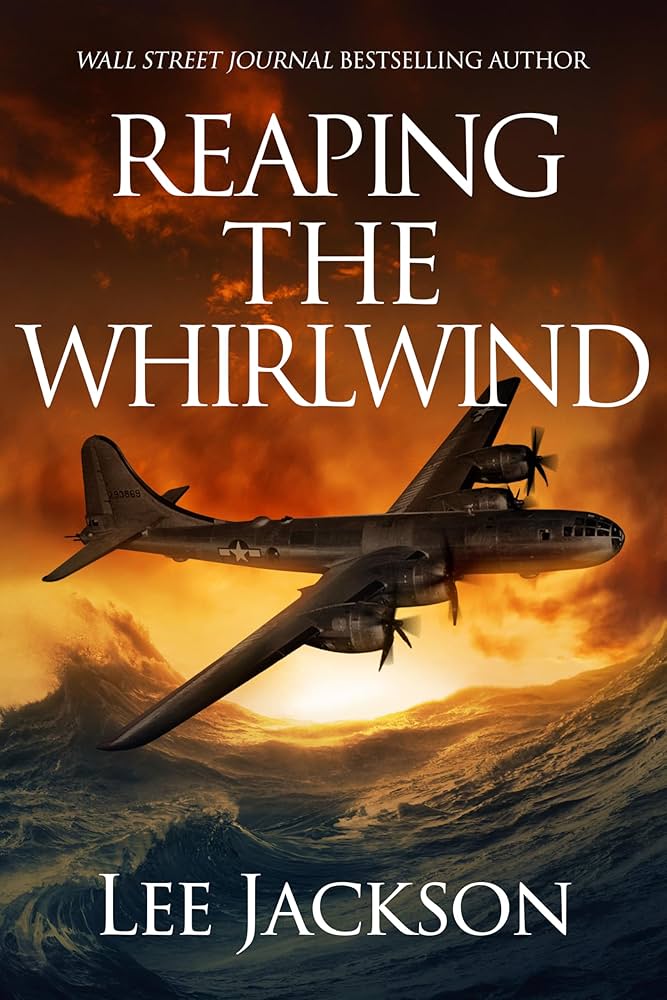
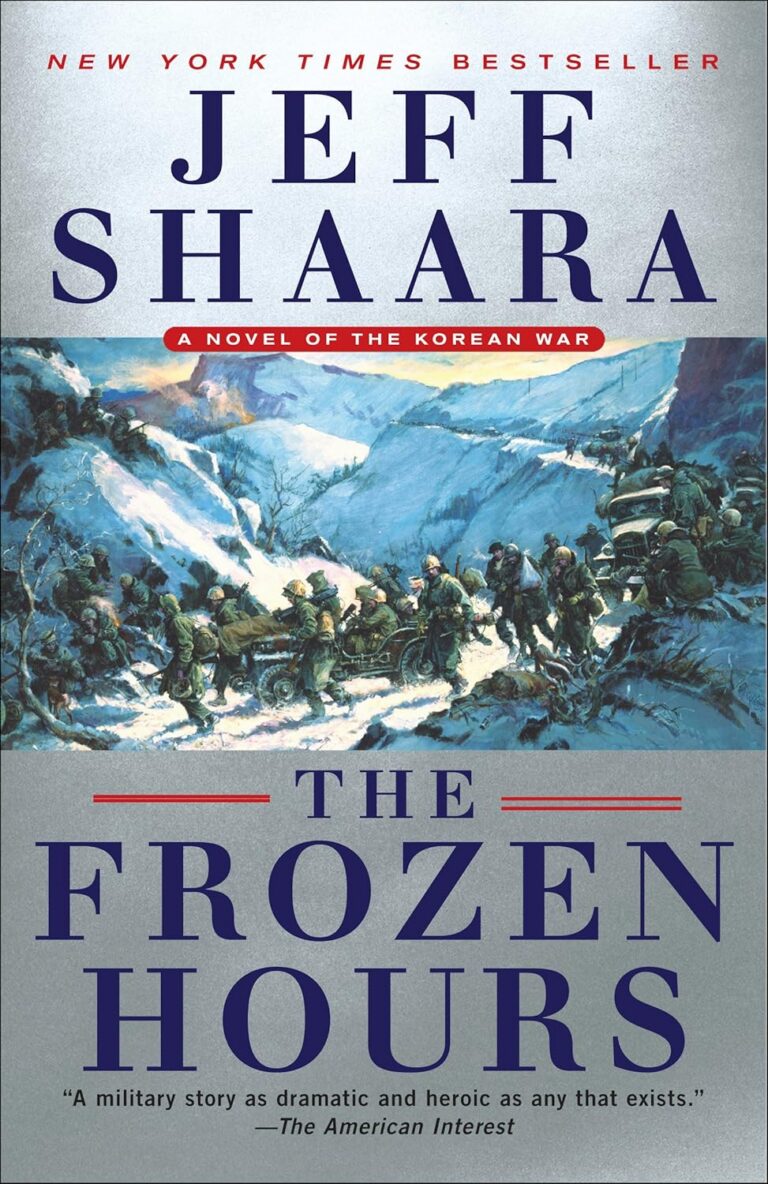
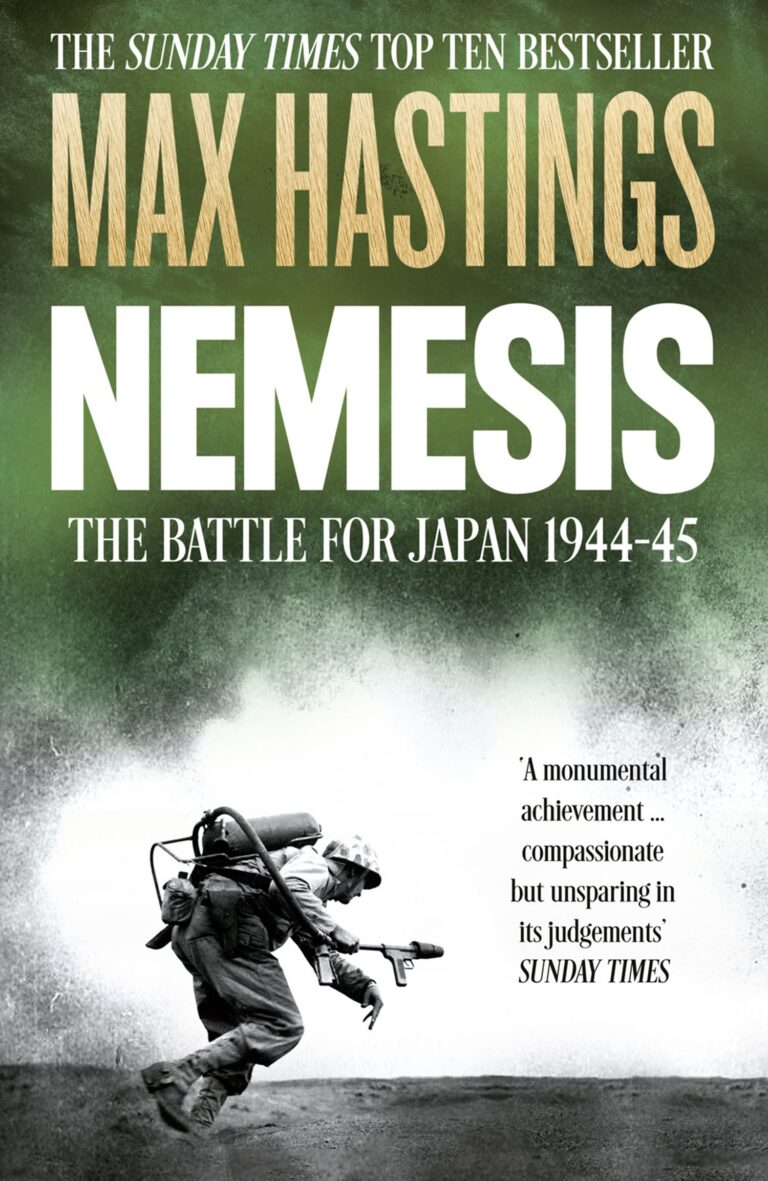
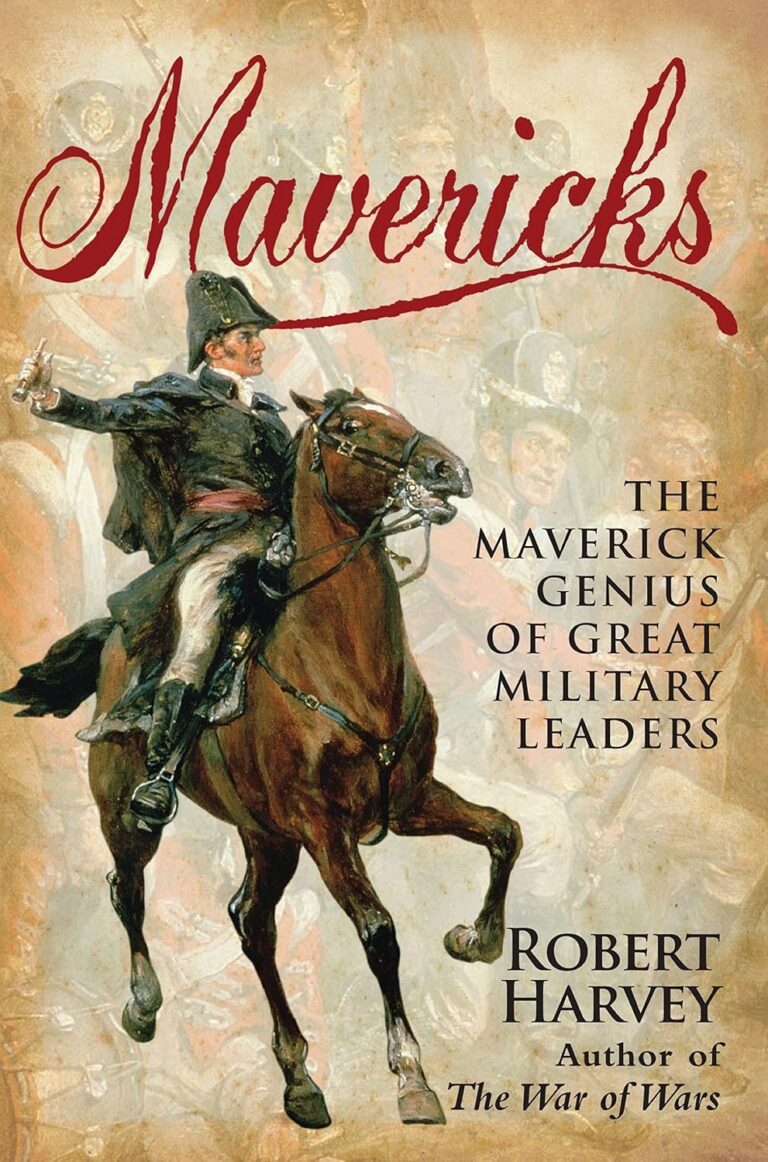
David Healey’s Jungle Sniper shows Douglas MacArthur coming ashore at Leyte while Japanese fire continues, turning the general’s famous return to the Philippines into part of Deacon Cole’s immediate battlefield experience. Lee Jackson’s Reaping the Whirlwind places a fictional officer on MacArthur’s staff as planners weigh the expected cost of invading Japan. Jeff Shaara’s The Frozen Hours moves to Korea, where MacArthur’s confidence that China will not intervene becomes one of the assumptions shattered by the Chinese offensive. Robert Harvey’s Mavericks studies MacArthur through Inchon as an example of audacious command. Max Hastings’s Nemesis places him among the Allied leaders directing the final Pacific campaigns while examining Japanese resistance and the political choices surrounding the war’s end.