Cetshwayo kaMpande was king of the Zulu kingdom during the Anglo-Zulu War of 1879. He had strengthened royal authority and the regimental system before Britain issued demands designed to provoke conflict. Zulu forces destroyed a British column at Isandlwana, but the kingdom was defeated after further campaigning and the Battle of Ulundi.
Cetshwayo was captured, later permitted to return to part of Zululand, and died amid continuing civil conflict. His presence is essential to stories of Isandlwana and Ulundi because it prevents the war from becoming merely a tale of British defeat and recovery.
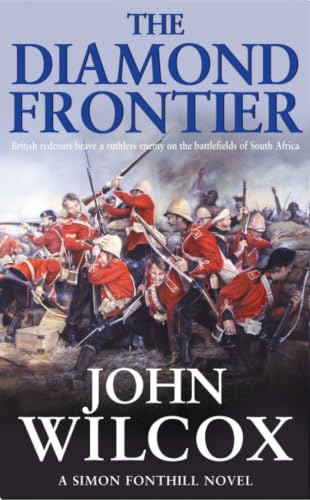
Ian Knight’s Zulu Rising reconstructs the 1879 invasion from both sides and places Cetshwayo at the head of an independent Zulu kingdom trying to respond to British demands without surrendering the political order he had inherited. G. A. Henty’s The Young Colonists brings Cetshwayo into a fictional ground-level account of the Anglo-Zulu War and its immediate aftermath. John Wilcox’s The Horns of the Buffalo follows British scouts through Isandlwana and Rorke’s Drift while the campaign they enter is driven by the decision to invade Cetshwayo’s kingdom. H. Rider Haggard’s Finished returns Allan Quatermain to Zululand as diplomacy collapses into the war that destroys Cetshwayo’s power. Ian Knight’s The Anatomy of the Zulu Army supplies the institutional background, explaining the age-regiment system, royal authority and military organisation through which Cetshwayo could mobilise the force that confronted the British invasion.