The Plantagenet and Tudor Novels in Order
The Plantagenet and Tudor novels form a chronological sequence of connected but independently readable stories about women near the English throne. They move from the Lancastrian court and the Wars of the Roses through the rise of the Tudors, Henry VIII’s marriages, the mid-Tudor religious crisis and the…
All books in this series

1. Royal Witch

2. The Lady of the Rivers
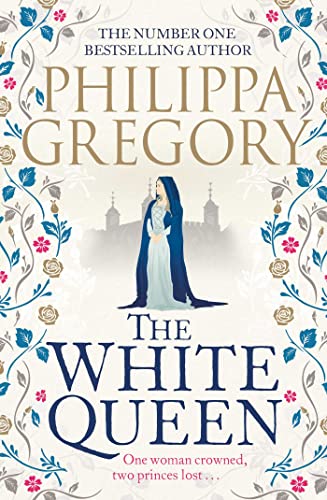
3. The White Queen
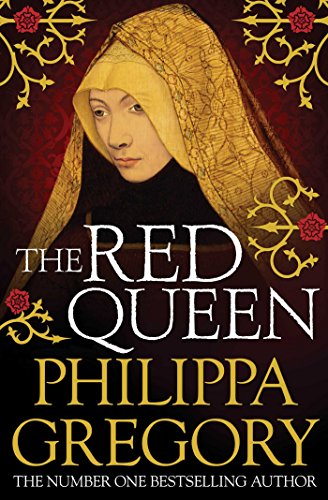
4. The Red Queen

5. The Kingmaker’s Daughter

6. The White Princess
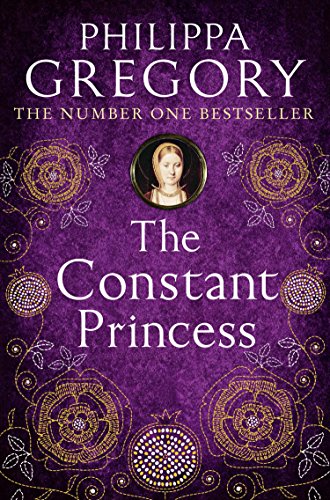
7. The Constant Princess

8. The King’s Curse
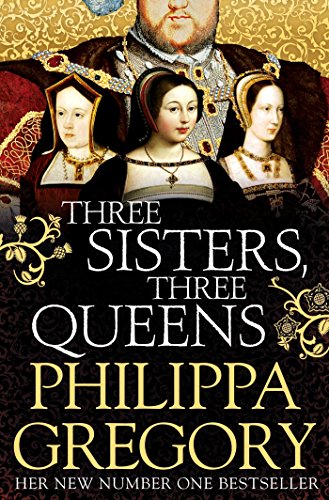
9. Three Sisters, Three Queens
10. The Other Boleyn Girl
11. The Boleyn Inheritance
12. The Taming of the Queen
13. The Queen’s Fool
14. The Virgin’s Lover

15. The Last Tudor