Agamemnon was the king of Mycenae, brother of Menelaus and commander of the Greek coalition during the Trojan War. As the most powerful of the Greek rulers, he represents political authority and military leadership, but also pride, ambition and the abuse of power.
Ancient literature connects Agamemnon’s leadership at Troy with the violence of the House of Atreus. In the Iliad , he is an effective but frequently arrogant commander whose quarrel with Achilles places personal status above the survival of his army. Later traditions describe how he sacrifices his daughter Iphigenia at Aulis so that the Greek fleet can sail to Troy.
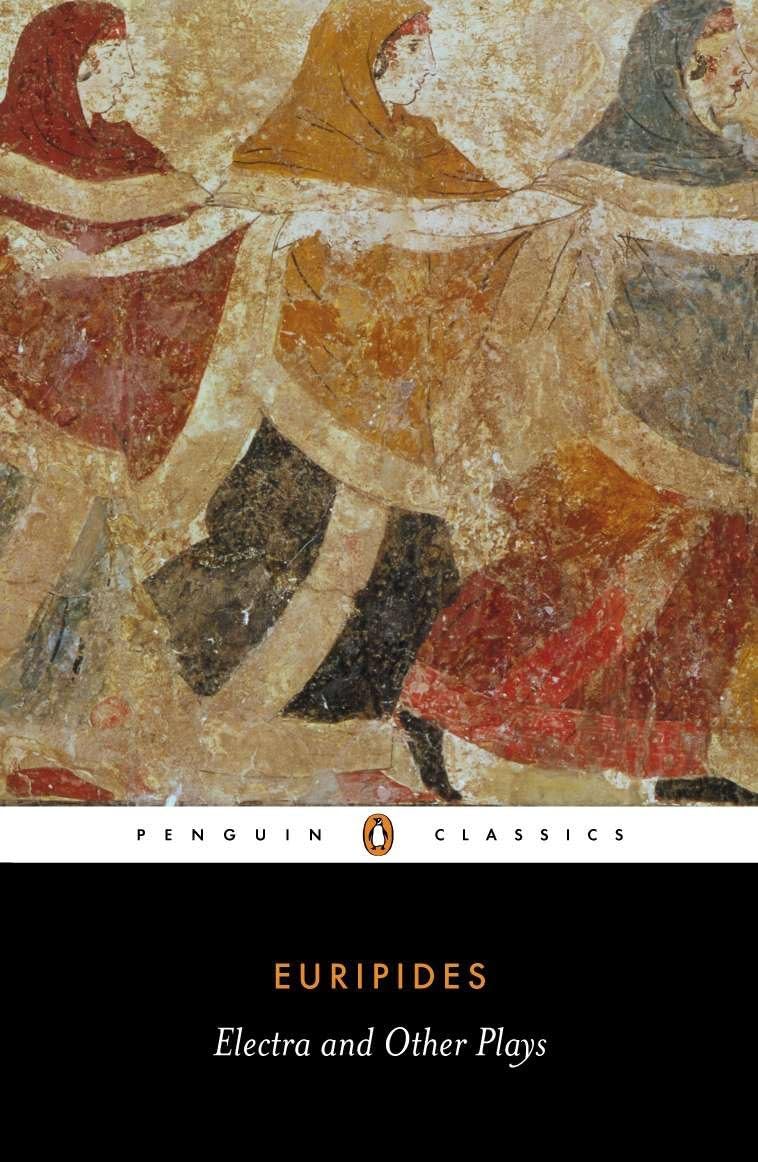
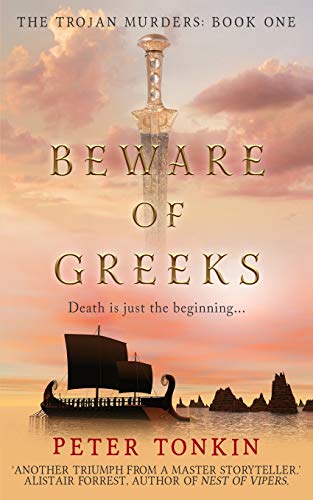
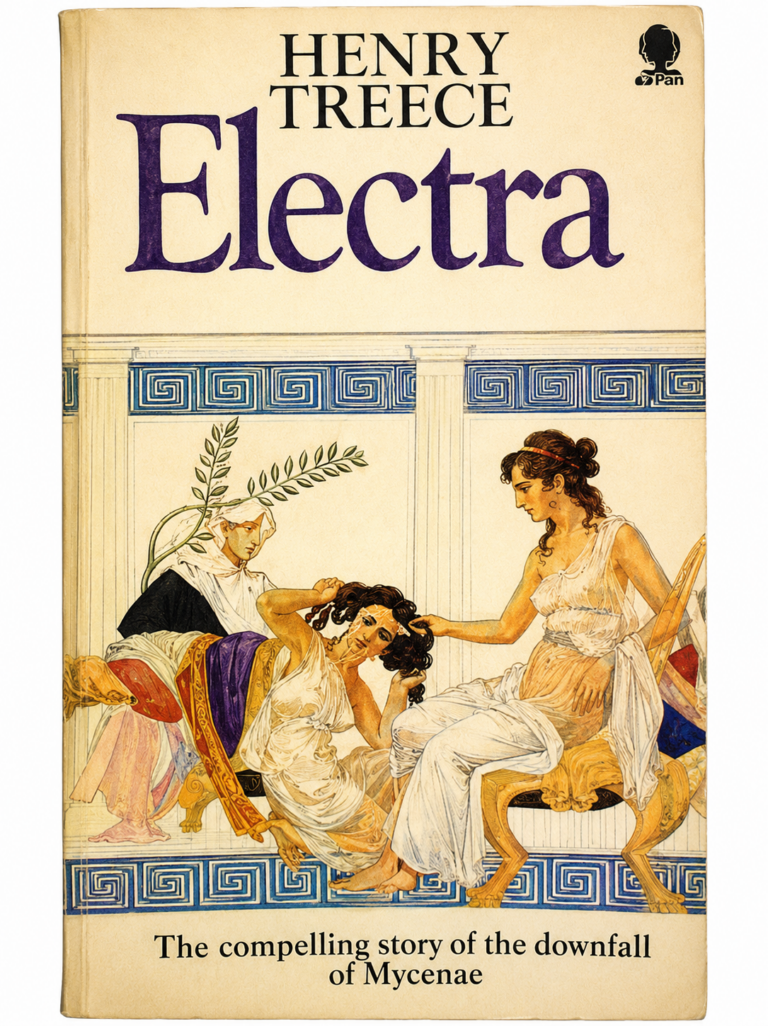
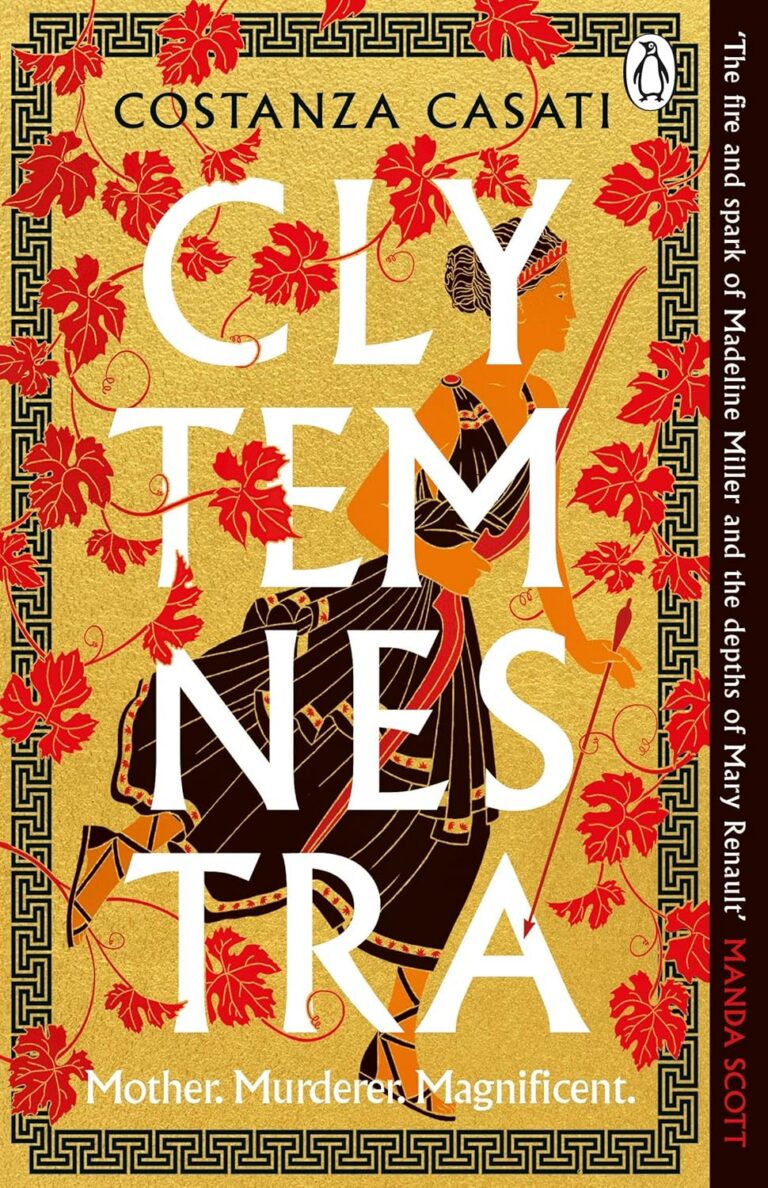
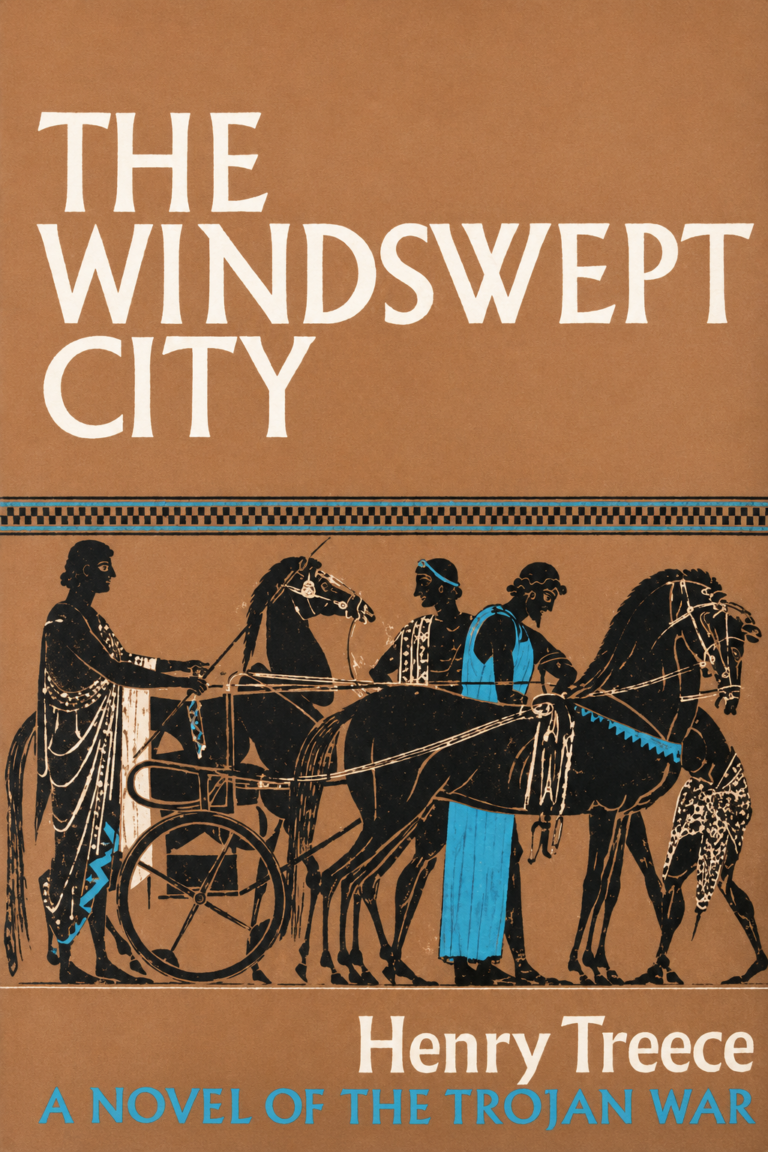
Peter Tonkin’s Beware of Greeks shows Agamemnon’s agents and allies moving through the Greek kingdoms to gather ships and warriors for the expedition against Troy. Costanza Casati’s Clytemnestra and Susan C. Wilson’s Clytemnestra’s Bind present him from his wife’s perspective as the conqueror who destroys her first family, forces the marriage and later sacrifices Iphigenia before sailing to war. Henry Treece’s Electra and Euripides’ Electra and Other Plays deal with the consequences of his return: Agamemnon’s murder by Clytemnestra and Aegisthus becomes the crime that drives Electra and Orestes towards vengeance.