c. 5th century–453
Attila was ruler of the Huns in the mid-fifth century and one of the most formidable opponents of the late Roman Empire. His campaigns across the Balkans, Gaul and northern Italy placed enormous pressure on both eastern and western Roman governments.
Attila first ruled jointly with his brother Bleda from 434 and became sole ruler of the Hunnic confederation after Bleda’s death. He repeatedly forced the Eastern Roman Empire to negotiate and pay tribute, while his western campaigns brought him into direct conflict with the coalition led by Aëtius in Gaul in 451 and with Italy in 452. His sudden death in 453 was followed by struggles among his sons and subject peoples, and the political confederation he had dominated fragmented rapidly thereafter.
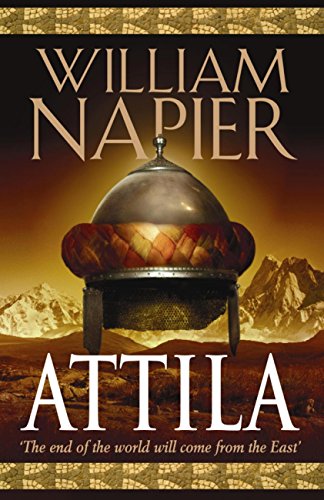
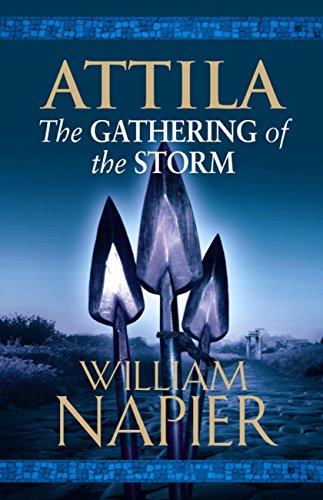
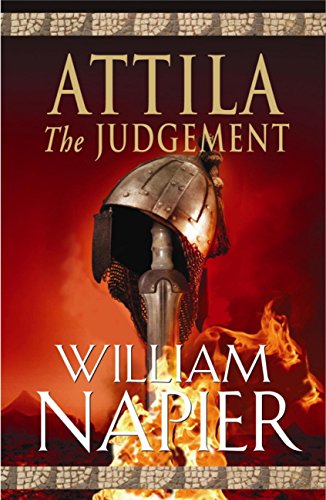
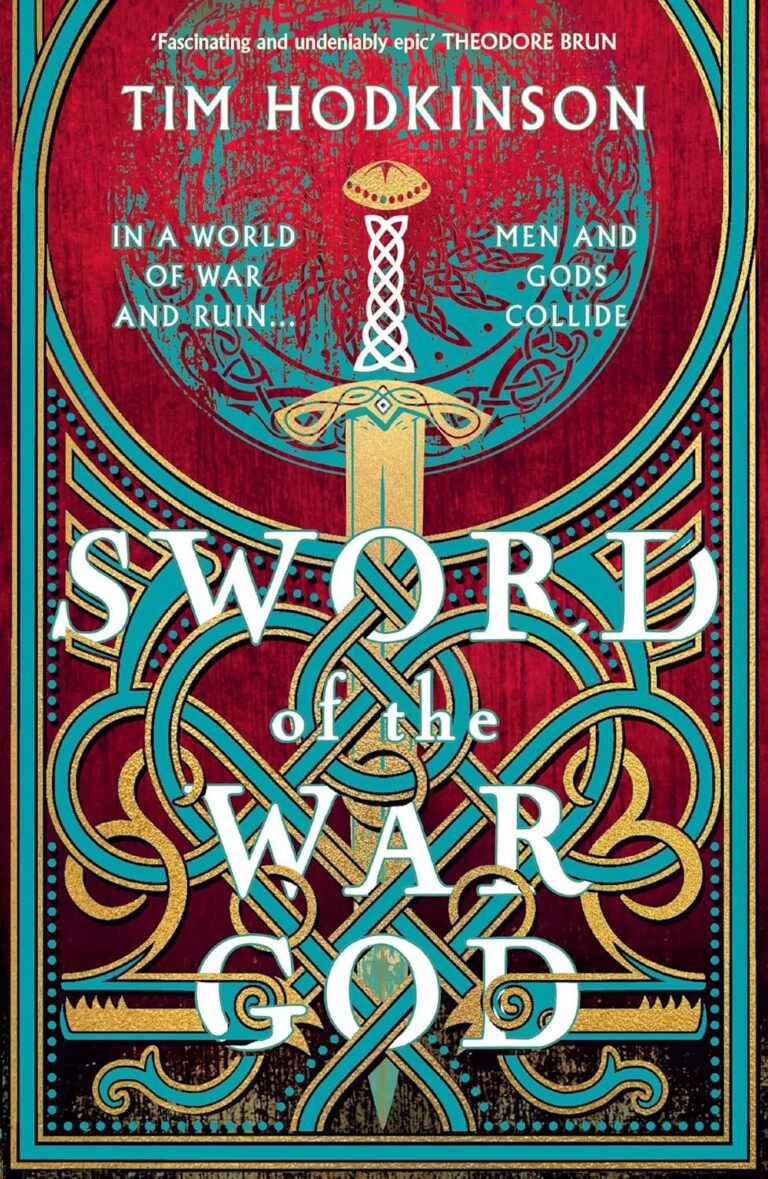
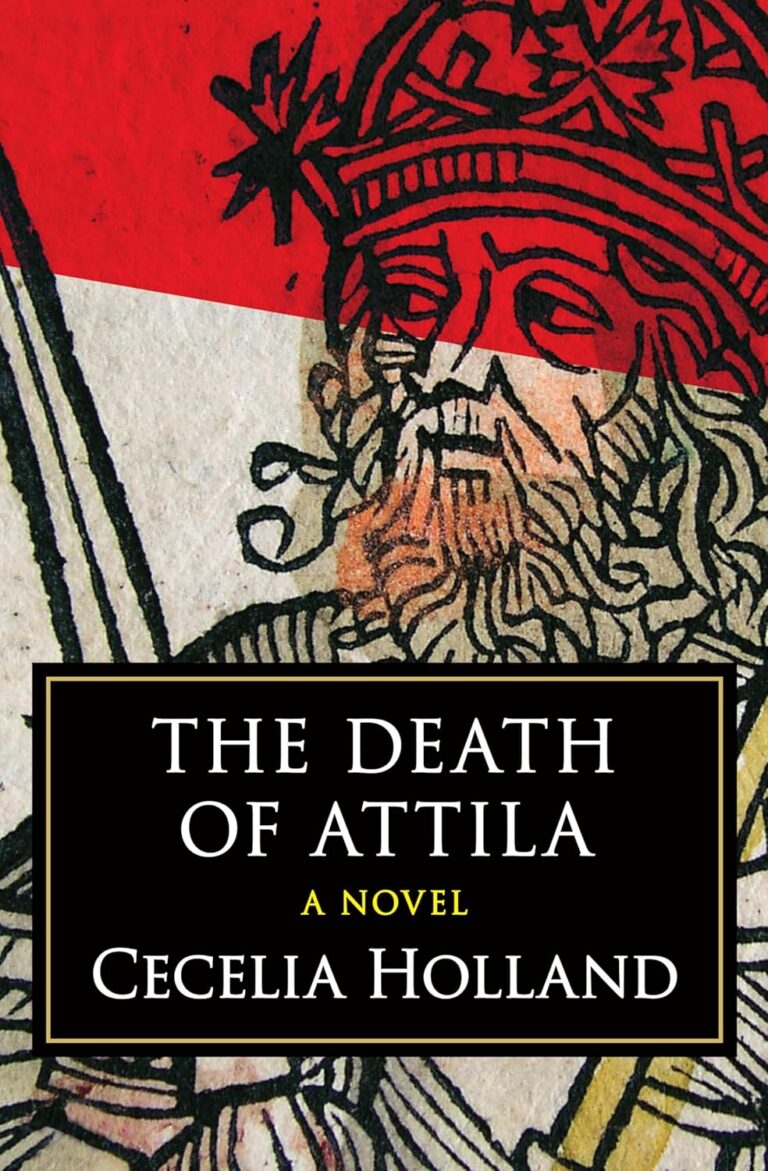
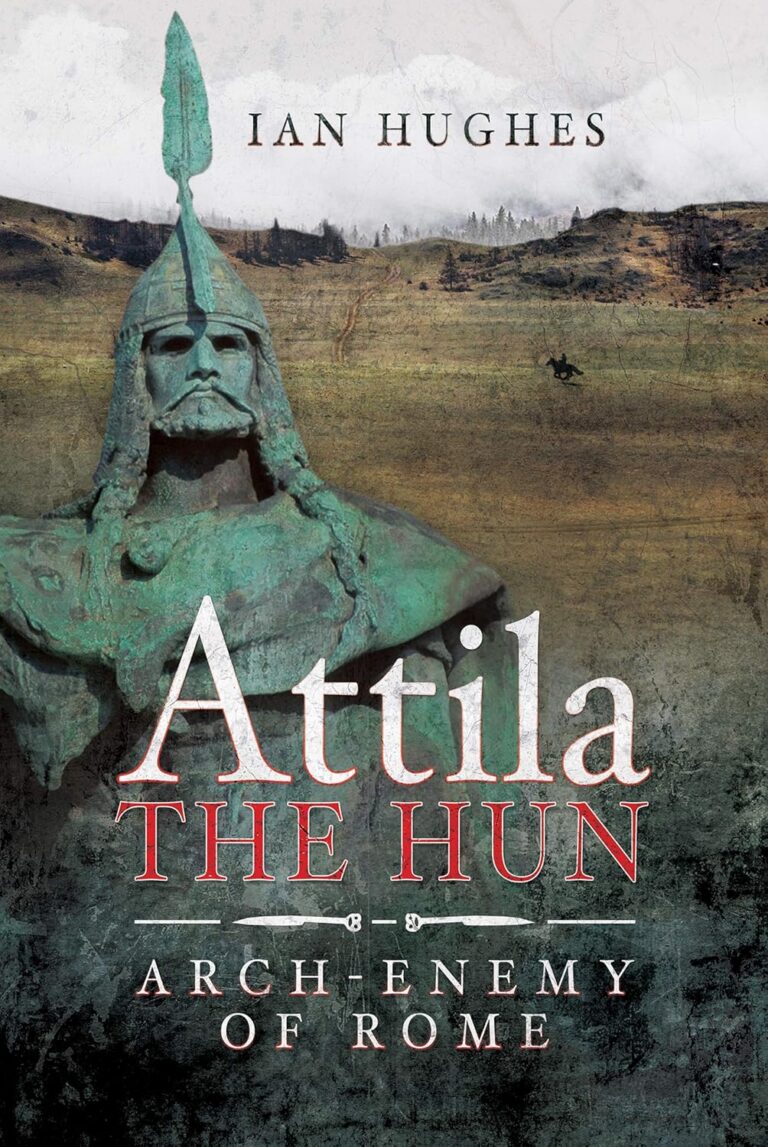
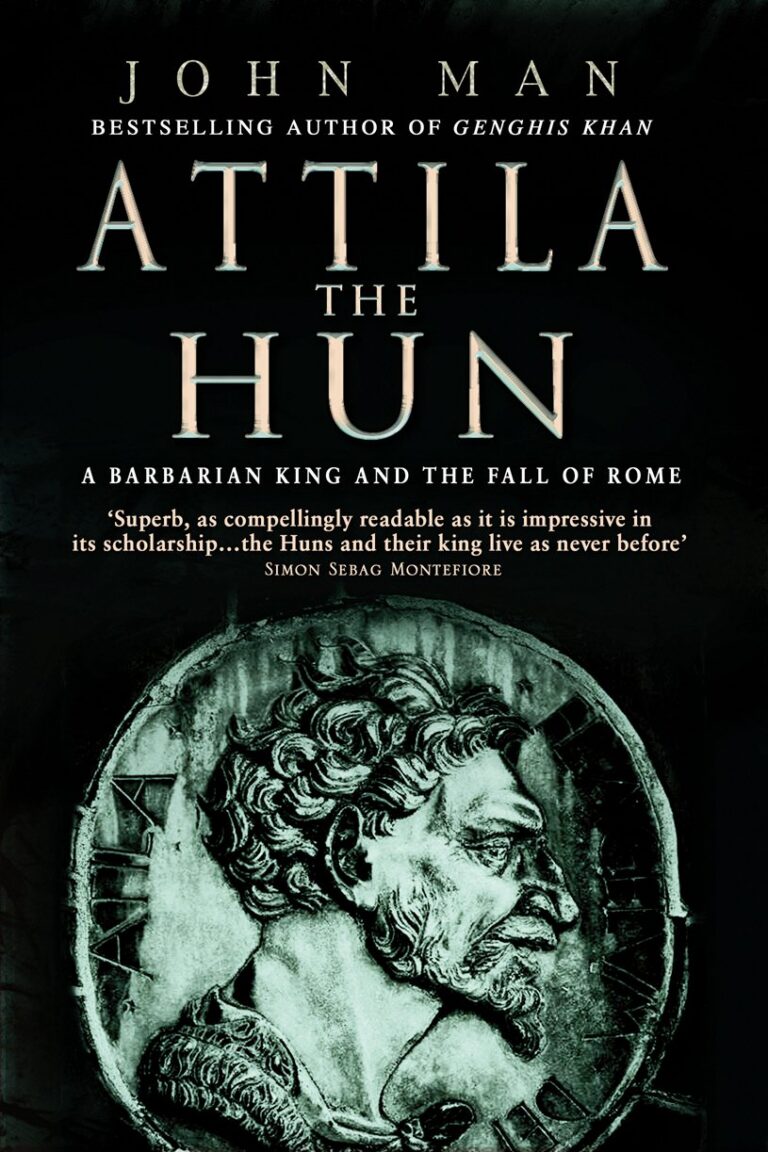
William Napier’s Attila: The Scourge of God, Attila: The Gathering of the Storm and Attila: The Judgement trace Attila from the Hunnic world into the campaigns that brought him against the Western Roman Empire and Aëtius. Tim Hodkinson’s Sword of the War God places his search for a legendary weapon inside the approach to the Catalaunian Plains, while Cecelia Holland’s The Death of Attila turns to the unstable confederation left behind when he dies in 453. Ian Hughes’s Attila the Hun examines the ruler behind those fictional versions, reconstructing his diplomacy, use of tribute, invasions of Roman territory and the coalition of peoples whose loyalty depended heavily on his personal authority.