John II of France, known as John the Good, ruled from 1350 to 1364 during the Hundred Years’ War. His capture by the English at Poitiers in 1356 caused a major crisis for the French monarchy and kingdom.
John II of France also held the offices or ranks of count of Auvergne, King of France, Duke of Normandy, and count of Anjou. John II of France belonged to the House of Valois and operated within Kingdom of France. John II of France was born in Le Mans and died in London.
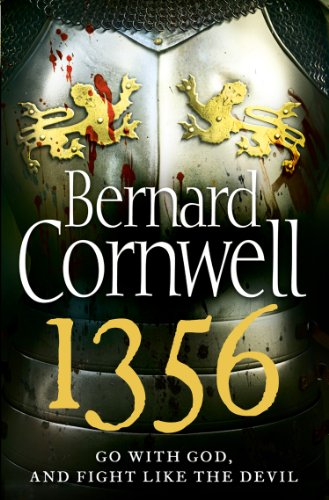
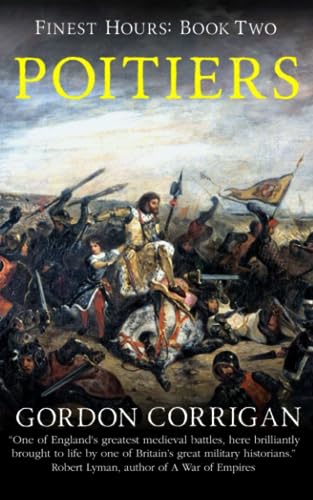
Bernard Cornwell’s 1356 places John II at the head of the larger French army that traps the Black Prince near Poitiers and forces the campaign towards a decisive battle. Michael Jecks’ Blood of the Innocents follows the same 1356 chevauchée from the soldiers’ level as John gathers forces to intercept the English. Gordon Corrigan’s Poitiers reconstructs the battle itself, including the king’s personal commitment to the fighting and his eventual capture. Ashes of Rebellion moves to 1358, when John remains an English prisoner and his absence helps create the political vacuum in which the Dauphin, Étienne Marcel, Charles of Navarre and rural rebels compete for power. Jonathan Lunn’s Kemp: The Road to Poitiers returns to the approach to battle, making John’s pursuing army the force that finally prevents the Black Prince’s raiders from escaping to safety.