André Masséna rose from modest origins in Nice to become one of Napoleon’s most capable marshals. He distinguished himself in the Revolutionary campaigns in Italy and Switzerland, won a crucial victory at Zürich in 1799 and later fought in Austria and Italy. His reputation suffered during the 1810 invasion of Portugal, when Wellington’s defensive Lines of Torres Vedras forced the French army to retreat after severe losses, hunger and breakdowns in discipline.
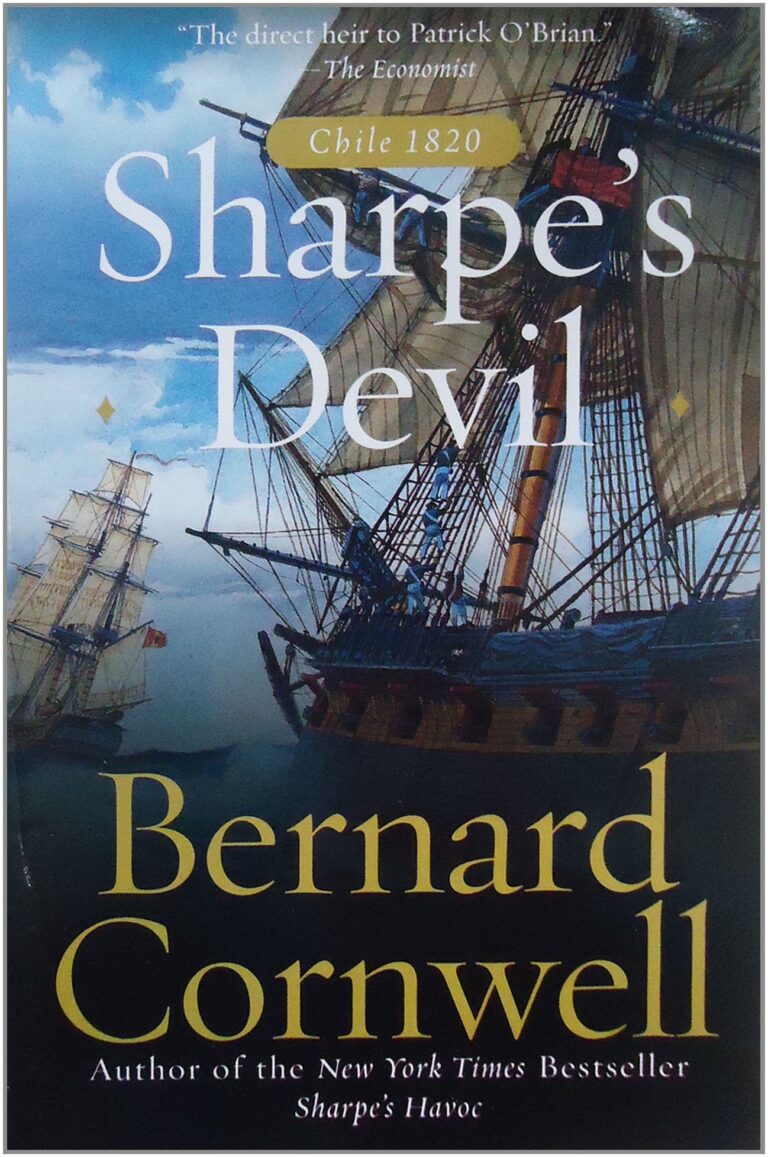
Masséna appears in many novels of the Peninsular War, commonly as the experienced but frustrated commander confronting Wellington. Bernard Cornwell’s Sharpe’s Escape places Richard Sharpe within the French invasion of Portugal and the retreat from the Lines of Torres Vedras, with Masséna’s campaign shaping the plot. Fiction often contrasts his genuine operational ability with ill health, quarrels among his subordinates and the logistical impossibility of sustaining Napoleon’s army in devastated territory.
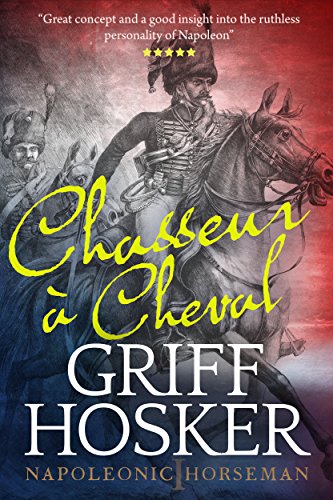
Griff Hosker’s Chasseur À Cheval places André Masséna within a narrative shaped by family, marriage and personal loyalty and military command and battlefield decision-making. Griff Hosker’s 1808 places André Masséna within a narrative shaped by military command and battlefield decision-making and crime, espionage and covert power. Other novels featuring André Masséna include Griff Hosker’s Bloody Badajoz, Griff Hosker’s British Light Dragoon, Griff Hosker’s Napoleon’s Guard, Griff Hosker’s Soldier Spy (the Napoleonic Horseman Book 4), and Griff Hosker’s Talavera.