Charles de Gaulle was a French army officer, wartime leader and statesman who became the principal political symbol of Free France after the collapse of 1940. A veteran of the First World War who had been wounded and captured at Verdun, he later wrote about military reform and mechanised warfare. As a junior general and government minister in June 1940, he rejected the armistice with Germany, went to London and used his 18 June appeal to rally continued French resistance.
De Gaulle led the Free French movement and later headed the provisional government after liberation, but resigned in 1946 amid disputes over constitutional arrangements. Recalled during the Algerian crisis of 1958, he founded the Fifth Republic and became its first president, strengthening executive authority. His government accepted Algerian independence, pursued an independent nuclear deterrent and asserted a distinctive French role within the Western alliance. After losing a constitutional referendum, de Gaulle resigned in 1969 and died the following year.
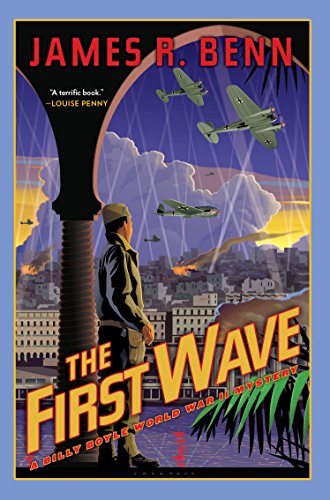
Frederick Forsyth’s The Day of the Jackal makes Charles de Gaulle the intended victim of an OAS assassination plot rooted in fury over Algerian independence. James R. Benn’s The First Wave places de Gaulle’s Free French movement among the rival Allied and Vichy interests surrounding Operation Torch, while Jean Lartéguy’s The Praetorians brings him back into the May 1958 crisis that returned him to power. Alex Gerlis’s Agent in the Shadows uses de Gaulle, Jean Moulin and Klaus Barbie as the historical framework for a fictional investigation into betrayal inside the Resistance. David Boyle’s V for Victory follows de Gaulle’s part in popularising the V-sign as a symbol of resistance alongside Winston Churchill and the BBC’s wartime campaign.