Philip VI was the first Valois king of France, ruling from 1328 to 1350. His accession was disputed by Edward III of England, helping set the dynastic framework for the Hundred Years’ War.
Philip VI of France also held the offices or ranks of duke, King of France, and count of Anjou. Philip VI of France belonged to the House of Valois. Philip VI of France was born in Fontainebleau and died in Reims.
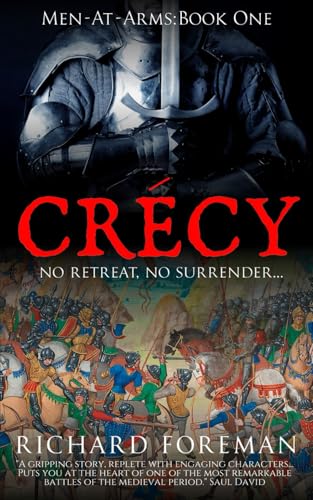
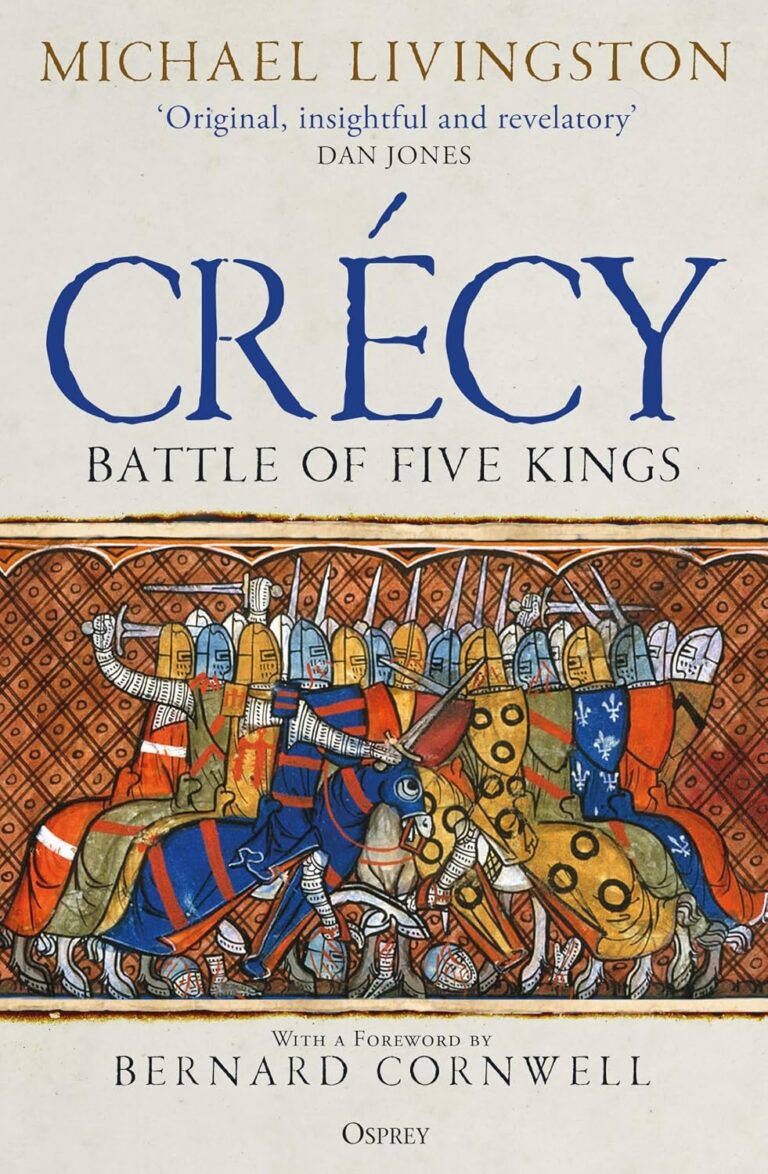
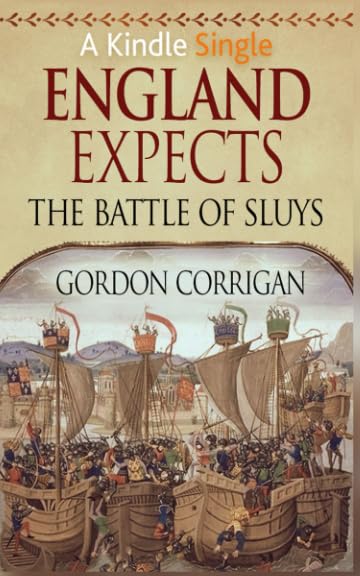
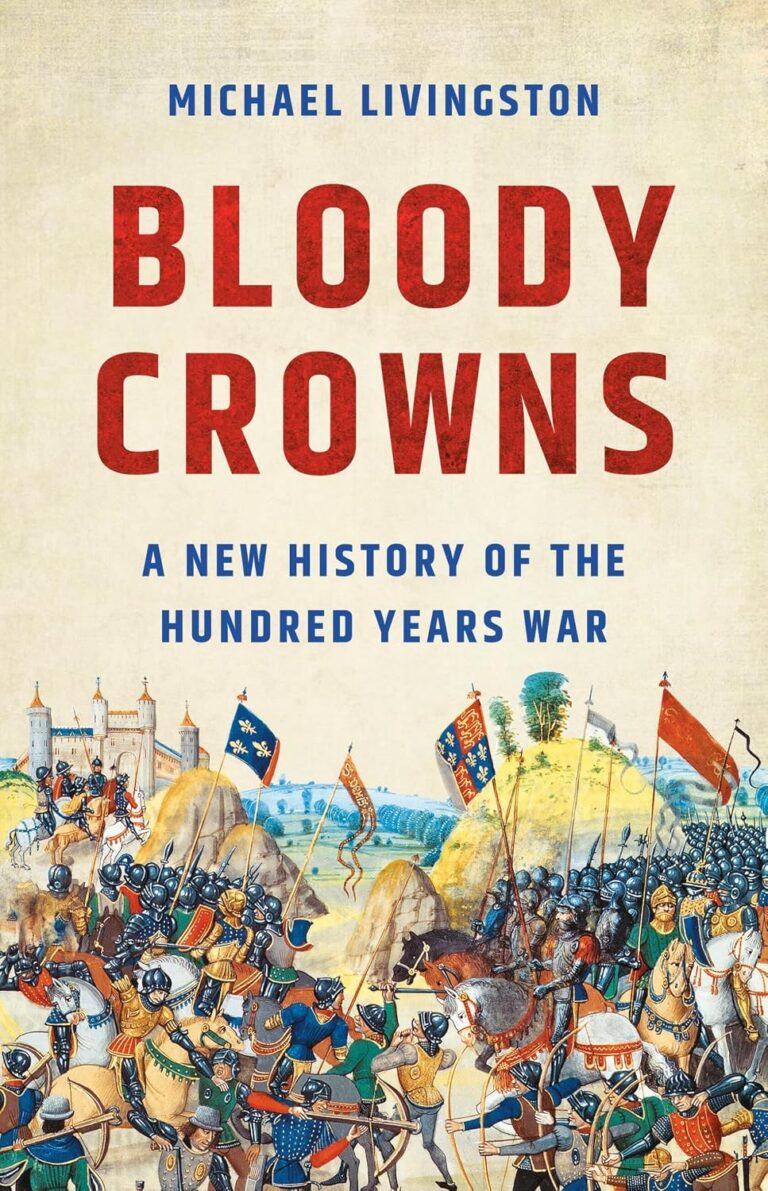
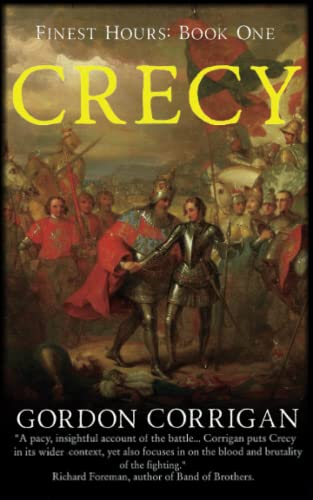
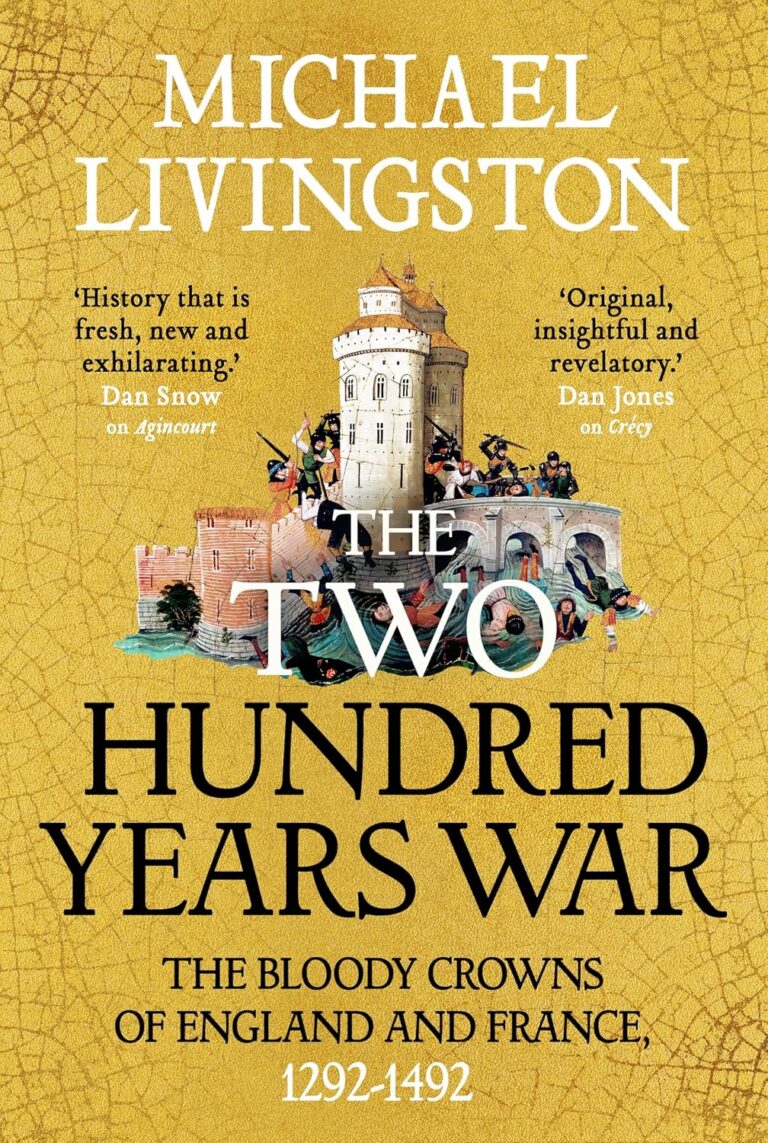
In Richard Foreman’s Crécy, Edward III’s 1346 campaign has brought the English army deep into France and forced it to give battle against superior numbers. Sixteen-year-old Edward of Woodstock commands the vanguard and must earn the military reputation later attached to the Black Prince. Michael Livingston’s Bloody Crowns argues that an English-centred account of 1337–1453 obscures a larger struggle over France and the political order of western Europe, beginning his narrative in 1292 and carrying it through two centuries of warfare involving England, France, Burgundy, Brittany, Flanders, Scotland and other powers. Crécy, Poitiers, Agincourt and Orléans appear alongside dynastic claims, diplomacy, taxation and military reform, with the story continuing to 1492 as Brittany’s absorption and the Treaty of Étaples help establish more recognisable French and English states. Further fictional perspectives on Philip VI of France can be found in Michael Jecks’ Fields of Glory. For broader historical treatment of Philip VI of France, see Gordon Corrigan’s England Expects and Michael Livingston’s The Two Hundred Years War.