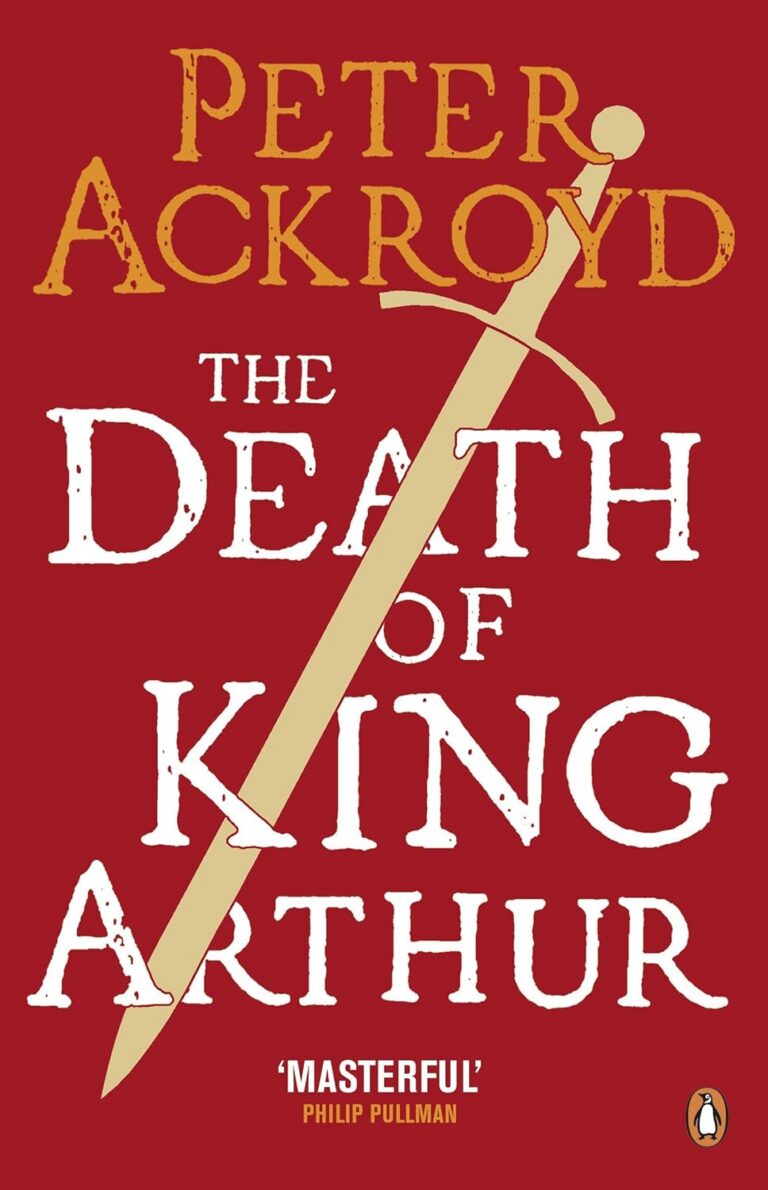
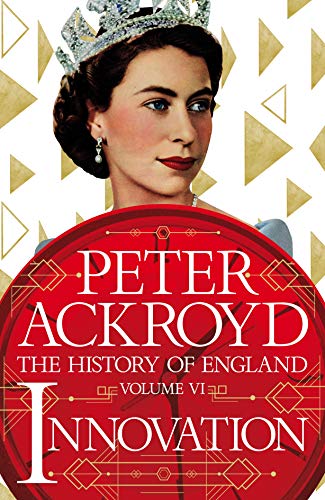
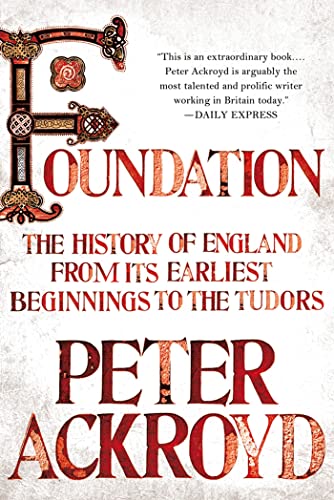
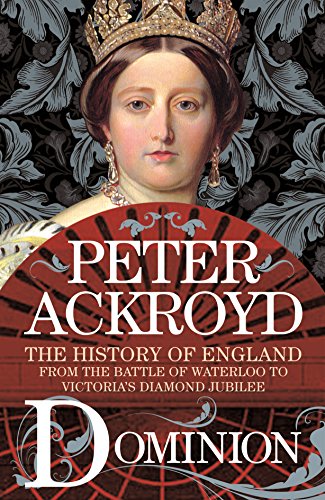
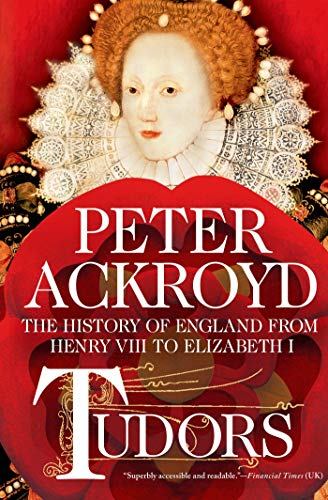
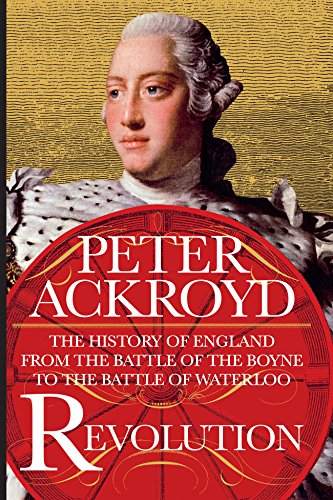
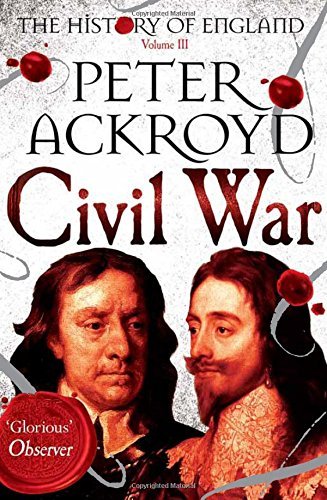
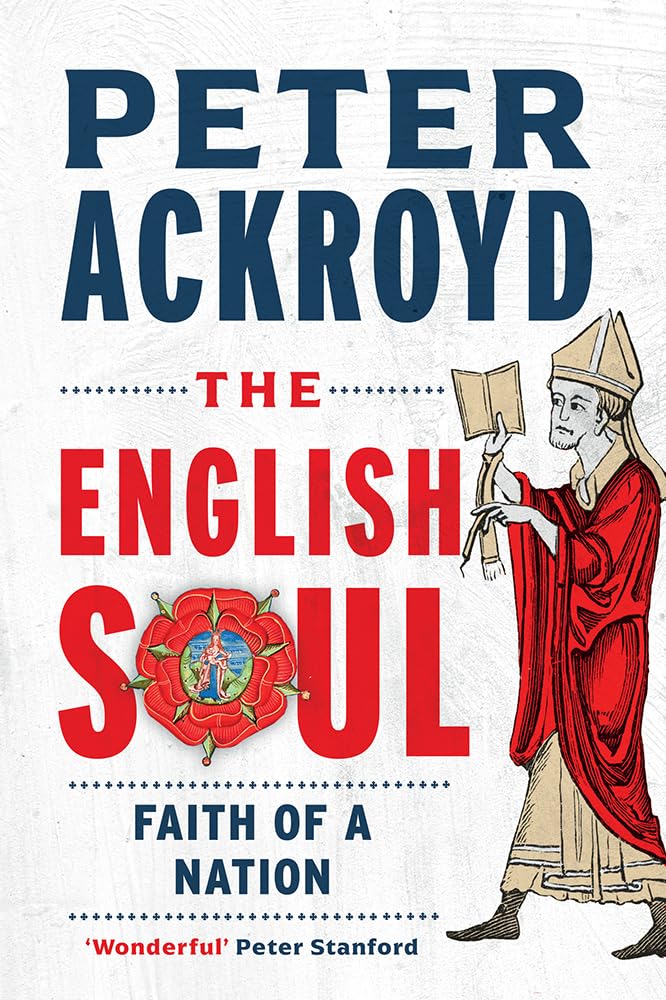
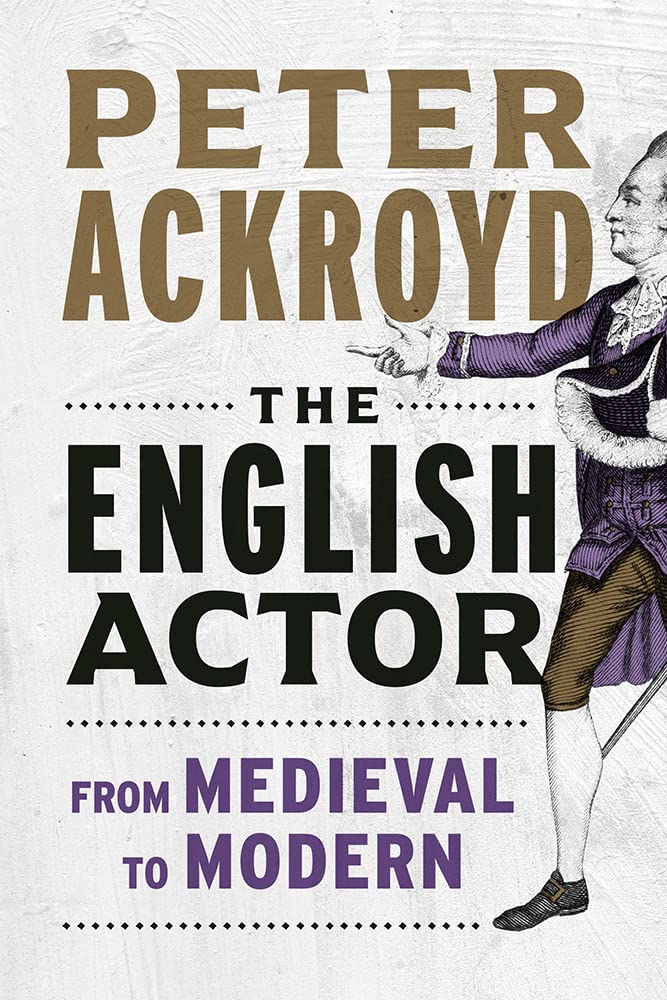
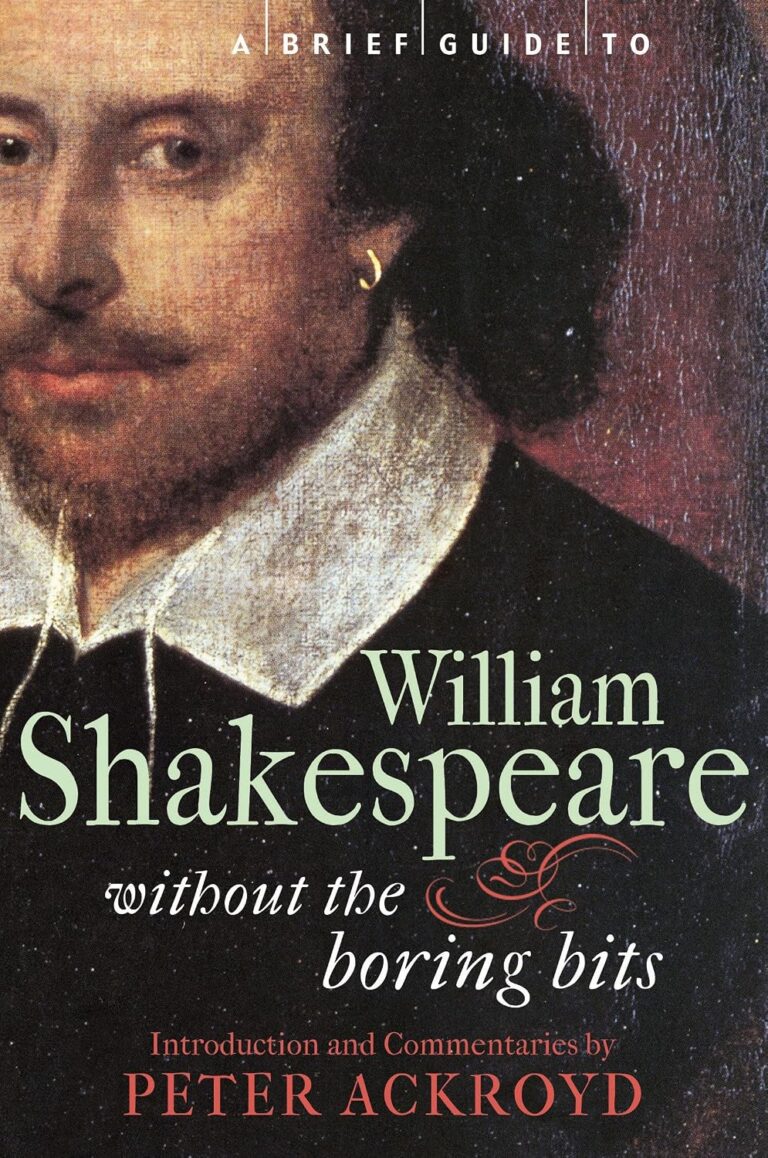
Peter Ackroyd (born 1949) is an English novelist, biographer and historian whose work is closely associated with London and the idea that places retain traces of their past. He began his career as a poet, critic and literary editor before gaining recognition for biographies of figures including Charles Dickens, William Blake, Thomas More, Shakespeare and Geoffrey Chaucer. His major non-fiction works include London: The Biography, Thames: Sacred River, Albion: The Origins of the English Imagination and the multi-volume History of England. Across these books, Ackroyd combines social, cultural and literary history, often treating cities and landscapes almost as living personalities.
Much of Ackroyd’s fiction is historical, although it frequently introduces supernatural, metafictional or time-shifting elements. Hawksmoor connects eighteenth-century church building with a modern murder investigation, while Chatterton explores the life and afterlife of the eighteenth-century poet Thomas Chatterton. The House of Doctor Dee centres on the Elizabethan scholar and occultist John Dee; Dan Leno and the Limehouse Golem recreates the music halls and murders of Victorian London; and The Casebook of Victor Frankenstein places Mary Shelley, Percy Bysshe Shelley and Frankenstein’s fictional creator within the same narrative. Other historical novels include The Last Testament of Oscar Wilde, Milton in America, The Clerkenwell Tales and The Lambs of London. His fiction is distinguished by its fascination with historical recurrence, disputed identities and the continuing presence of the past within modern London.

 Mary Stewart
20 books
Mary Stewart
20 books
 Marion Zimmer Bradley
8 books
Marion Zimmer Bradley
8 books
 Gillian Bradshaw
20 books
Gillian Bradshaw
20 books
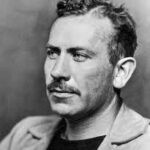 John Steinbeck
13 books
John Steinbeck
13 books
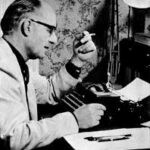 Henry Treece
35 books
Henry Treece
35 books