Elizabeth of York was the eldest daughter of Edward IV and Elizabeth Woodville and became queen through her marriage to Henry VII. The union joined the rival houses of York and Lancaster after the Wars of the Roses and produced the Tudor heirs Arthur, Margaret, Henry and Mary.
Elizabeth had little formal political authority but occupied a crucial dynastic position. She died in 1503 following childbirth, and contemporary accounts record Henry’s genuine grief. Elizabeth of York was born in Palace of Westminster and died in Tower of London.
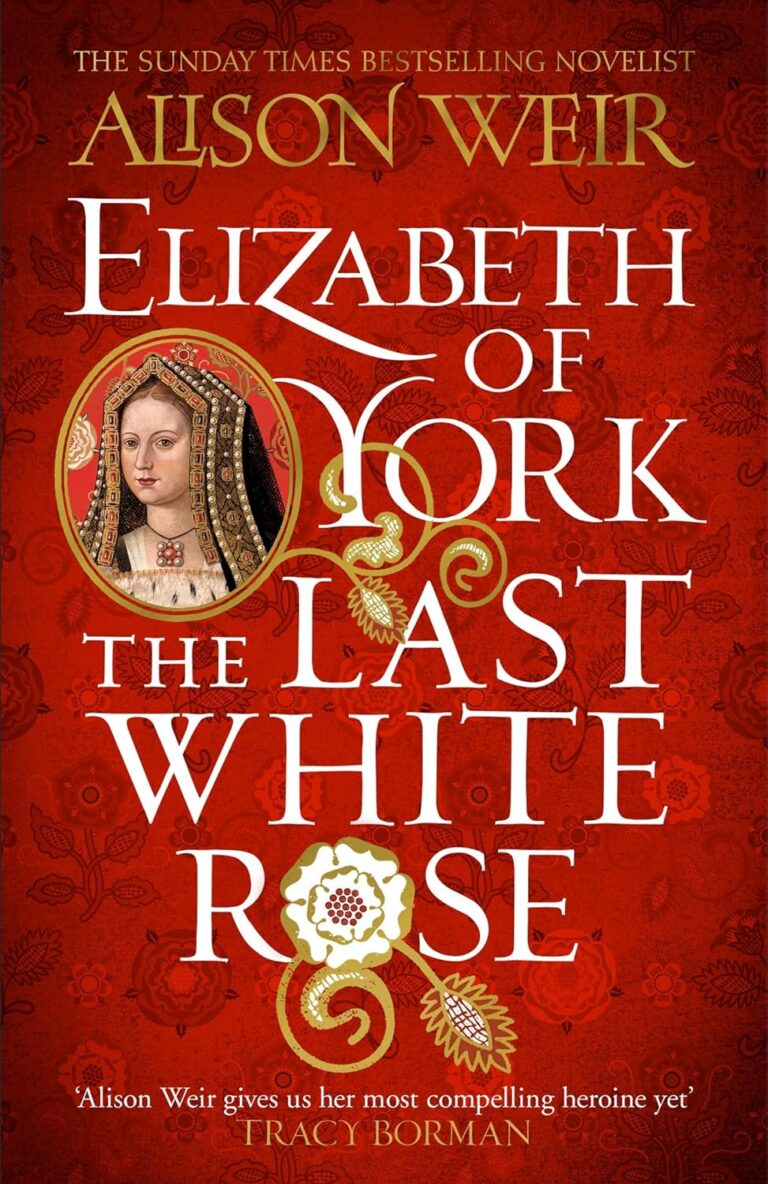
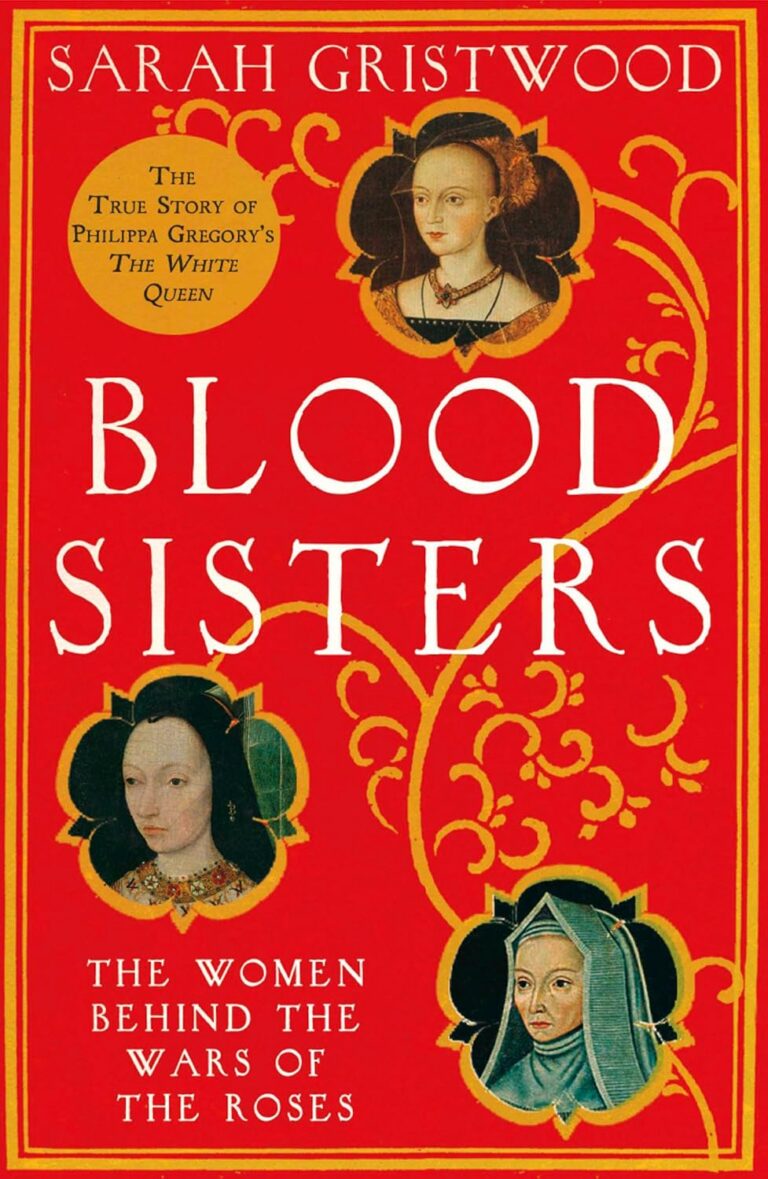
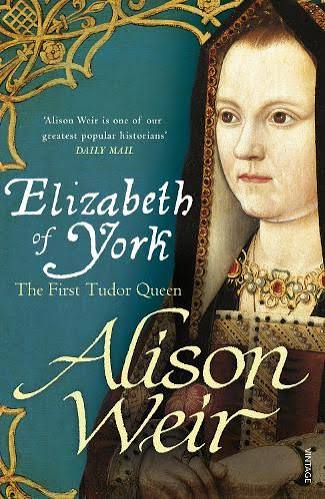
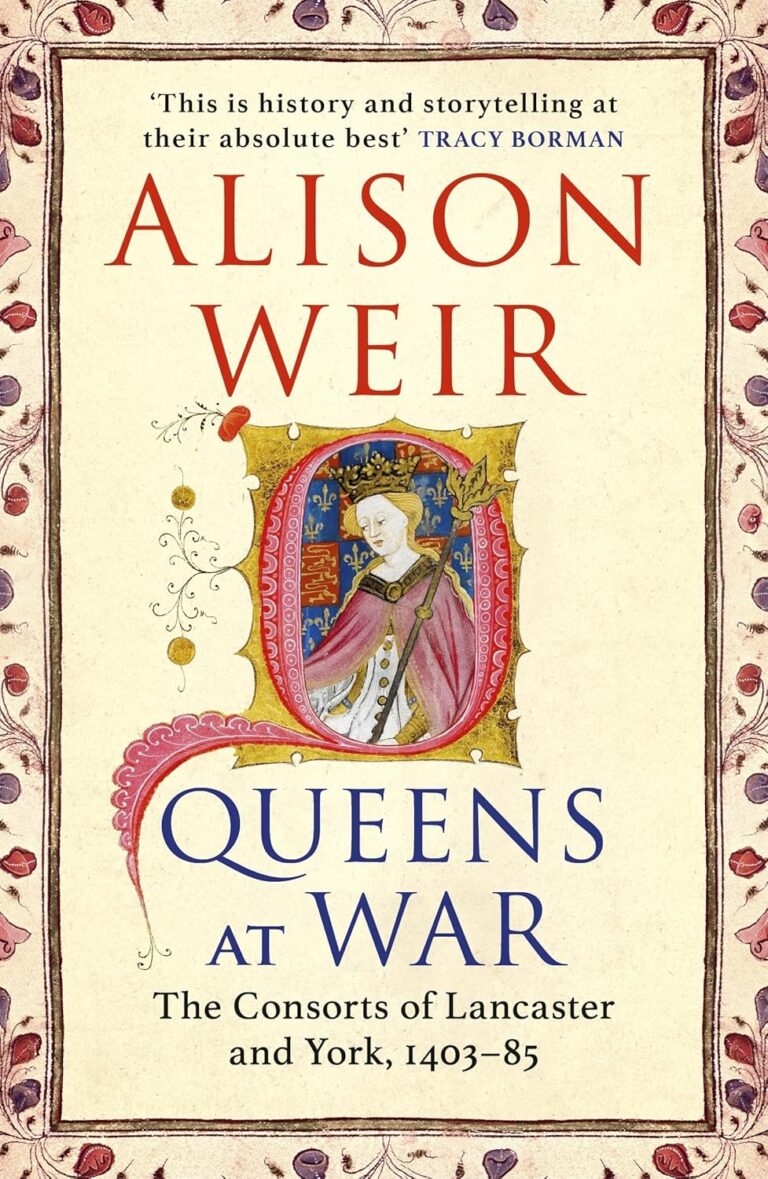
Sarah Gristwood’s Blood Sisters follows Elizabeth of York among the women whose marriages and dynastic claims helped shape the Wars of the Roses. Alison Weir’s Elizabeth of York takes her from Edward IV’s court and the disappearance of her brothers through Bosworth to marriage with Henry VII and motherhood of the Tudor heirs. Weir’s Queens at War places her alongside Elizabeth Woodville, Anne Neville and Margaret Beaufort during the final Yorkist-Lancastrian struggles. Thomas Penn’s Winter King shows how Elizabeth’s death, soon after Prince Arthur’s, suddenly weakened the security of the new dynasty. Tony Riches’ Henry depicts her marriage to the victorious Henry Tudor as both a personal union and the essential political reconciliation on which his kingship depends.