William Tecumseh Sherman was a Union general known for campaigns that targeted the Confederacy’s military resources and capacity to continue war. He helped win at Vicksburg and Chattanooga, captured Atlanta and led the March to the Sea and campaign through the Carolinas.
Sherman’s capture of Atlanta in 1864 strengthened the Union war effort before he led his army across Georgia in the March to the Sea and then north through the Carolinas. His strategy sought to destroy railways, supplies and other resources supporting Confederate armies while demonstrating that the Confederacy could no longer protect its interior. After the war he became commanding general of the United States Army and remained a central figure in debates over the destructive character of Union strategy.
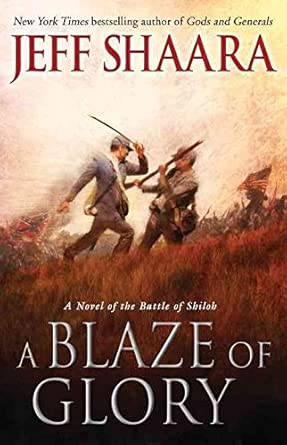
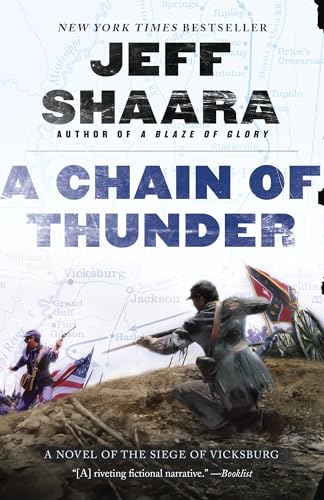
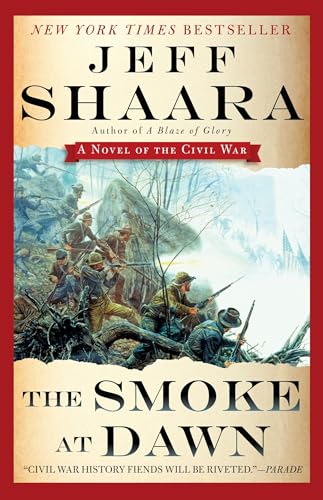
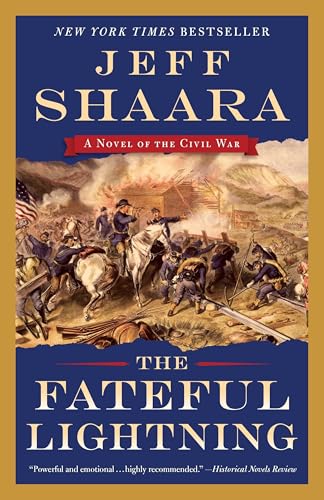
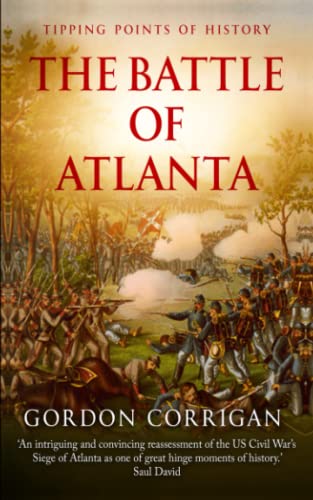
In Gordon Corrigan’s The Battle of Atlanta, in 1864 Union armies under William Tecumseh Sherman pressed toward Atlanta while the American Civil War entered a politically dangerous phase for Abraham Lincoln’s government. In Jeff Shaara’s A Blaze of Glory, in spring 1862, Confederate forces in the western theatre have been driven from Kentucky and much of Tennessee. Albert Sidney Johnston gathers an army at Corinth and plans to strike Ulysses S. Grant near Pittsburg Landing before Don Carlos Buell can reinforce him. Grant, William Tecumseh Sherman and their inexperienced soldiers do not expect the scale of the attack that reaches their camps on 6 April. Further fictional perspectives on William Tecumseh Sherman can be found in Jeff Shaara’s A Chain of Thunder, John Jakes’ Savannah, Jeff Shaara’s The Fateful Lightning, and Jeff Shaara’s The Smoke at Dawn. For broader historical treatment of William Tecumseh Sherman, see Hourly History’s Battle of Shiloh.