Harriet Tubman escaped slavery in Maryland and repeatedly returned south to guide other enslaved people to freedom through the Underground Railroad. During the American Civil War she served the Union as a scout, nurse and intelligence operative and helped lead the Combahee River Raid.
After escaping slavery in 1849, Tubman repeatedly returned to slave states to guide relatives and other fugitives north through the Underground Railroad. During the Civil War she worked for the Union as a nurse, scout and intelligence operative and participated in the Combahee River Raid of 1863. In later life she supported women's suffrage and cared for relatives and other Black residents around Auburn, New York.
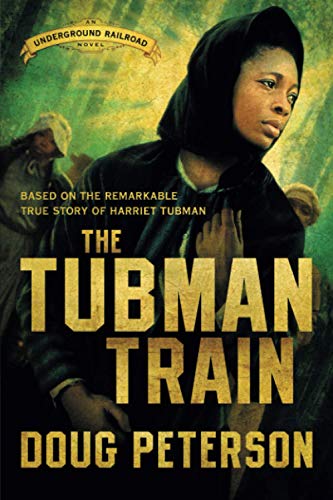
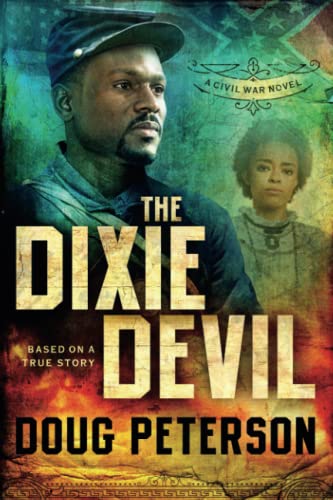
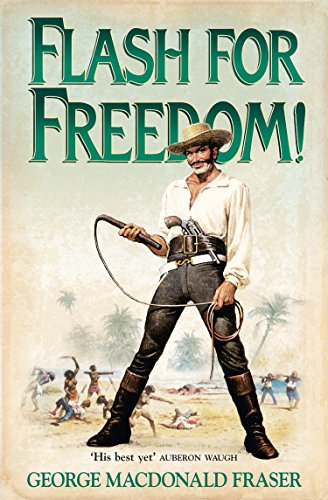
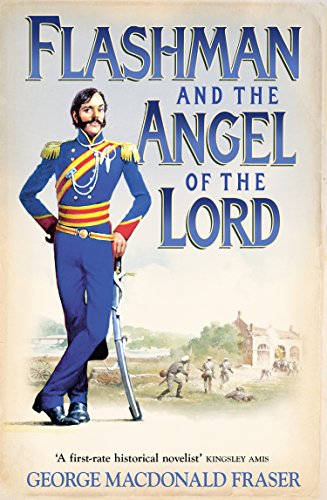
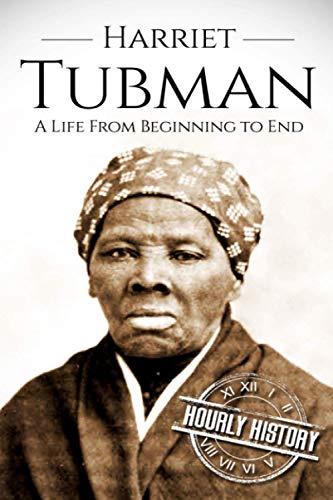
Hourly History’s Harriet Tubman recounts the life of the woman who escaped slavery in Maryland and repeatedly returned south to guide relatives and other freedom seekers to safety. In James McBride’s The Good Lord Bird, Henry Shackleford, a young enslaved boy, is swept into John Brown’s antislavery band after violence kills Henry’s father. Brown mistakes him for a girl, and Henry—nicknamed Onion—maintains the disguise because it offers protection. His comic, sceptical narration follows Brown’s family and followers through hunger, preaching, raids and the confused warfare of Bleeding Kansas. Onion later encounters Frederick Douglass and Harriet Tubman as Brown searches for support for an armed attack on slavery. Harriet Tubman is treated fictionally in Doug Peterson’s The Tubman Train, George MacDonald Fraser’s Flash for Freedom!, and George MacDonald Fraser’s Flashman and the Angel of the Lord.