Frederick Douglass was an American abolitionist, writer and orator who escaped slavery and became one of the most influential advocates of emancipation and equal citizenship in the nineteenth century. Born enslaved in Maryland around 1818, he learned to read despite restrictions imposed on enslaved people and escaped to the North in 1838. His powerful antislavery speeches and the publication of Narrative of the Life of Frederick Douglass in 1845 made him internationally famous and exposed the violence of American slavery.
Douglass founded and edited antislavery newspapers, supported women’s rights and argued that the Constitution could be used against slavery. During the Civil War he pressed Abraham Lincoln to make emancipation central to Union policy and campaigned for the recruitment and equal treatment of Black soldiers. After the war he defended Reconstruction and Black voting rights, held several federal offices and continued to challenge racial discrimination until his death in Washington in 1895. His later autobiographies expanded the record of his political life and thought.
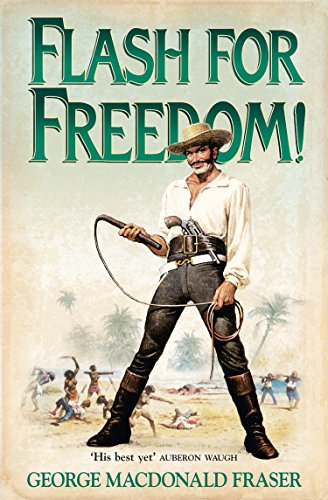
Hourly History’s Frederick Douglass traces the life of the formerly enslaved abolitionist who became one of the most influential writers and orators of nineteenth-century America. In James McBride’s The Good Lord Bird, Henry Shackleford, a young enslaved boy, is swept into John Brown’s antislavery band after violence kills Henry’s father. Brown mistakes him for a girl, and Henry—nicknamed Onion—maintains the disguise because it offers protection. His comic, sceptical narration follows Brown’s family and followers through hunger, preaching, raids and the confused warfare of Bleeding Kansas. Onion later encounters Frederick Douglass and Harriet Tubman as Brown searches for support for an armed attack on slavery. Further fictional perspectives on Frederick Douglass can be found in George MacDonald Fraser’s Flash for Freedom! and George MacDonald Fraser’s Flashman and the Angel of the Lord. For broader historical treatment of Frederick Douglass, see Hourly History’s Reconstruction Era.