George Plantagenet, Duke of Clarence, was the younger brother of Edward IV and an important but unreliable participant in the Wars of the Roses. He married Isabel Neville, allied with her father the Earl of Warwick and helped depose Edward before changing sides again. Continued plotting and a bitter dispute over the Neville inheritance led to his conviction for treason in 1478. Tradition claims that he was drowned in a butt of malmsey wine, though the method is not securely documented.
Clarence appears in Sharon Kay Penman’s The Sunne in Splendour, Philippa Gregory’s The Kingmaker’s Daughter and Conn Iggulden’s Wars of the Roses novels. Fiction often portrays him as weak, jealous and easily manipulated, particularly beside Edward IV and Richard III. His repeated betrayals provide strong drama, but they also reflected genuine dynastic claims and the unstable rewards of Yorkist victory.
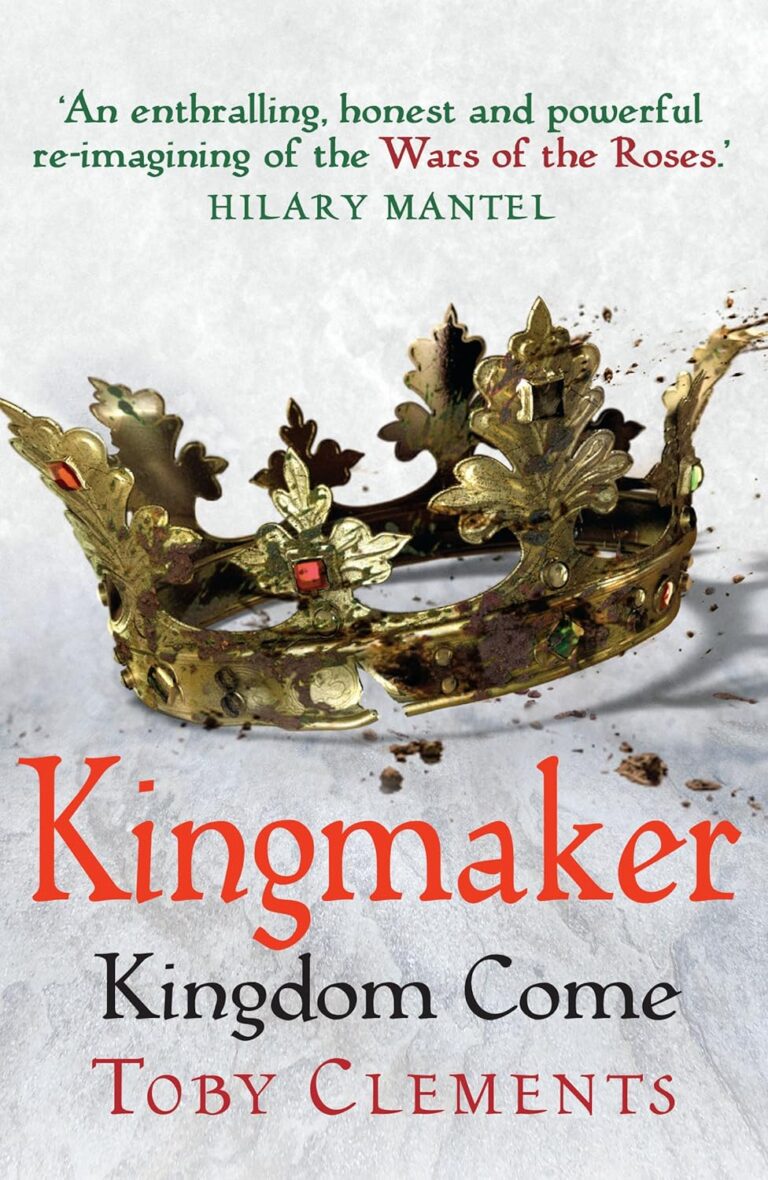
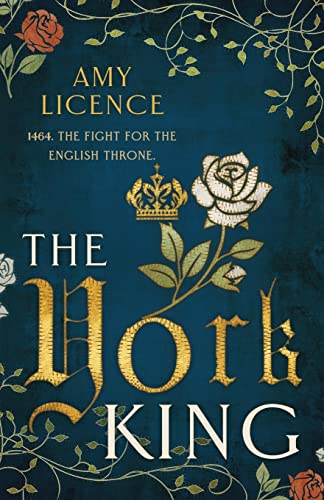
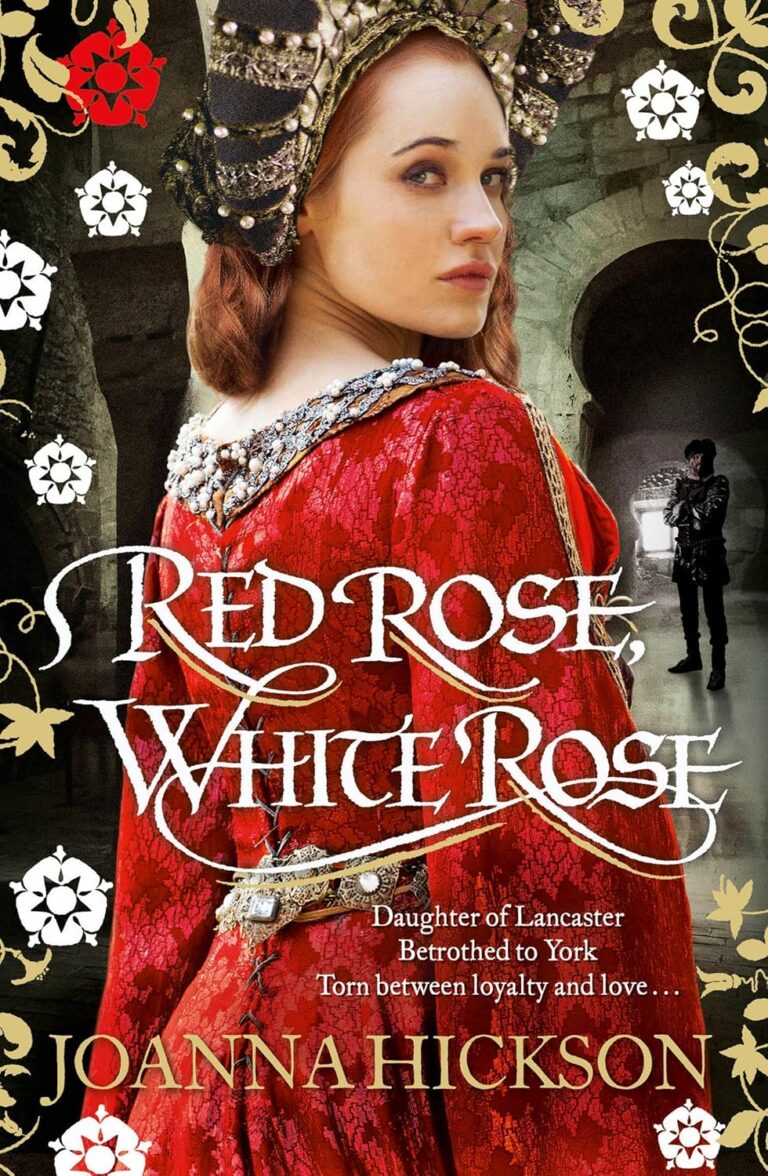
In Joanna Hickson’s Red Rose, White Rose, Cecily becomes the mother of Edward IV, George of Clarence and Richard III while enduring campaigns, exile, imprisonment and bereavement. In Toby Clements’s Kingmaker: Divided Souls, as Warwick allies with George, Duke of Clarence, and the royal army is defeated at Edgcote, the Everinghams are caught between obligations to powerful patrons and the need to protect their family. Other novels featuring George Plantagenet, Duke of Clarence include C. F. Dunn’s Sun Ascendant, C. F. Dunn’s Degrees of Affinity, C. F. Dunn’s Legacy of Steel, Amy Licence’s The York King (House of York), and Toby Clements’s Kingmaker: Kingdom Come.
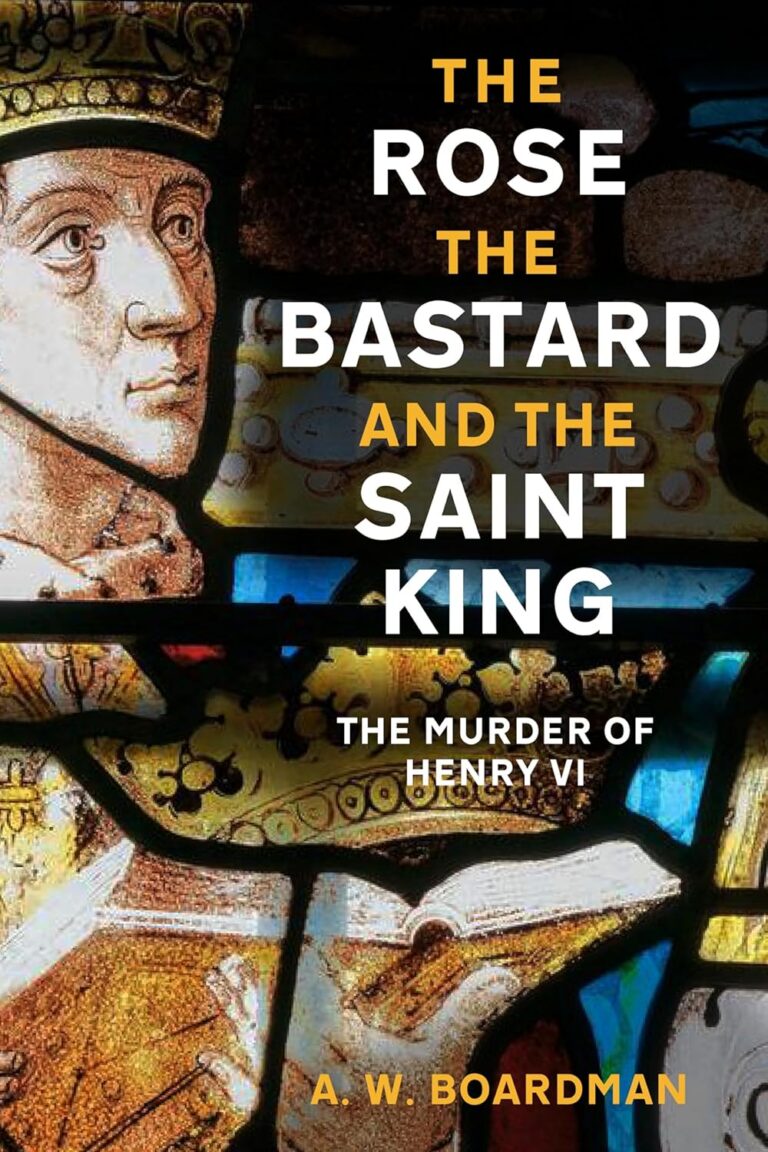
In non-fiction, George Plantagenet, Duke of Clarence is discussed in A. W. Boardman’s The Rose, the Bastard and the Saint King. A. W. Boardman’s The Rose, the Bastard and the Saint King approaches the subject through court politics and dynastic power, military command and battlefield decision-making, and political ambition and government.