George Armstrong Custer was a United States Army officer who rose rapidly during the American Civil War and became one of the best-known cavalry commanders of his generation. Born in Ohio in 1839, he graduated last in his class at West Point in 1861 but quickly gained field experience. His aggressive style and willingness to take risks brought promotion to brigadier general of volunteers at the age of twenty-three.
After the Civil War Custer reverted to his regular-army rank and served with the 7th Cavalry on the Great Plains during the violent expansion of United States control over Indigenous lands. His 1868 attack on Black Kettle’s Cheyenne village on the Washita remains heavily contested. In June 1876 Custer divided his regiment while attacking a large Lakota, Northern Cheyenne and Arapaho encampment at the Little Bighorn; he and the five companies with him were destroyed.
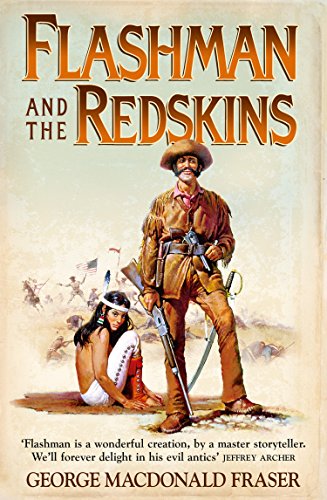
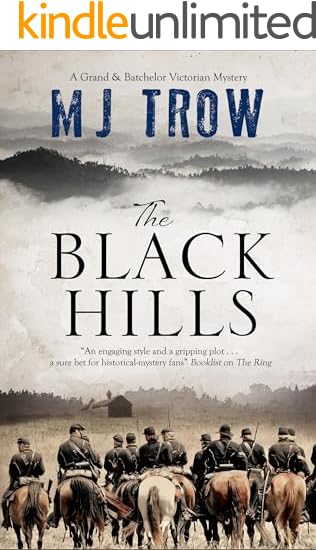
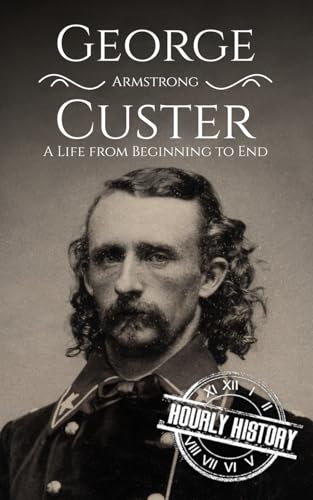
George MacDonald Fraser’s Flashman and the Redskins sends Flashman towards Custer’s 1876 expedition, viewing the celebrated cavalryman through a narrator deeply suspicious of heroic legend. M. J. Trow’s The Black Hills makes Custer part of a murder mystery around the Seventh Cavalry and asks whether the famous commander himself may be the intended target. Hourly History’s George Armstrong Custer follows the historical career from Civil War promotion to the Little Bighorn. John Jakes’ Heaven and Hell places Custer within the post-war western army and the conflicts produced by expansion onto Indigenous lands. In the alternate-history Never Call Retreat, Custer belongs instead to a Civil War whose changed strategic course gives familiar commanders different opportunities and consequences.