Priam was the elderly king of Troy during the Trojan War and the father of a vast royal family that included Hector, Paris and Cassandra. His most important scene comes after Achilles kills Hector and refuses to return the body. Priam enters the Greek camp alone, kneels before Achilles and begs him to remember his own father. Their shared grief temporarily overcomes the divisions of war, making the ransom of Hector one of the poem’s most powerful scenes of pity, dignity and reconciliation.
Ancient writers developed Priam’s story as part of the wider destruction of Troy. Homer contrasts his courtesy towards Helen with the hostility she encounters elsewhere in the Trojan court, while his exchanges with Hector reveal his fear for Troy’s future. Later traditions describe his death during the sack of the city.
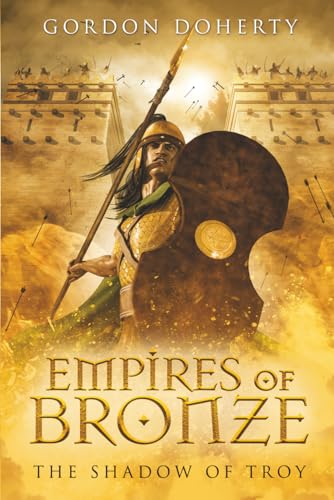
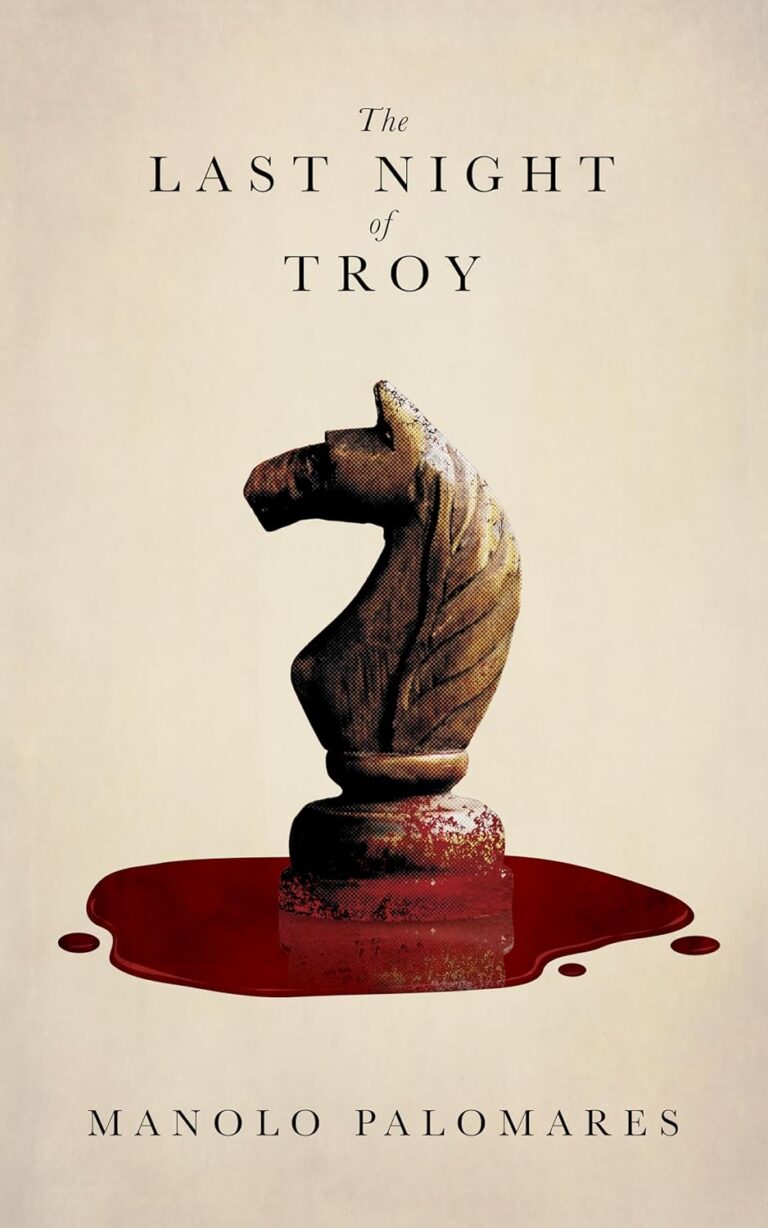
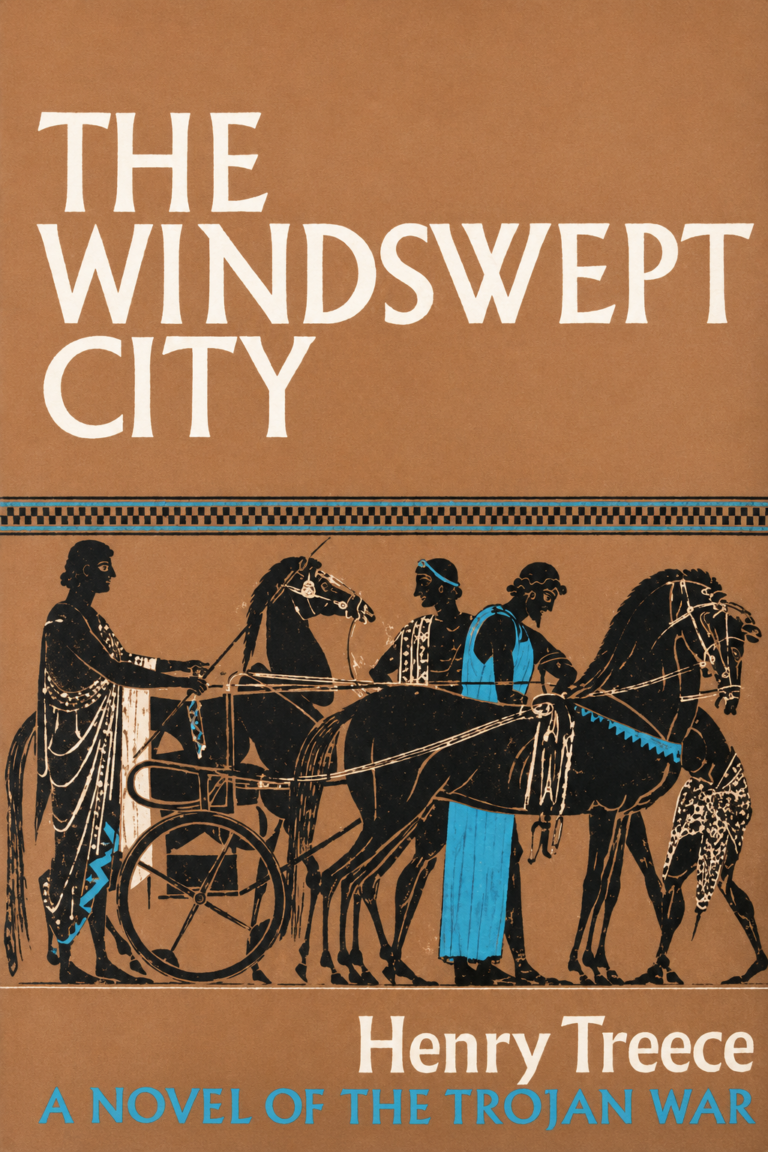
Marion Zimmer Bradley’s The Firebrand portrays Priam through Cassandra’s eyes as the ageing king of Troy whose family loyalties, political calculations and refusal to heed prophecy cannot prevent the city’s destruction. The Shadow of Troy places Priam’s kingdom inside a wider eastern Mediterranean system, with hoped-for Hittite aid offering one last chance to relieve the siege. In The Windswept City, Priam presides over a royal household exhausted by blockade and by the destructive choices of Paris, Hector and the other princes. David Gemmell’s Troy: Shield of Thunder emphasises the factional weakness within Priam’s court even while Troy remains militarily formidable. The Last Night of Troy brings his reign to its final hours as the wooden horse enters the city and the apparent end of the war becomes the mechanism of Troy’s fall.