
1. American Indian Wars
American Indian Wars surveys the many conflicts that accompanied United States expansion across Indigenous homelands. Rather than presenting a single continuous war, it distinguishes regional struggles involving different Native nations, federal armies, state forces, settlers and rival political authorities. The book examines treaty making and violation,…
2. Apache Wars
The Apache Wars traces the prolonged conflicts between Apache groups, Mexico and the United States across the Southwest. It places raiding, retaliation and military campaigning within a borderland transformed by changing sovereignty, settlement and the disruption of established trade and subsistence patterns. The account follows leaders…
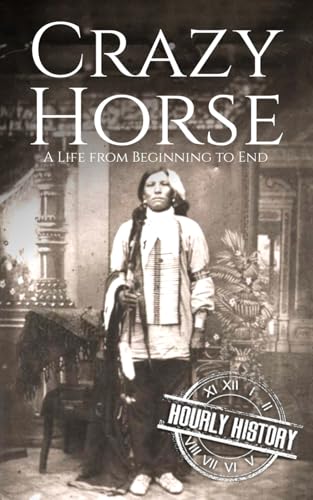
3. Crazy Horse
Crazy Horse follows the Oglala Lakota war leader whose resistance became closely associated with Red Cloud’s War and the Great Sioux War. It reconstructs his life from oral traditions and contemporary records while acknowledging the uncertainties created by limited and often hostile documentation. The biography examines…
4. French and Indian War
The French and Indian War examines the North American theatre of the wider Seven Years’ War. It explains the competing French and British claims in the Ohio Valley and the decisive role of Native nations whose alliances reflected their own strategic interests. The book follows early…
5. Geronimo
Geronimo traces the Bedonkohe Apache leader whose long resistance made him one of the best-known figures of the southwestern borderlands. It follows personal loss, raiding, negotiations and repeated departures from reservations amid conflict involving Apache groups, Mexico and the United States. The biography examines the final…
6. King Philip’s War
King Philip’s War recounts the devastating conflict of 1675–1676 between New England colonies and a coalition of Native communities led in part by Metacom, known to colonists as King Philip. It traces disputes over land, sovereignty, law and the expanding power of English settlements. The war…
7. Native American History
Native American History offers a broad introduction to the diverse peoples and societies of North America before and after European colonisation. It considers political organisation, agriculture, trade, religion and regional adaptation without treating Indigenous experience as a single culture or a prelude to United States history.…

8. Olive Oatman
Olive Oatman examines the life of the emigrant whose family was attacked in 1851 while travelling west and who later lived among the Mohave. It reconstructs the uncertain circumstances of her captivity, transfer and eventual return to American society. The biography considers Oatman’s facial tattoo, public…
9. Pocahontas
Pocahontas follows the Powhatan woman whose encounters with English settlers became one of the most familiar stories of early colonial America. It places her within the political world of the Powhatan paramount chiefdom and the unstable Jamestown settlement rather than treating her only through later romantic…
10. Pontiac’s War
Pontiac’s War examines the broad Indigenous resistance that followed Britain’s victory over France in North America. It explains how changes in diplomacy, trade and military occupation provoked attacks on British forts and settlements across the Great Lakes and Ohio Country in 1763. The book follows the…
11. Red Cloud’s War
Red Cloud’s War recounts the conflict of 1866–1868 over the Bozeman Trail and United States forts in the Powder River country. It places Lakota, Northern Cheyenne and Arapaho resistance within the defence of hunting grounds and the wider pressures created by migration and military expansion. The…
12. Seminole Wars
The Seminole Wars surveys the conflicts fought in Florida between the United States and Seminole communities during the first half of the nineteenth century. It explains the borderland created by Spanish rule, Native migration, maroon communities and American efforts to recover escaped enslaved people. The book…
13. Sitting Bull
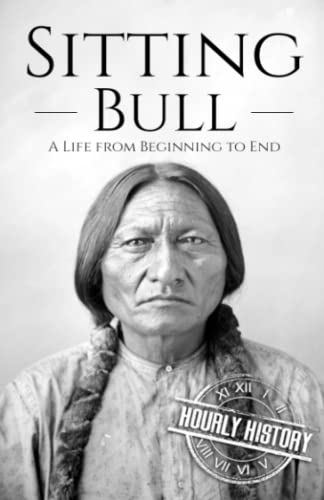
Sitting Bull follows the Hunkpapa Lakota leader whose spiritual authority and political influence made him a central figure in resistance to United States expansion. It traces his opposition to treaties that surrendered Lakota land and his role in the movement that gathered before the Little Bighorn…
14. The Apache
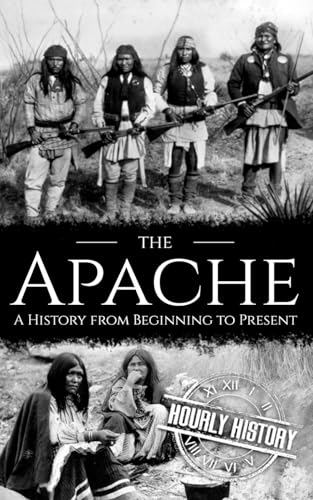
The Apache presents the histories of related but distinct peoples whose homelands extended across the American Southwest and northern Mexico. It examines language, kinship, mobility, subsistence and exchange, emphasising adaptation to varied mountain, desert and plains environments. The book follows Spanish, Mexican and United States expansion,…
15. The Cherokee
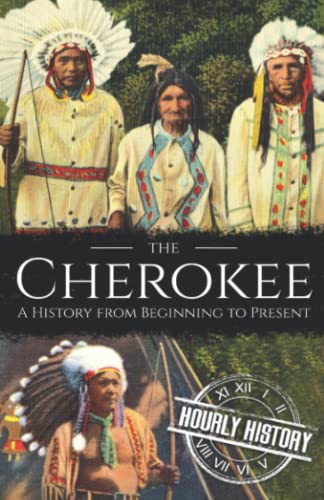
The Cherokee traces the history of a southeastern Indigenous nation from precolonial towns and regional diplomacy through removal and modern sovereignty. It examines political organisation, trade, warfare and the pressures created by British and American settlement. The book follows constitutional government, Sequoyah’s writing system, the dispute…
16. The Comanche
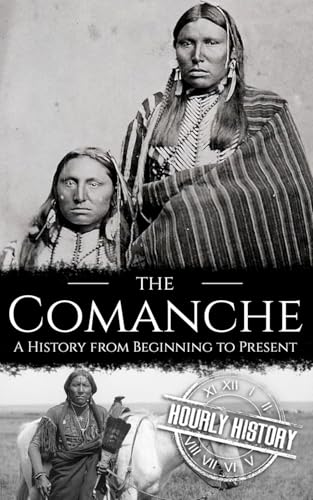
The Comanche examines the people who built a powerful equestrian society across the southern Plains. It traces migration, the adoption of the horse and the development of trade, diplomacy and warfare that made Comancheria a major regional power. The book follows relations with Spanish, Mexican, Native…
17. The Great Sioux War
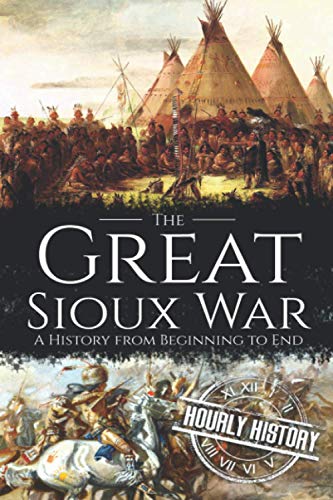
The Great Sioux War recounts the conflict of 1876–1877 between the United States and Lakota and Northern Cheyenne communities defending the Black Hills and surrounding country. It explains the breakdown of treaty protections after the discovery of gold and the federal demand that non-reservation bands report…
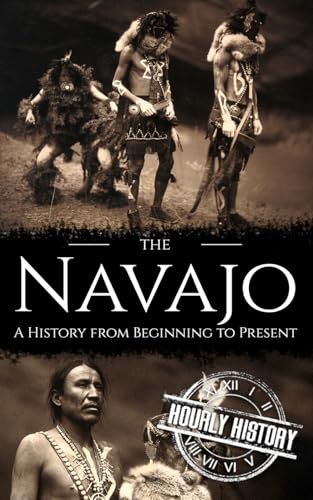
18. The Navajo
The Navajo presents the history of the Diné from their development in the Southwest through Spanish, Mexican and United States rule. It examines pastoralism, farming, weaving, family and ceremonial life, as well as exchange and conflict with neighbouring peoples. The book gives particular attention to Kit…
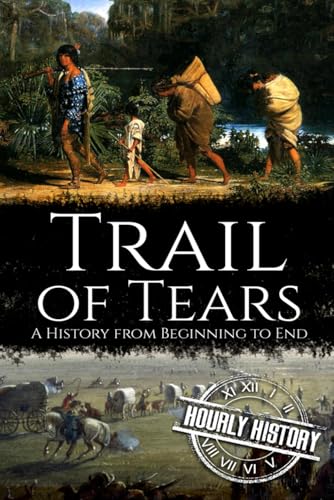
19. Trail of Tears
Trail of Tears examines the forced removal of the Cherokee from the southeastern United States during the 1830s. It traces land hunger, Georgia’s challenge to Cherokee sovereignty, federal policy under Andrew Jackson and the disputed Treaty of New Echota. The book follows detention, the westward journey…
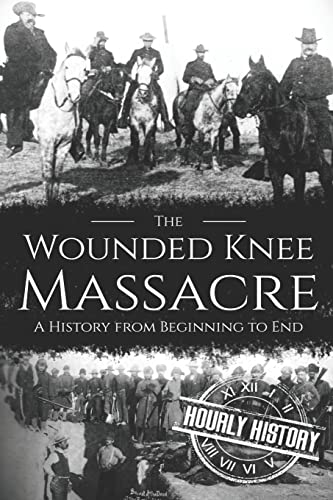
20. Wounded Knee Massacre
The Wounded Knee Massacre reconstructs the killing of Lakota men, women and children by the United States Seventh Cavalry in December 1890. It places the event within reservation hardship, federal anxiety over the Ghost Dance and the death of Sitting Bull. The narrative follows the interception…