John Smith was an English soldier, explorer and colonial leader who helped establish Jamestown in Virginia. As president of the colony’s council, he imposed strict labour rules and negotiated, traded and fought with Powhatan communities.
Smith later explored and mapped the coast of New England and published influential accounts of his adventures. His story of rescue by Pocahontas became famous, although historians continue to debate its meaning and accuracy.
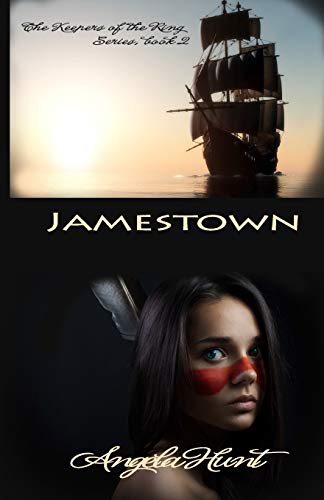
Hourly History’s Pocahontas examines the disputed rescue of John Smith, her captivity, conversion, marriage to John Rolfe and journey to England. In William T. Vollmann’s Argall, John Smith’s encounters with Pocahontas are repeatedly reshaped into legend, while hunger, disease and retaliatory violence expose the colony’s weakness and the coercive assumptions beneath its claims to possession. Samuel Argall’s capture of Pocahontas in 1613 leads to her conversion, marriage to John Rolfe and journey to England, where she is displayed as evidence that colonisation can be presented as Christian improvement. Vollmann’s elaborate imitation of early modern language repeatedly collides with blunt accounts of exploitation and betrayal. Angela Hunt’s Jamestown places its fictional family near John Smith and Pocahontas while asking whether kinship is defined by blood, culture, vow or shared faith.