John Rolfe was an English colonist in Virginia who developed the cultivation of a tobacco variety that became the colony’s principal export. The crop transformed Virginia’s economy while accelerating land seizure and dependence on coerced labour.
Rolfe married Pocahontas in 1614, and their marriage temporarily supported peace between English settlers and the Powhatan alliance. He later served in colonial government and died during the renewed conflict of 1622.
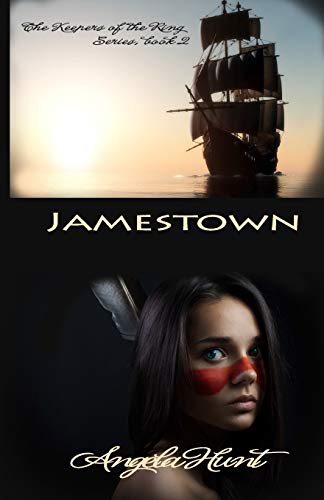
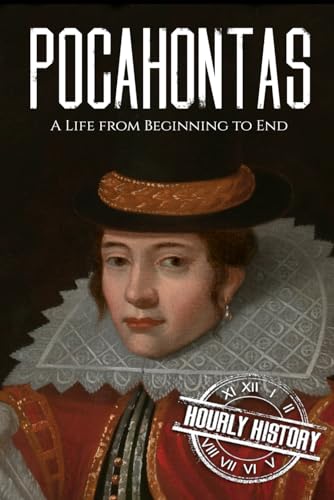
Hourly History’s Pocahontas examines the disputed rescue of John Smith, her captivity, conversion, marriage to John Rolfe and journey to England. In William T. Vollmann’s Argall, John Smith’s encounters with Pocahontas are repeatedly reshaped into legend, while hunger, disease and retaliatory violence expose the colony’s weakness and the coercive assumptions beneath its claims to possession. Samuel Argall’s capture of Pocahontas in 1613 leads to her conversion, marriage to John Rolfe and journey to England, where she is displayed as evidence that colonisation can be presented as Christian improvement. Vollmann’s elaborate imitation of early modern language repeatedly collides with blunt accounts of exploitation and betrayal. John Rolfe is treated fictionally in Angela Hunt’s Jamestown.