247–c. 183 BCE
Hannibal Barca was a Carthaginian general who led the most dangerous challenge faced by the Roman Republic. After expanding Carthaginian power in Iberia, he began the Second Punic War and crossed the Alps into Italy in 218 BC. Victories at Trebia, Lake Trasimene and Cannae destroyed successive Roman armies, but he could not force Rome to surrender.
Hannibal carried the Second Punic War into Italy by crossing the Alps in 218 BC and then defeated Roman armies at the Trebia, Lake Trasimene and Cannae. Rome nevertheless refused to negotiate and gradually reduced his strategic freedom while attacking Carthaginian power elsewhere. Recalled to North Africa, Hannibal was defeated by Scipio at Zama in 202 BC; he later served Carthage politically before going into exile and eventually taking his own life to avoid Roman capture.
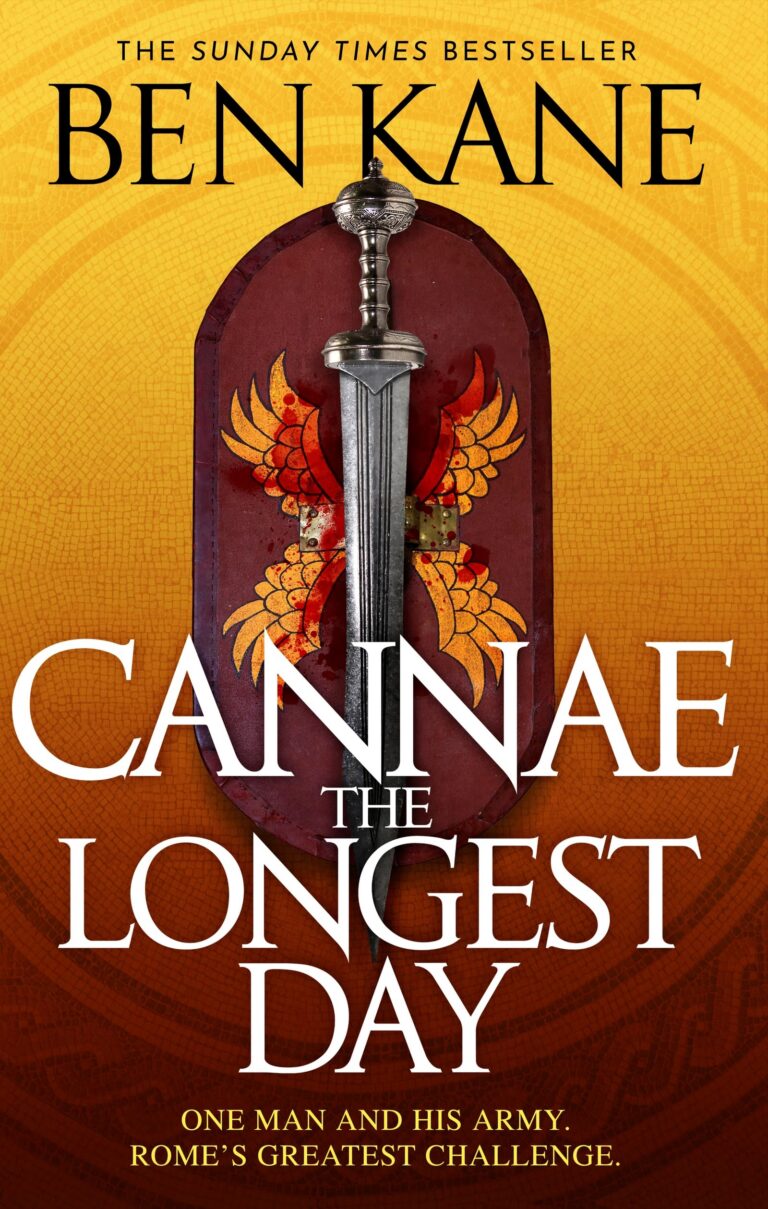
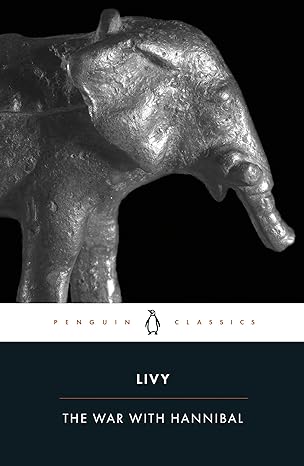
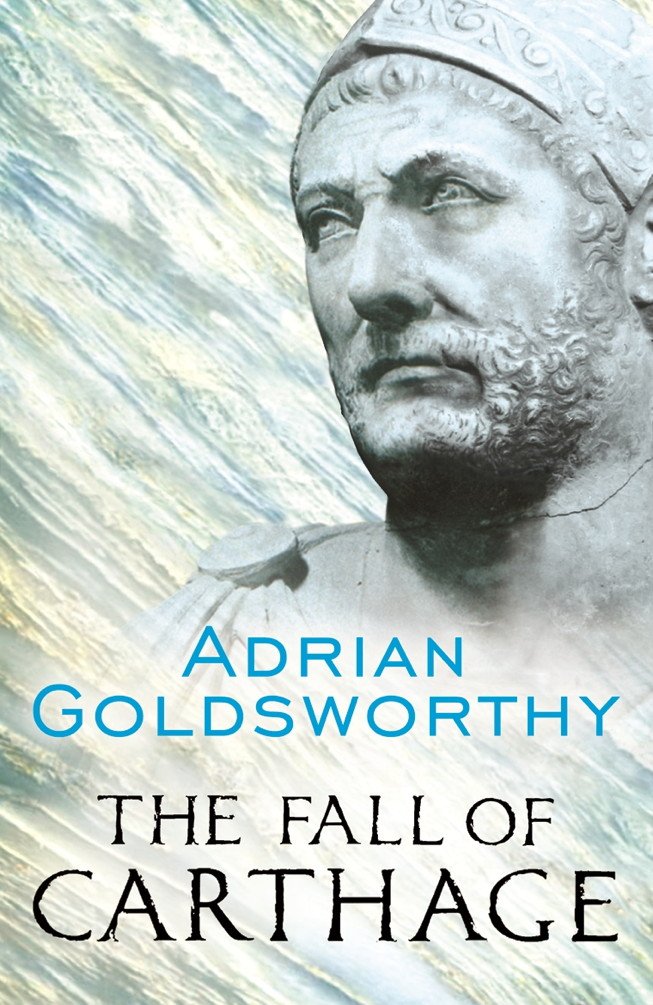
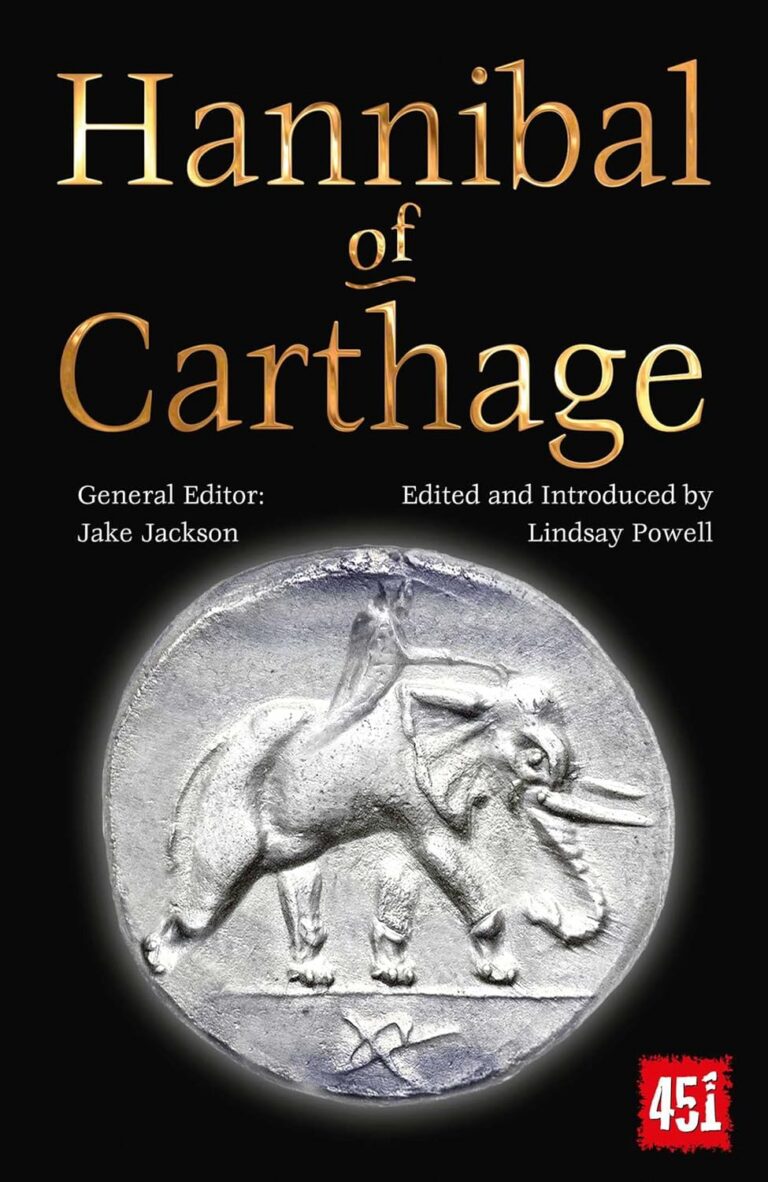
Lindsay Powell’s Hannibal of Carthage follows Hannibal from Iberia across the Alps and through the victories at the Trebia, Lake Trasimene and Cannae, while asking why those successes never compelled Rome to surrender. Adrian Goldsworthy’s The Fall of Carthage places the same campaign inside the larger Punic struggle, from the war for Sicily to Scipio’s counterstroke in Africa and the eventual destruction of Carthage. Ben Kane’s Cannae makes Hannibal’s double-envelopment of the Roman army the centre of the novel, whereas Clash of Empires meets him late in the war as he returns to Africa for the confrontation that will decide Carthage’s fate. Livy’s Hannibal’s War supplies the ancient narrative of the invasion, Rome’s disasters and recovery, and Hannibal’s final defeat at Zama.