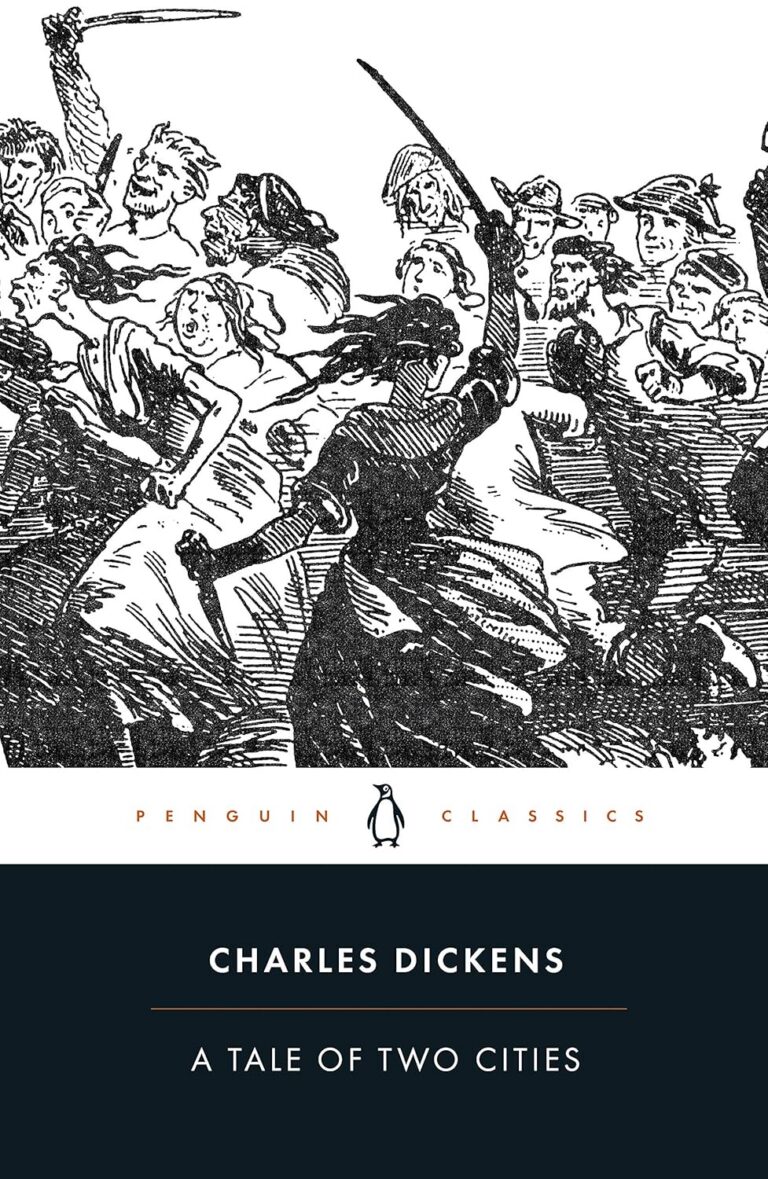
The French Revolution began in 1789 as financial crisis, political resentment, and demands for representation broke the authority of the old monarchy. The fall of the Bastille, the abolition of feudal privilege, the execution of Louis XVI, and the rise of the republic changed France and alarmed much of Europe. Its course moved from reform to violence, from popular politics to state repression, and finally to the military-backed government that brought Napoleon to power.
This period is one of the strongest settings for historical novels about class, fear, ideology, survival, and sudden social reversal. Aristocrats, radicals, soldiers, priests, prisoners, informers, émigrés, and ordinary families can all be drawn into the same crisis. It also works as the essential background to the Revolutionary Wars and the Napoleonic world that followed.
Novels and series set during the French Revolution often use the period as a world of sudden reversals, where loyalty, class, faith, and survival can change within a single chapter. It is especially useful for stories about divided families, prison escapes, émigrés, revolutionary justice, political idealism, and the human cost of public violence. The period can stand alone as a setting, but it also provides the emotional and political foundation for fiction set in the Revolutionary Wars and the rise of Napoleon.