
Historical person
Jean-Paul Marat
1743–1793
Jean-Paul Marat was a physician, political writer and radical journalist who became one of the most recognisable voices of the French Revolution. Born in Neuchâtel in 1743, he spent much of his early career in Britain and France working in medicine and scientific writing. After 1789 he devoted himself increasingly to revolutionary politics through his newspaper L’Ami du peuple, attacking aristocrats, ministers and moderate revolutionaries and presenting himself as a vigilant defender of ordinary citizens against conspiracy and betrayal.
Marat’s journalism used violent language and repeatedly demanded harsh measures against perceived enemies, making him both influential and deeply feared. Elected to the National Convention, he aligned with the Montagnards and became embroiled in the struggle against the Girondins. Chronic skin disease forced him to work much of the time from a medicinal bath. On 13 July 1793 Charlotte Corday, a Girondin sympathiser, gained access to his rooms and stabbed him to death. Revolutionary propaganda rapidly transformed Marat into a martyr, most famously in Jacques-Louis David’s painting The Death of Marat.
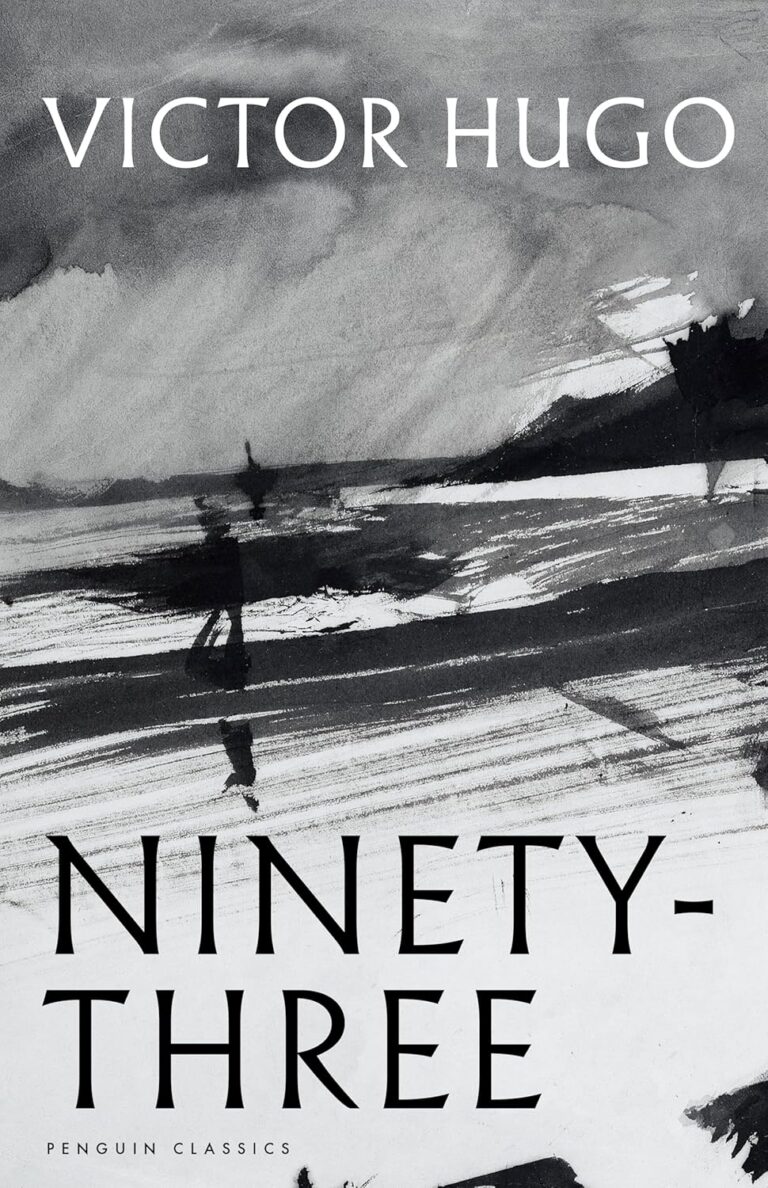
Victor Hugo’s Ninety-Three brings Jean-Paul Marat into its portrait of revolutionary Paris at the height of the Terror. He appears alongside Danton and Robespierre as one of the uncompromising voices of the Revolution, giving Hugo a way to contrast ideological violence and political absolutism in the capital with the brutal civil war unfolding in the Vendée.
Standalone books
Standalone books featuring Jean-Paul Marat (1 book)