The Vietnam War grew out of the collapse of French colonial rule in Indochina and the division of Vietnam after the First Indochina War. Following the French defeat at Dien Bien Phu in 1954, Vietnam was temporarily divided near the seventeenth parallel between the communist Democratic Republic of Vietnam in the north, led by Ho Chi Minh, and the anti-communist Republic of Vietnam in the south. The United States increasingly supported South Vietnam as part of its wider Cold War policy of containing communism, while North Vietnam backed communist insurgents in the south, commonly known as the Viet Cong. What began as political instability, insurgency and foreign military assistance developed into a major international war involving North and South Vietnamese forces, the United States and troops from several allied countries.
American involvement expanded dramatically during the 1960s. After the Gulf of Tonkin incidents in 1964, President Lyndon B. Johnson obtained broad congressional authority to increase military operations, and large numbers of American combat troops were deployed from 1965. The United States relied on overwhelming firepower, aerial bombing and search-and-destroy operations, while North Vietnamese and Viet Cong forces combined conventional warfare with guerrilla tactics and extensive supply networks such as the Ho Chi Minh Trail. The Tet Offensive of 1968 was a severe military setback for communist forces in many areas, but its scale damaged American claims that victory was close and contributed to growing opposition to the war in the United States. Fighting also spread into neighbouring Laos and Cambodia, making the conflict part of a wider struggle across Indochina.
Under President Richard Nixon, the United States pursued “Vietnamization”, gradually withdrawing American ground forces while strengthening the South Vietnamese military. At the same time, bombing and military operations continued, including campaigns in Cambodia and Laos. The Paris Peace Accords of 1973 ended direct American military participation, but fighting between North and South Vietnam continued. In April 1975 North Vietnamese forces captured Saigon, bringing the war to an end and leading to the reunification of Vietnam under communist rule the following year. The conflict killed vast numbers of Vietnamese civilians and soldiers as well as more than 58,000 American service personnel, displaced millions of people and left lasting effects from bombing, unexploded ordnance and chemical defoliants such as Agent Orange. Its political legacy was equally profound, shaping American attitudes toward military intervention while leaving complex and sometimes sharply different memories among Vietnamese people, veterans, refugees and the countries involved.
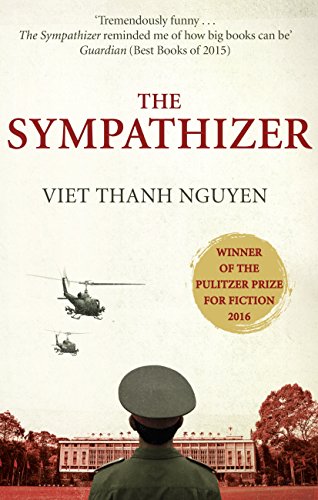
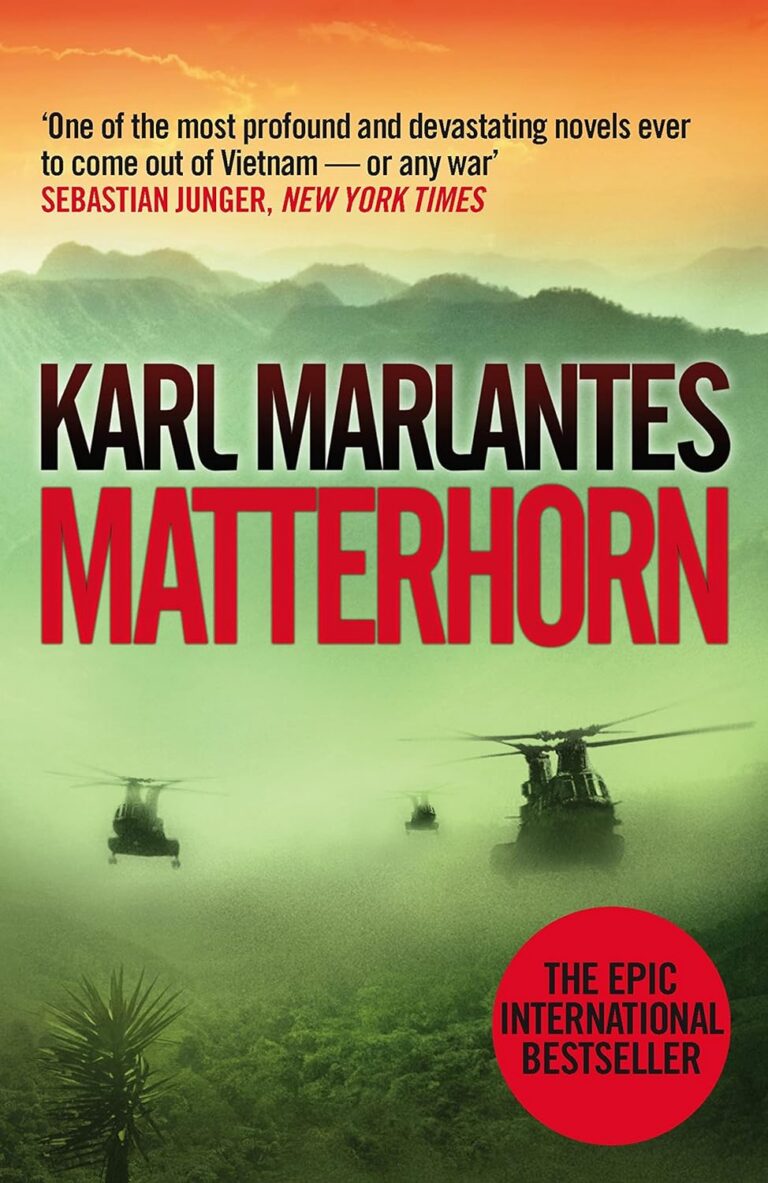
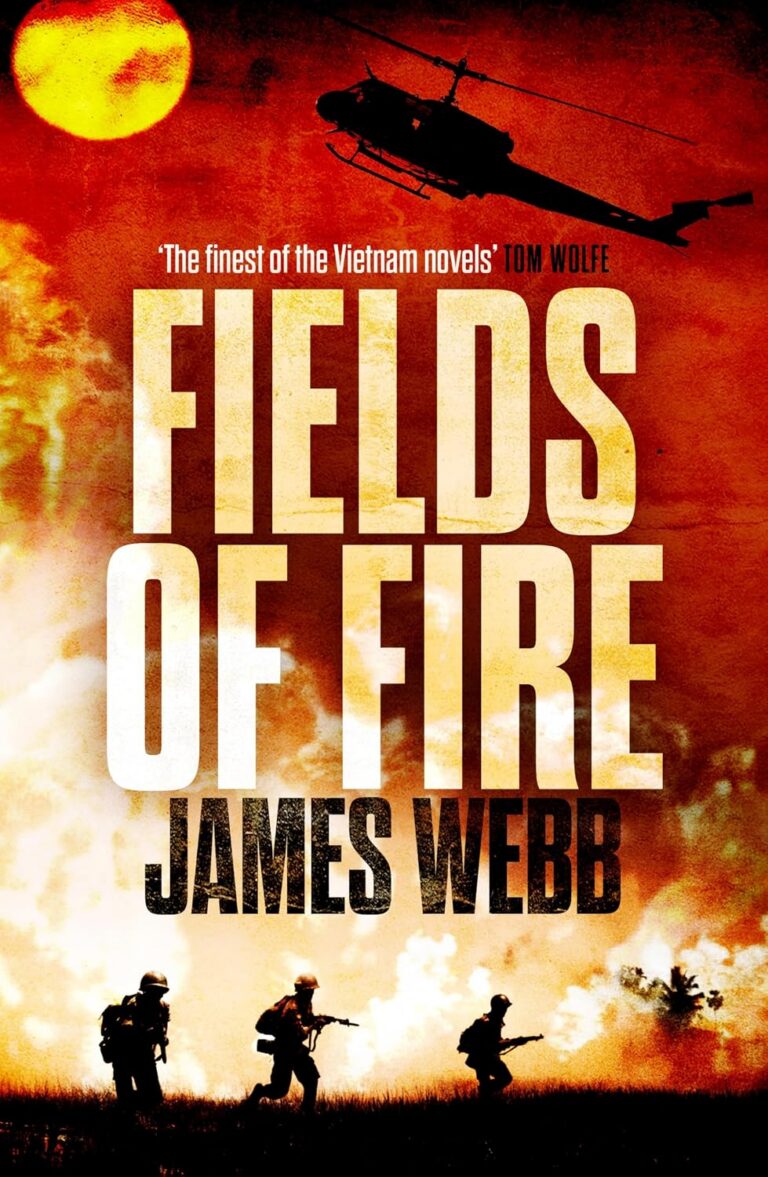
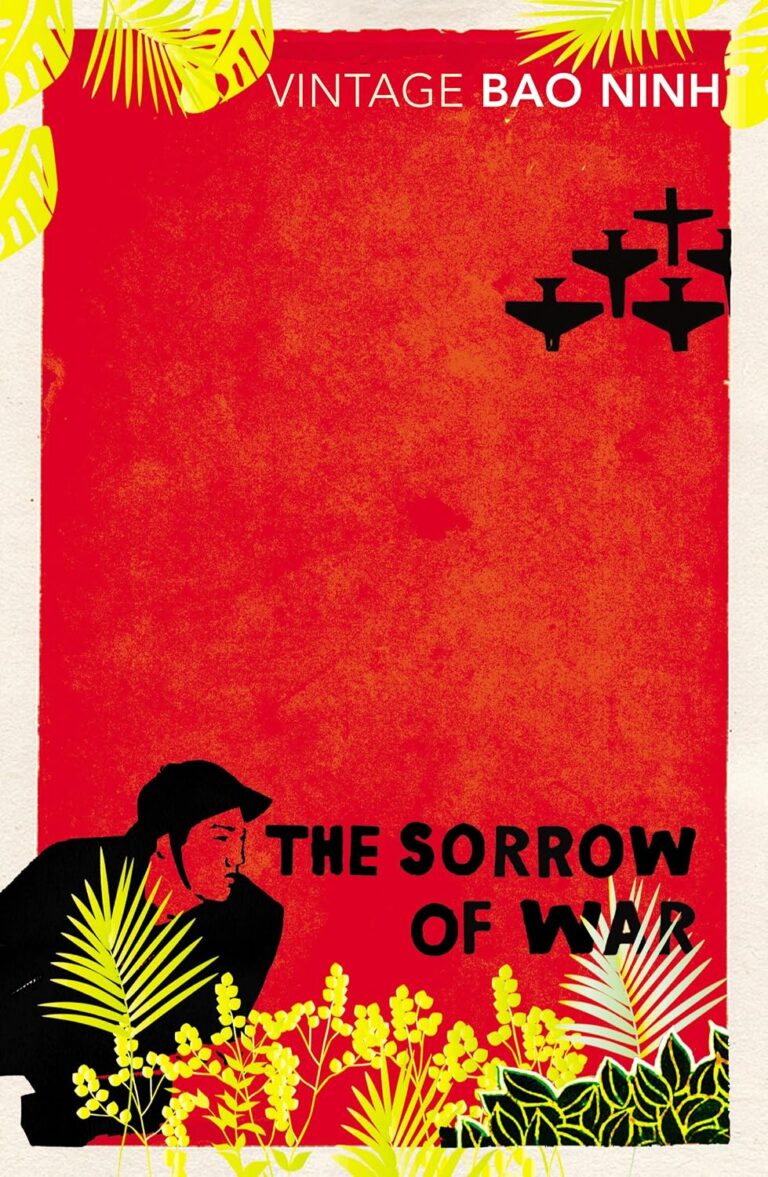
Novels about the Vietnam War often concentrate less on grand strategy than on the experience of soldiers and civilians caught within the conflict. Tim O’Brien’s The Things They Carried and Going After Cacciato examine memory, fear, comradeship and the uncertain boundary between experience and storytelling, while Karl Marlantes’ Matterhorn portrays the exhausting realities of combat, military hierarchy and racial tension among American Marines. James Webb’s Fields of Fire follows Marines through the war and its aftermath, and Bao Ninh’s The Sorrow of War provides a powerful North Vietnamese perspective centred on trauma, memory and loss. Viet Thanh Nguyen’s The Sympathizer begins during the fall of Saigon and follows the conflict into exile, exploring divided loyalties, ideology and the experience of Vietnamese refugees.