Viet Thanh Nguyen (born 1971) is a Vietnamese-American novelist, scholar and essayist whose work explores war, migration, memory, identity and the experience of refugees. Born in Buôn Ma Thuột in South Vietnam, he left the country with his family after the fall of Saigon in 1975 and grew up in the United States. He is a University Professor and the Aerol Arnold Chair of English at the University of Southern California, where he teaches English, American Studies and Ethnicity, and Comparative Literature. Alongside his fiction, Nguyen has written major works of criticism and cultural history, including Race and Resistance and Nothing Ever Dies: Vietnam and the Memory of War, and edited The Displaced, a collection of essays by refugee writers. His novel The Sympathizer won the 2016 Pulitzer Prize for Fiction, as well as the Edgar Award for Best First Novel and several other major prizes.
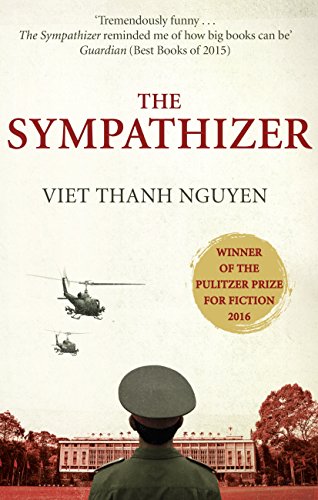
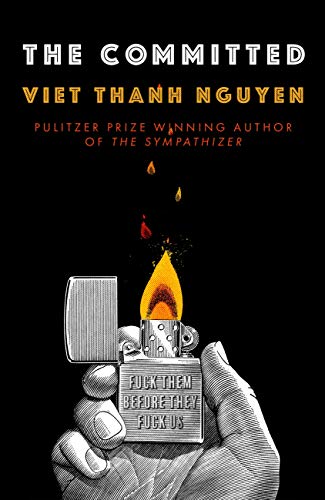
Nguyen’s principal historical fiction is formed by The Sympathizer and its sequel, The Committed. The Sympathizer begins during the fall of Saigon in April 1975 and follows an unnamed Vietnamese army captain who escapes to the United States while secretly reporting to the Communist authorities as a double agent. Moving between Vietnam, Los Angeles and the aftermath of the war, the novel examines divided loyalties, exile, political ideology and the way the Vietnam War has been represented in American culture. The Committed continues the narrator’s story in Paris during the early 1980s, placing him within a world of Vietnamese refugees, French colonial legacies, political radicalism and organised crime. Nguyen’s collection The Refugees also contains stories shaped by the Vietnam War and its consequences, although these are better regarded as interconnected refugee and diaspora stories than as a conventional historical sequence.

 Graham Greene
17 books
Graham Greene
17 books
 William Boyd
20 books
William Boyd
20 books
 Len Deighton
27 books
Len Deighton
27 books