Amelia Peabody in Order
The Amelia Peabody mysteries follow an independent Victorian traveller who becomes an Egyptologist, detective and member of a formidable archaeological family. Beginning in 1884 and continuing through the discovery of Tutankhamun’s tomb in 1922, the novels combine excavation, antiquities crime, murder and imperial politics with the changing relationships…
All books in this series

1. Crocodile on the Sandbank
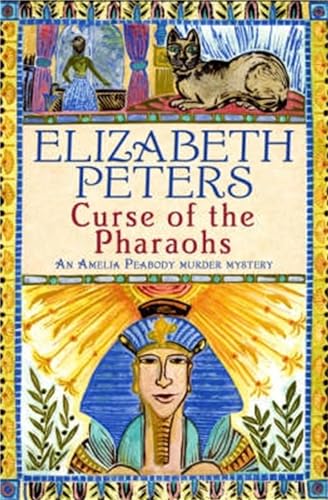
2. The Curse of the Pharaohs

3. The Mummy Case

4. Lion in the Valley

5. The Deeds of the Disturber

6. The Last Camel Died at Noon

7. The Snake, the Crocodile and the Dog

8. The Hippopotamus Pool

9. Seeing a Large Cat

10. The Ape Who Guards the Balance

11. Guardian of the Horizon

12. A River in the Sky

13. The Falcon at the Portal

14. The Painted Queen

15. He Shall Thunder in the Sky

16. Lord of the Silent

17. The Golden One

18. Children of the Storm
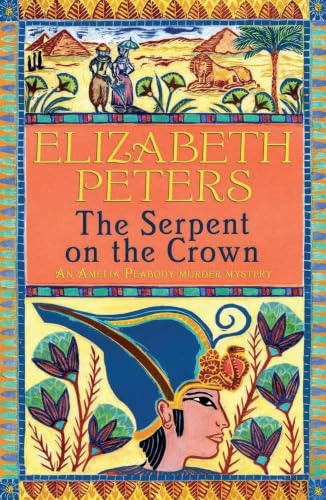
19. The Serpent on the Crown