Josephus was a Jewish commander and historian of the first century AD. After surrendering during the Jewish revolt against Rome, he wrote accounts of the war, Jewish history and the political-religious world of Judaea for a Greco-Roman audience.
At the outbreak of the First Jewish–Roman War, Josephus commanded Jewish forces in Galilee and was captured after the fall of Jotapata in 67. He later attached himself to the Flavian household, taking the family name Flavius and living under Roman patronage. His position as both participant and survivor gave his writings unusual value, although it also shaped his reputation among later Jewish and Christian readers, who have debated his loyalties and his presentation of the revolt.
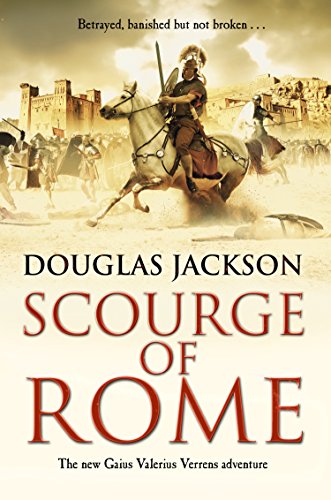
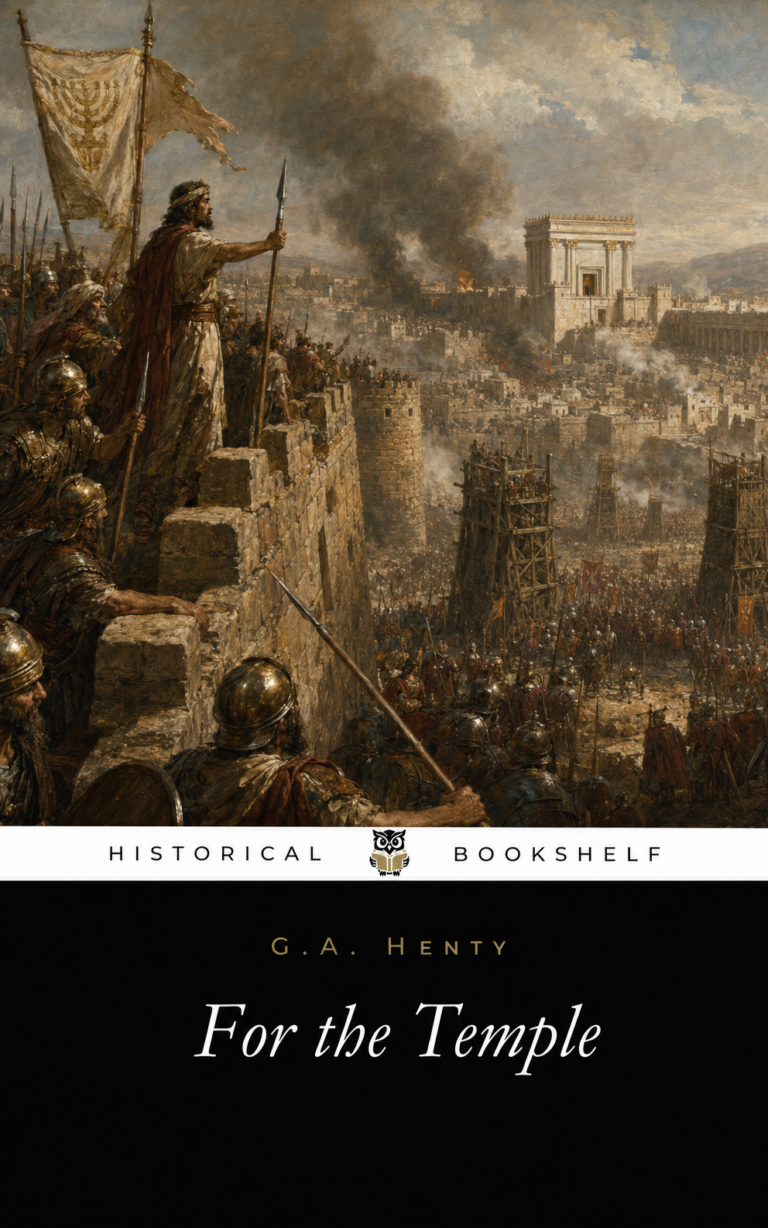
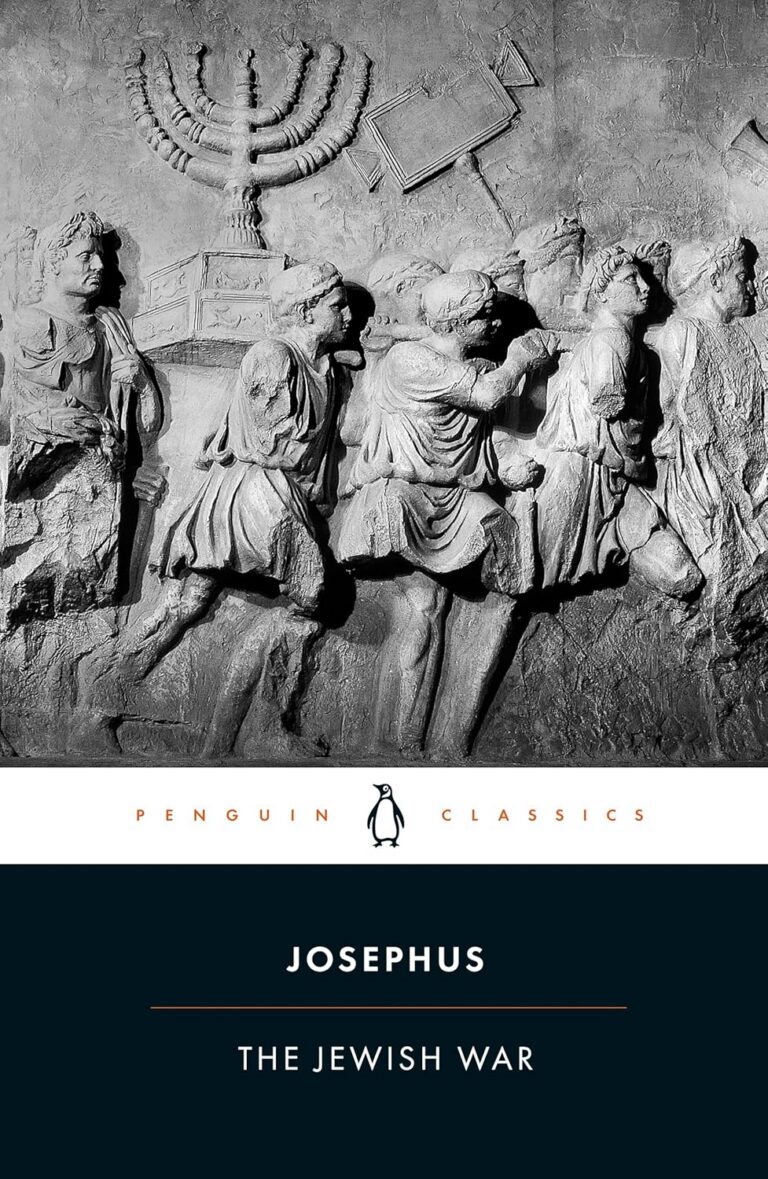
In Josephus’ The Jewish War, Josephus’s Jewish War is the principal ancient narrative source for the First Jewish–Roman War. In G. A. Henty’s For the Temple, Historical figures including Josephus, Titus, and Vespasian connect the fictional action directly to the documented events. In Douglas Jackson’s Scourge of Rome, Banished from Rome, Gaius Valerius Verrens travels to Judaea in AD 70 seeking the protection of Titus and a chance to restore his family’s standing. He reaches the Roman army surrounding Jerusalem, where the siege has hardened Titus and made every political calculation subordinate to the demand for a decisive victory. Valerius becomes involved with Queen Berenice and Josephus, whose attempts to influence the siege are viewed with suspicion by Roman officers and Jewish factions alike. Negotiation, intelligence work and fighting in the tunnels beneath the city converge as Valerius tries to regain his honour amid the assault that will destroy Jerusalem and its Temple.