c. 1600–1100 BCE
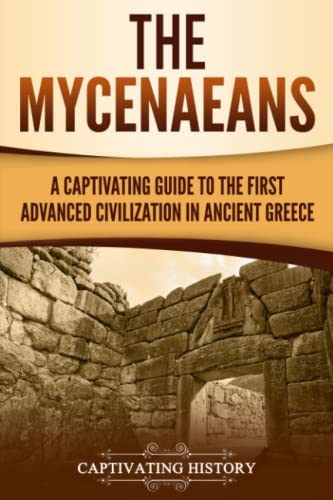
Mycenaean Greece was the Late Bronze Age civilisation of mainland Greek palaces and fortified centres. Mycenae, Pylos, Tiryns, and other sites reveal a world of kings, scribes, warriors, trade, and administrative control. It is the historical background most closely associated with later stories of Agamemnon, Achilles, Odysseus, and the Trojan War.
The Mycenaean world matters because it bridges archaeology and epic tradition. Its palace economy and warrior elites were very different from the later city-states, yet later Greeks treated the age as their heroic past. The collapse of this system around the end of the Bronze Age left behind ruins, memories, and stories that shaped Greek identity for centuries.
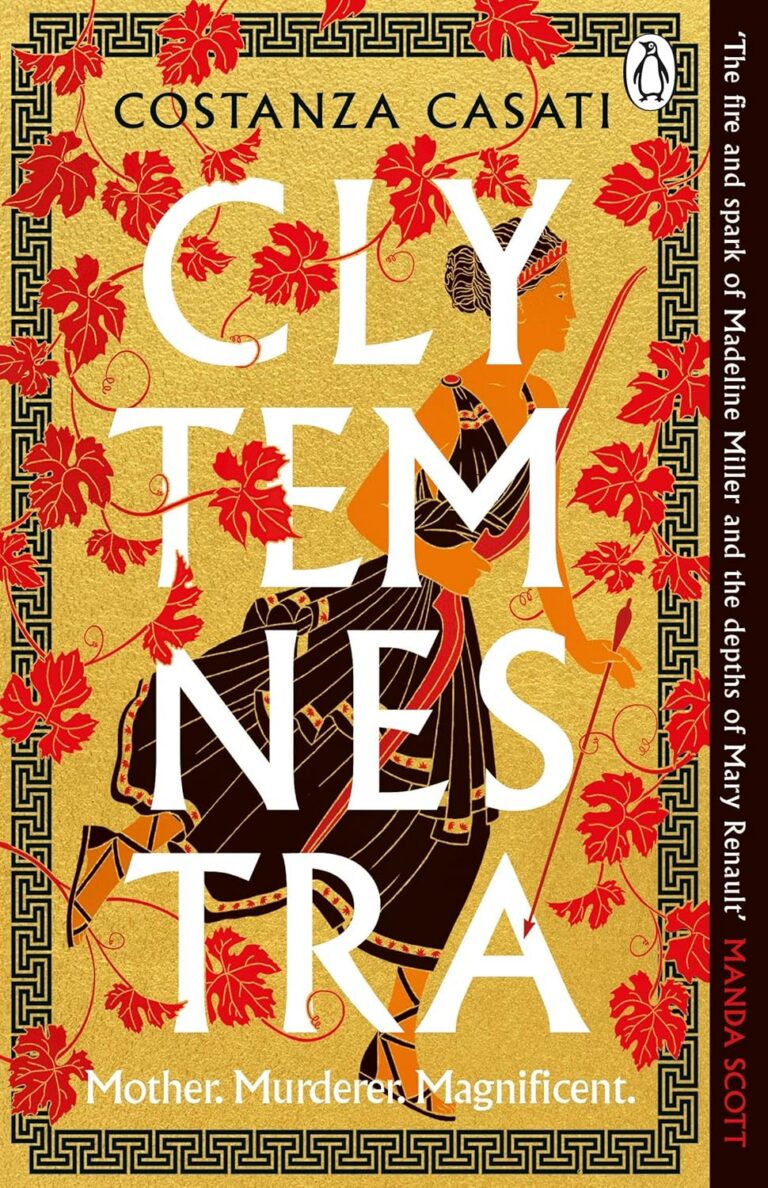
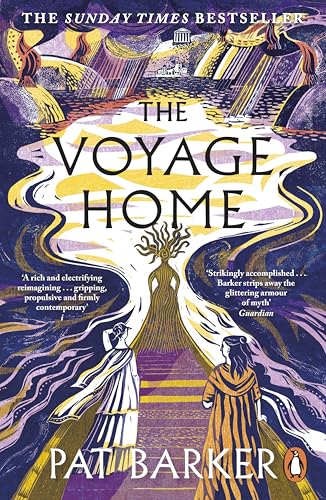
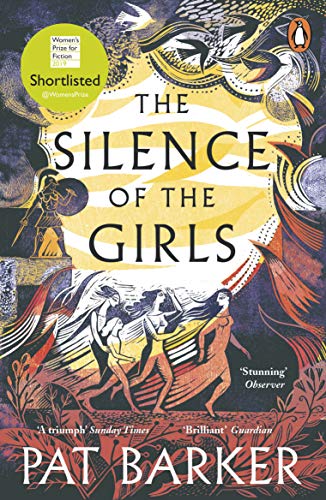
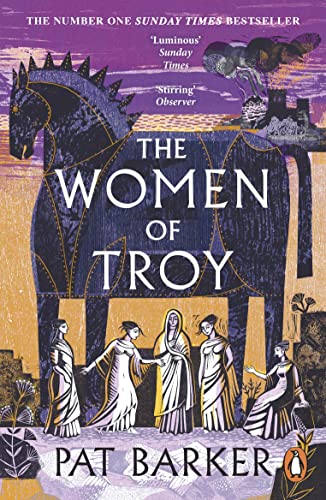
Mycenaean Greece is central to novels that retell the Trojan cycle or reimagine Homer from a more human perspective. Madeline Miller’s The Song of Achilles, Pat Barker’s The Silence of the Girls and The Women of Troy, Natalie Haynes’s A Thousand Ships, and David Gemmell’s Troy trilogy all draw on this world. Stories set here often follow kingship, captivity, vengeance, prophecy, warriors, queens, and the cost of heroic fame.