c. 108–62 BCE
Lucius Sergius Catilina, usually called Catiline, was a Roman senator and aristocrat whose name became synonymous with attempted revolution during the last decades of the Republic. Born around 108 BCE, he held military and political offices and reached the praetorship, but repeated efforts to win the consulship failed. His career unfolded amid severe debt, competition among elite factions and widespread resentment created by the social and political disruptions of the previous generation’s civil wars.
In 63 BCE Cicero, one of the consuls, accused Catiline of organising a conspiracy to seize power through assassination and armed uprising. Catiline left Rome to join forces gathering in Etruria, while several supporters remaining in the city were arrested and executed without trial after debate in the Senate. Government troops defeated Catiline’s army near Pistoria in early 62 BCE and he died fighting. The surviving story is heavily shaped by hostile accounts from Cicero and Sallust, so the conspiracy’s exact programme and scale remain subjects of historical debate.
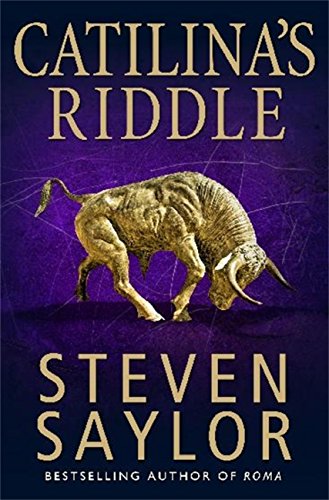
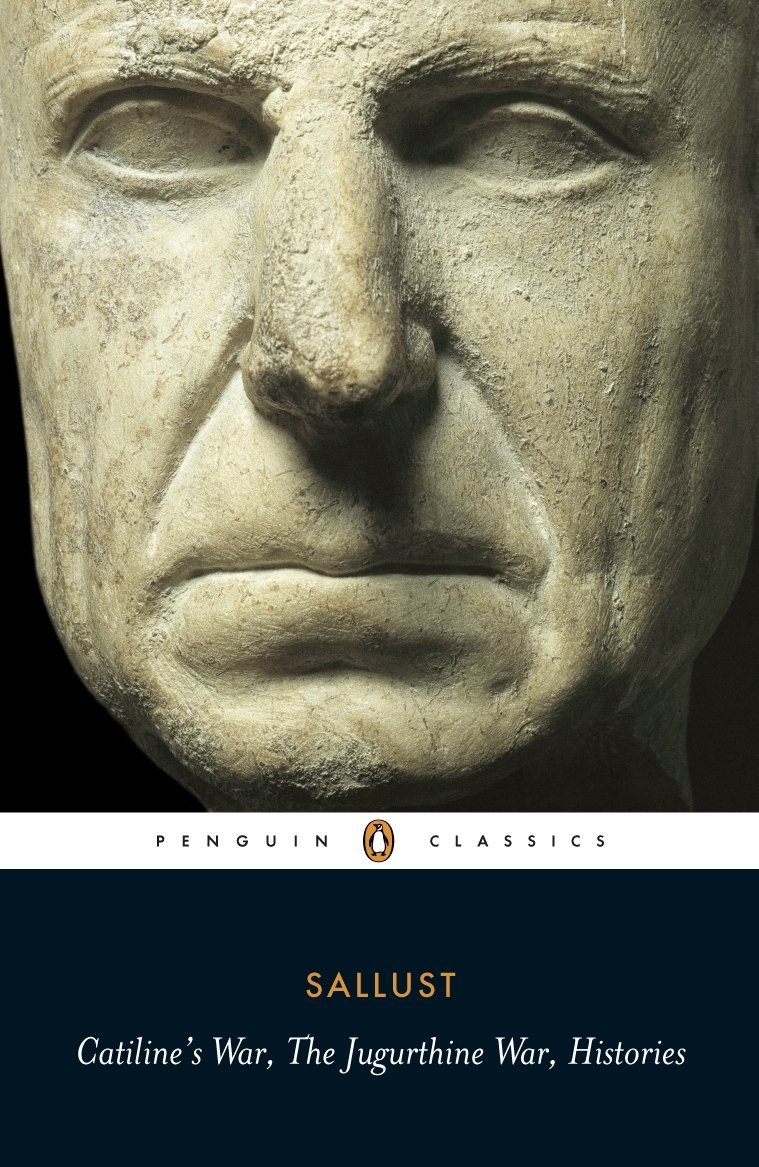
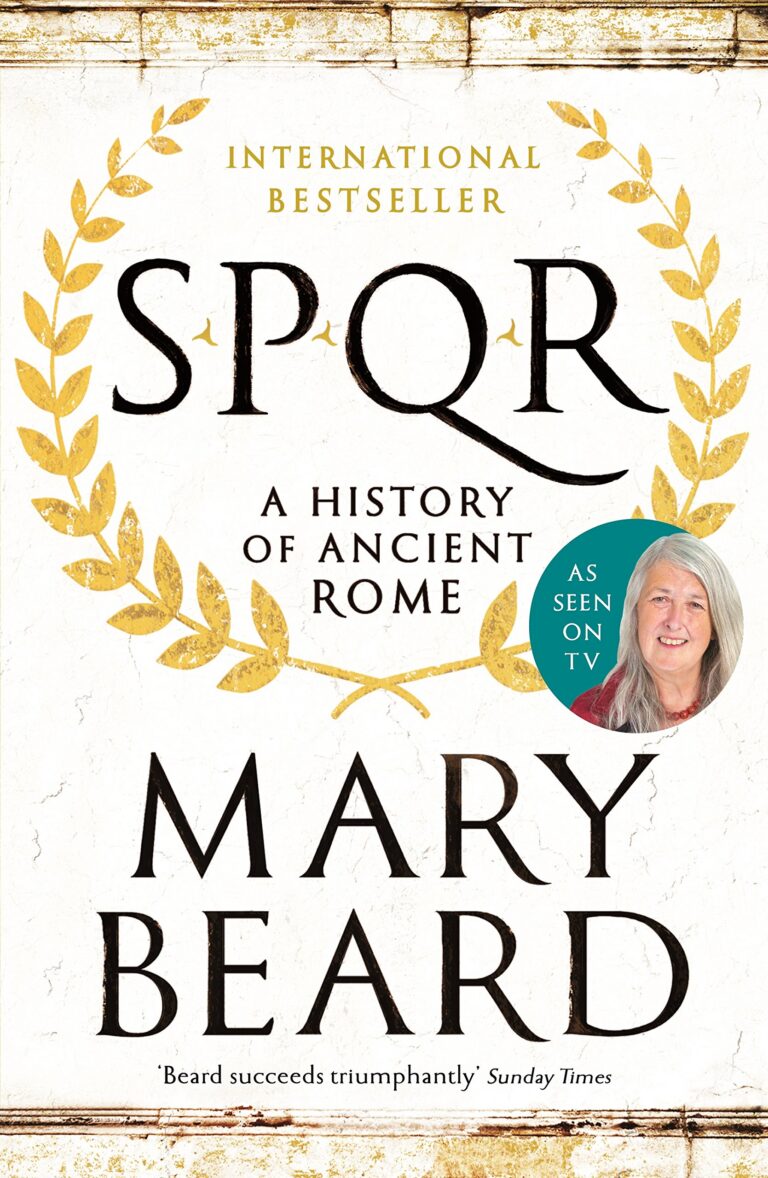
Sallust’s Catiline’s War, the Jugurthine War, Histories provides the ancient narrative of Catiline’s conspiracy, using debt, aristocratic ambition and political violence to diagnose the corruption of the late Republic. Mary Beard’s Spqr begins with Cicero’s confrontation with Catiline and uses the episode to show how Romans constructed stories about republican crisis. Robert Harris’s Lustrum tells the struggle from inside Cicero’s household, where exposing Catiline becomes inseparable from the consul’s own ambitions and compromises. Steven Saylor’s Catilina’s Riddle places Gordianus on an estate threatened by the conspiracy and forces him to decide how much of the official case he believes, while Alex Gough’s Caesar’s Soldier brings the unrest into the military and political world from which Caesar’s generation will emerge.