
Sacketts in Order
The Sacketts is Louis L’Amour’s seventeen-novel family chronicle, beginning with Barnabas Sackett in Elizabethan England and following successive generations into colonial North America and the nineteenth-century American West. The sequence moves from Atlantic migration and early settlement to river travel, cattle country, mining districts, Apache conflict and range…

1. Sackett’s Land

2. To the Far Blue Mountains

3. The Warrior’s Path

4. Jubal Sackett

5. Ride the River

6. The Daybreakers

7. Lando

8. Sackett
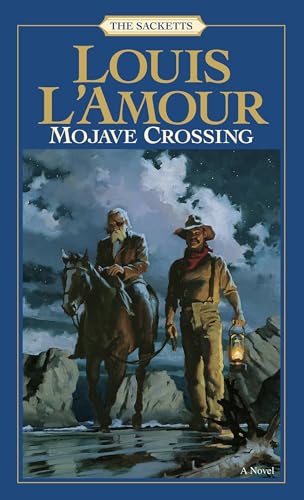
9. Mojave Crossing

10. The Sackett Brand

11. The Sky-Liners

12. The Lonely Men

13. Mustang Man

14. Galloway
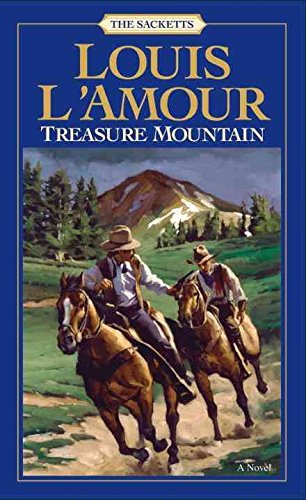
15. Treasure Mountain

16. Ride the Dark Trail











































































 Zane Grey
65 books
Zane Grey
65 books
 Terence Newnes
34 books
Terence Newnes
34 books
 Paulette Jiles
5 books
Paulette Jiles
5 books
 James Fenimore Cooper
25 books
James Fenimore Cooper
25 books
 Gilbert Morris
104 books
Gilbert Morris
104 books