Edward the Confessor was king of England from 1042 to 1066 and the penultimate ruler of the house of Wessex. His reign was shaped by the power of Earl Godwin’s family, links with Normandy and uncertainty over the succession because he had no children.
Later tradition celebrated his piety and miracles, leading to canonisation in 1161. His death triggered the rival claims that culminated in the battles of Stamford Bridge and Hastings. Edward the Confessor was born in Islip and died in Westminster.
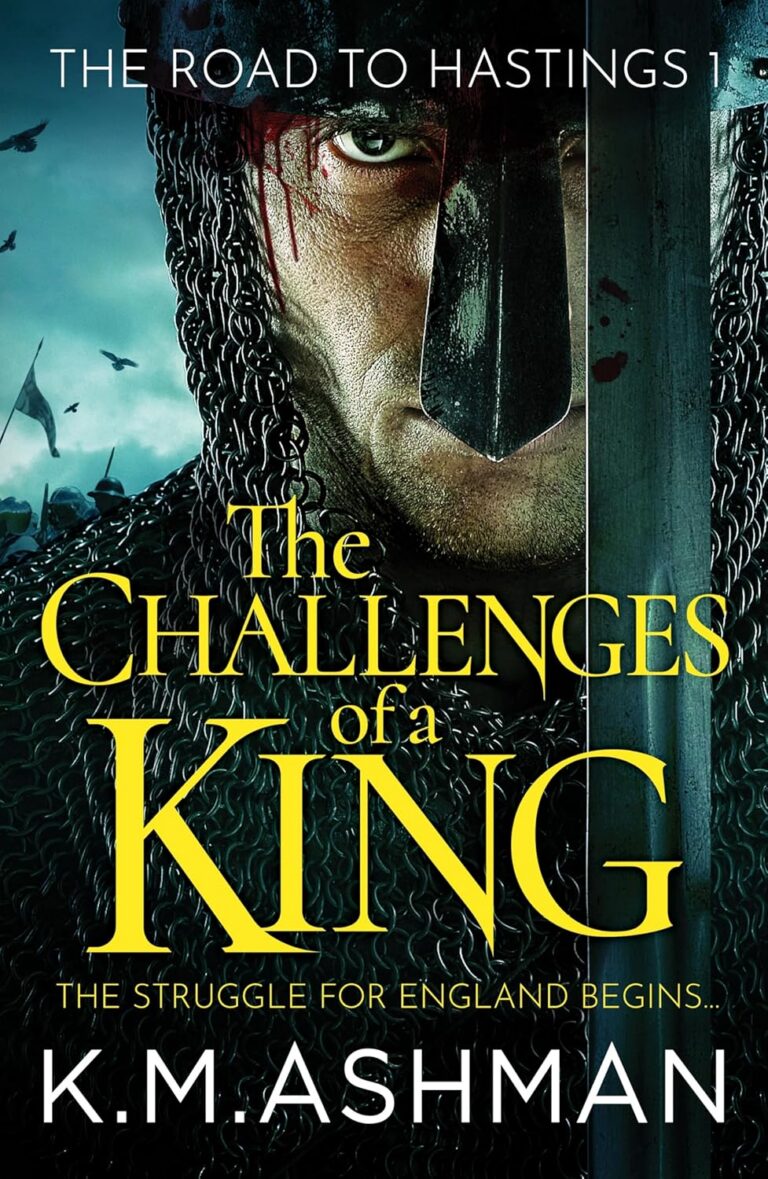
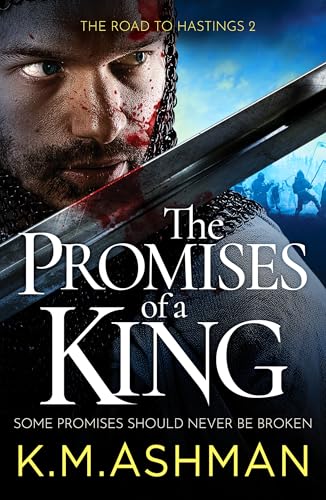
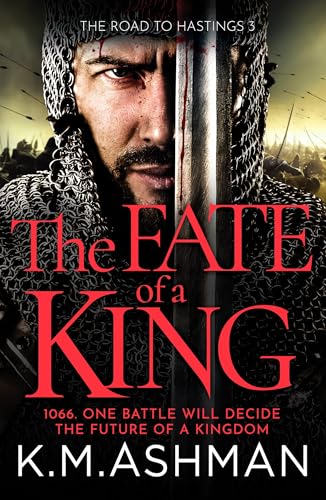
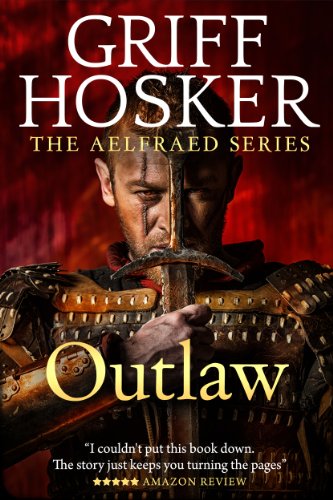
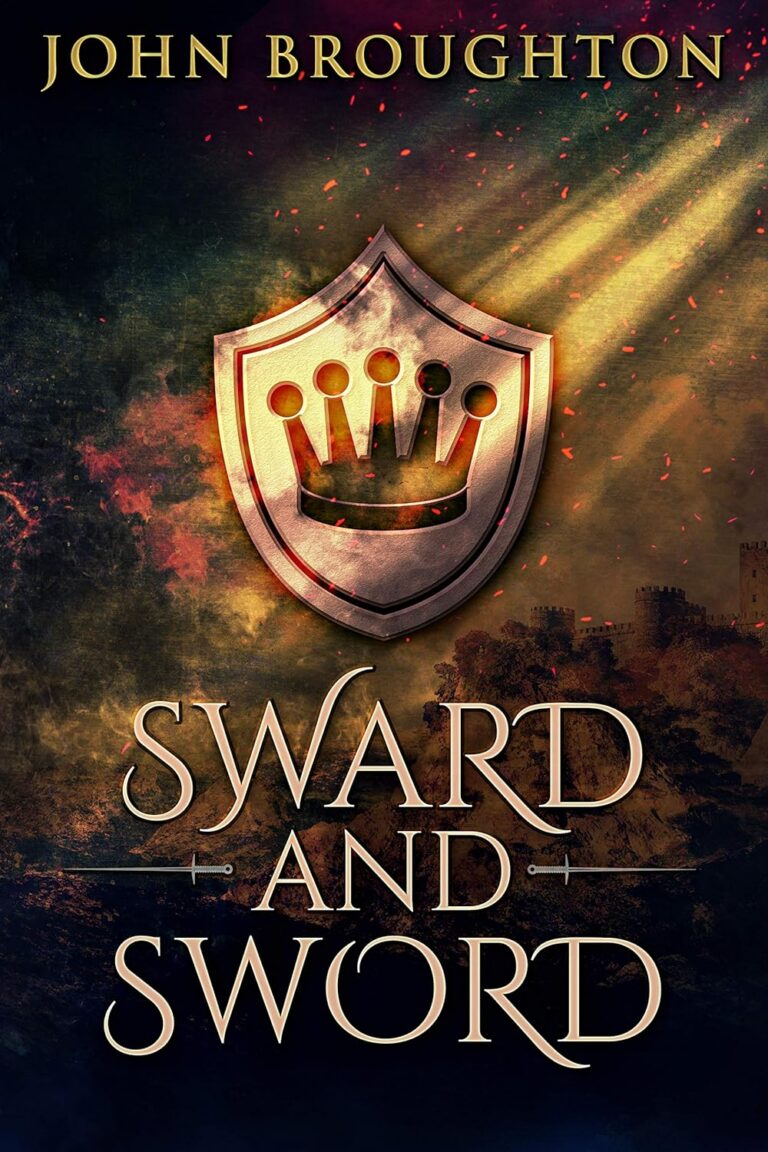
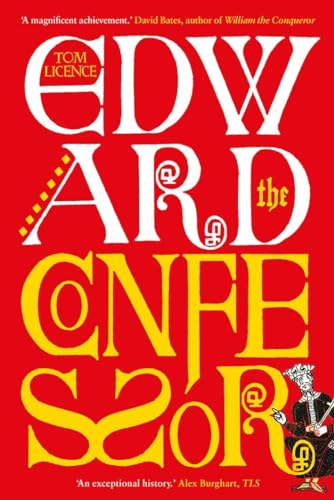
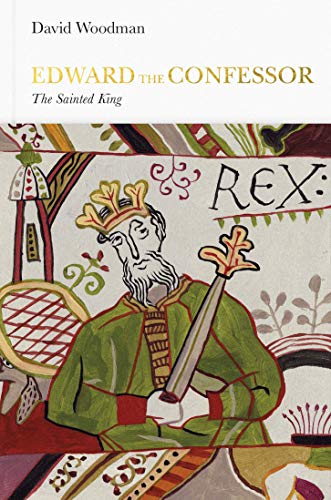
Tom Licence’s Edward the Confessor argues for a king with more personal authority and political skill than the traditional image of a passive saint, while David Woodman’s Edward the Confessor (Penguin Monarchs) follows his return from exile, rule alongside the Godwins and later cult. Marc Morris’ The Norman Conquest treats Edward’s childless death as the succession crisis from which the rival claims of Harold Godwinson, Harald Hardrada and William of Normandy emerged. John Broughton’s Sward and Sword places Edward within Godwine’s rise and the changing royal houses of eleventh-century England. Alfred Duggan’s The Cunning of the Dove makes Edward himself the focus, presenting his piety and apparent mildness as political tools in his struggle to balance the great earls.