
1. American Civil War
The American Civil War surveys the sectional crisis that divided the United States, the secession of the southern states and the four-year conflict that followed. It explains the central place of slavery, the competing Union and Confederate war aims, emancipation and the mobilisation of armies, governments…
2. Battle of Antietam
The Battle of Antietam reconstructs the Maryland Campaign of 1862 and the fighting near Sharpsburg on 17 September, the bloodiest single day in United States military history. It follows Robert E. Lee’s first invasion of the North, George B. McClellan’s response and the combat around the…
3. Battle of Chickamauga
The Battle of Chickamauga examines the September 1863 struggle that followed the Union advance through Tennessee and northern Georgia. It traces the movements of William Rosecrans and Braxton Bragg, the arrival of James Longstreet’s corps and the command error that opened a gap in the Union…
4. Battle of Gettysburg
The Battle of Gettysburg follows the three days of fighting in Pennsylvania from 1 to 3 July 1863. It traces Robert E. Lee’s second invasion of the North, the improvised concentration of both armies and the battles at Cemetery Hill, Little Round Top, the Wheatfield and…
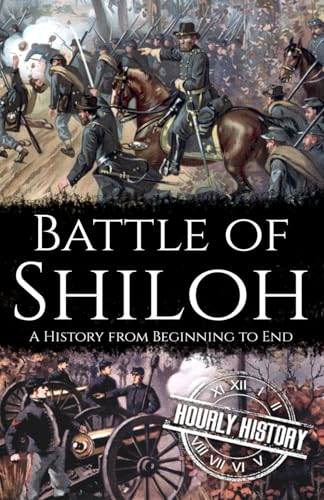
5. Battle of Shiloh
The Battle of Shiloh recounts the sudden Confederate attack on Ulysses S. Grant’s army near Pittsburg Landing in April 1862. It describes the confused fighting around Shiloh Church and the Hornet’s Nest, the death of Albert Sidney Johnston and the arrival of Union reinforcements during the…
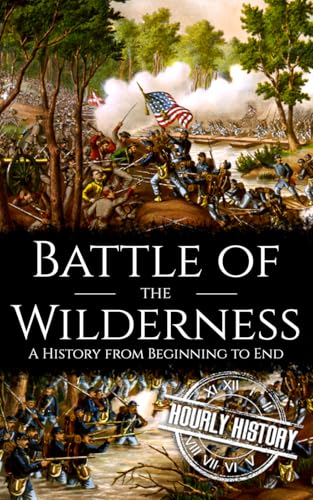
6. Battle of the Wilderness
The Battle of the Wilderness opens Ulysses S. Grant’s Overland Campaign of 1864, when the Army of the Potomac crossed the Rapidan and met Robert E. Lee in dense Virginia woodland. The broken ground limited artillery and visibility, producing close-range combat, confusion and fires that trapped…
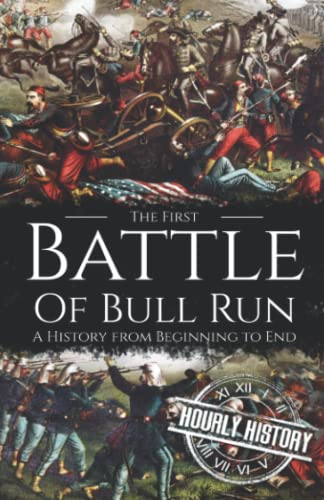
7. First Battle of Bull Run
The First Battle of Bull Run describes the first major land battle of the American Civil War, fought near Manassas in July 1861. It follows the inexperienced Union and Confederate armies, the contest around Henry House Hill and the arrival of reinforcements that turned an initially…
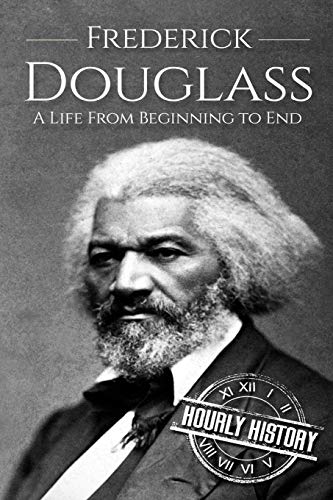
8. Frederick Douglass
Frederick Douglass traces the life of the formerly enslaved abolitionist who became one of the most influential writers and orators of nineteenth-century America. It follows his escape from slavery, the publication of his autobiographies, his lecture tours and his work as an editor and political campaigner.…
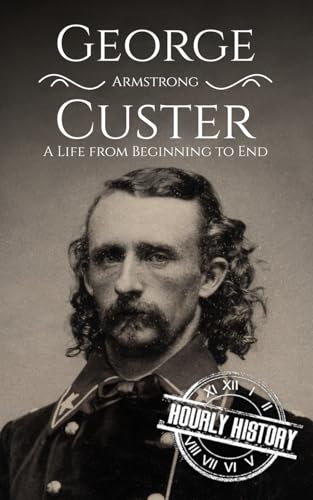
9. George Armstrong Custer
George Armstrong Custer follows the cavalry officer from his rapid rise during the American Civil War to his controversial career on the western frontier. It covers his service in the Army of the Potomac, his reputation for personal bravery and aggressive command, and his post-war assignments…
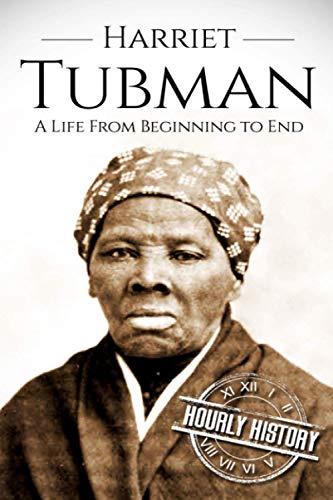
10. Harriet Tubman
Harriet Tubman recounts the life of the woman who escaped slavery in Maryland and repeatedly returned south to guide relatives and other freedom seekers to safety. It explains the operation and risks of the Underground Railroad while placing Tubman’s work within wider Black abolitionist networks. During…
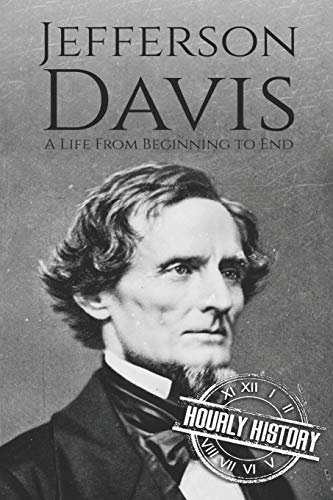
11. Jefferson Davis
Jefferson Davis examines the politician, planter and former United States officer who became president of the Confederate States. It follows his military service in the Mexican-American War, his career in the Senate and cabinet, his defence of slavery and states’ rights, and his reluctant acceptance of…
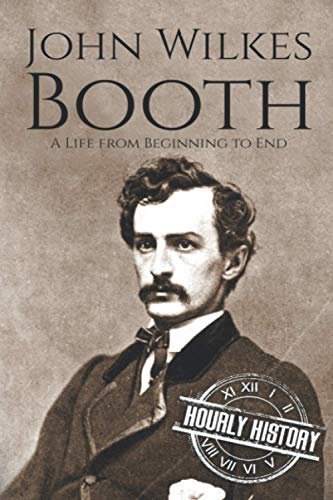
12. John Wilkes Booth
John Wilkes Booth traces the career of the celebrated actor and Confederate sympathiser who assassinated Abraham Lincoln in April 1865. It follows his theatrical background, radicalisation during the Civil War and the earlier kidnapping plot that developed into a coordinated attack on the Union government. The…
13. Reconstruction Era
The Reconstruction Era examines the effort to rebuild the United States and define freedom after the Civil War. It covers the abolition of slavery, presidential and congressional reconstruction, the creation of new southern governments and the Thirteenth, Fourteenth and Fifteenth Amendments. The book gives particular attention…
14. Robert E. Lee
Robert E. Lee follows the Virginia officer from his West Point training and service in the Mexican-American War to command of the Army of Northern Virginia. It examines his decision to leave the United States Army, his major campaigns and the aggressive strategy that produced both…
15. Sojourner Truth
Sojourner Truth recounts the life of the formerly enslaved New Yorker who became an itinerant preacher and a prominent advocate of abolition, women’s rights and racial equality. It follows her escape from slavery, her successful legal effort to recover her son and the adoption of the…
16. Stonewall Jackson
Stonewall Jackson traces Thomas J. Jackson’s career from the Mexican-American War and teaching at the Virginia Military Institute to his rise as one of the Confederacy’s most successful field commanders. It explains how his stand at First Bull Run produced the nickname that became central to…