George Henry Thomas was a Virginia-born United States Army officer who remained loyal to the Union during the Civil War and became one of its most successful western commanders. A West Point graduate and veteran of the Mexican-American War, he faced a painful sectional choice in 1861 when Virginia seceded. Thomas stayed with the United States Army, a decision that estranged him from much of his family. He won an important early Union victory at Mill Springs, Kentucky, in January 1862.
Thomas commanded with distinction at Stones River and became famous at Chickamauga in September 1863, where his defensive stand helped prevent a Union defeat from becoming a rout and earned him the nickname “Rock of Chickamauga.” He later played a central role at Chattanooga and commanded the Army of the Cumberland. In December 1864 his forces shattered John Bell Hood’s Confederate army at Nashville. Thomas remained in the regular army after the war, declining political opportunities and dying while in command on the Pacific coast in 1870.
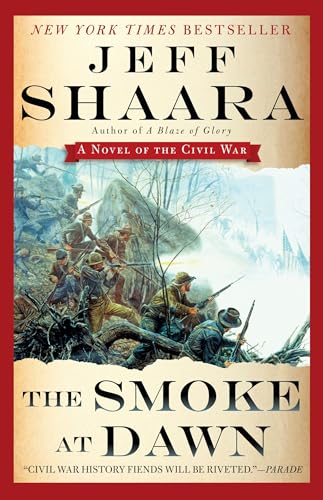
In Captivating History’s The Battle of Chickamauga, And on the Union side, there were Generals William Rosecrans (whose bright military career ended at Chickamauga), George Henry Thomas (the Virginian Union man who became known as the “Rock of Chickamauga” for his stand there), and Colonel James Garfield (who would be propelled to the presidency of the United States in 1880 due to his actions at Chickamauga). In Jeff Shaara’s The Smoke at Dawn, the Army of the Cumberland retreats into Chattanooga, where Braxton Bragg’s Confederates occupy the surrounding heights and threaten to starve it into surrender. Ulysses S. Grant arrives to restore the supply line and reorganise the Union command. Grant, William Tecumseh Sherman and George Henry Thomas prepare attacks while Bragg and Patrick Cleburne confront division within the Army of Tennessee. Fighting at Lookout Mountain and Missionary Ridge breaks the siege and sends the Confederate army back into Georgia. Hourly History’s Battle of Chickamauga follows the Confederate breakthrough and George H. Thomas’s stand on Snodgrass Hill, which allowed much of the Union army to retreat to Chattanooga.