c. 138–78 BCE
Lucius Cornelius Sulla was a Roman general and politician whose rivalry with Marius helped turn political conflict into civil war. He marched an army on Rome, campaigned successfully against Mithridates and returned to defeat his opponents.
As dictator he issued proscriptions that killed enemies and transferred their property, then rewrote constitutional rules to strengthen the senate and limit popular magistrates. Sulla unexpectedly resigned and died in private life in 78 BC. Sulla was born in Rome, Roman Republic and died in Puteoli, Roman Republic.
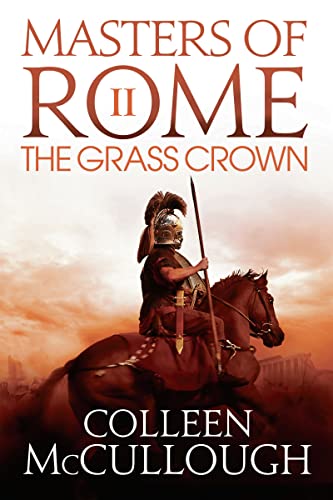
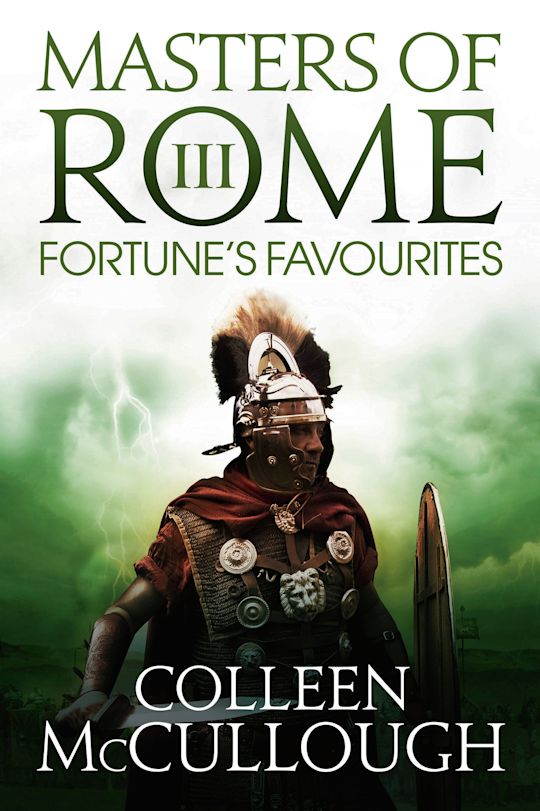
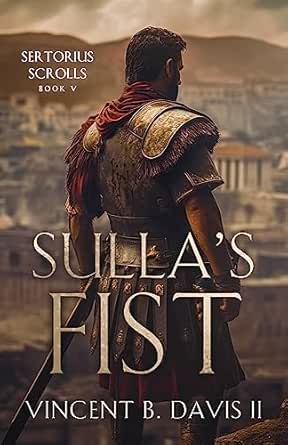
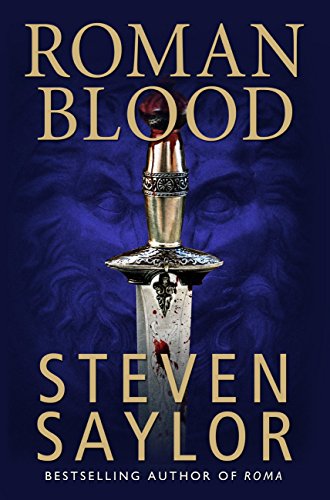
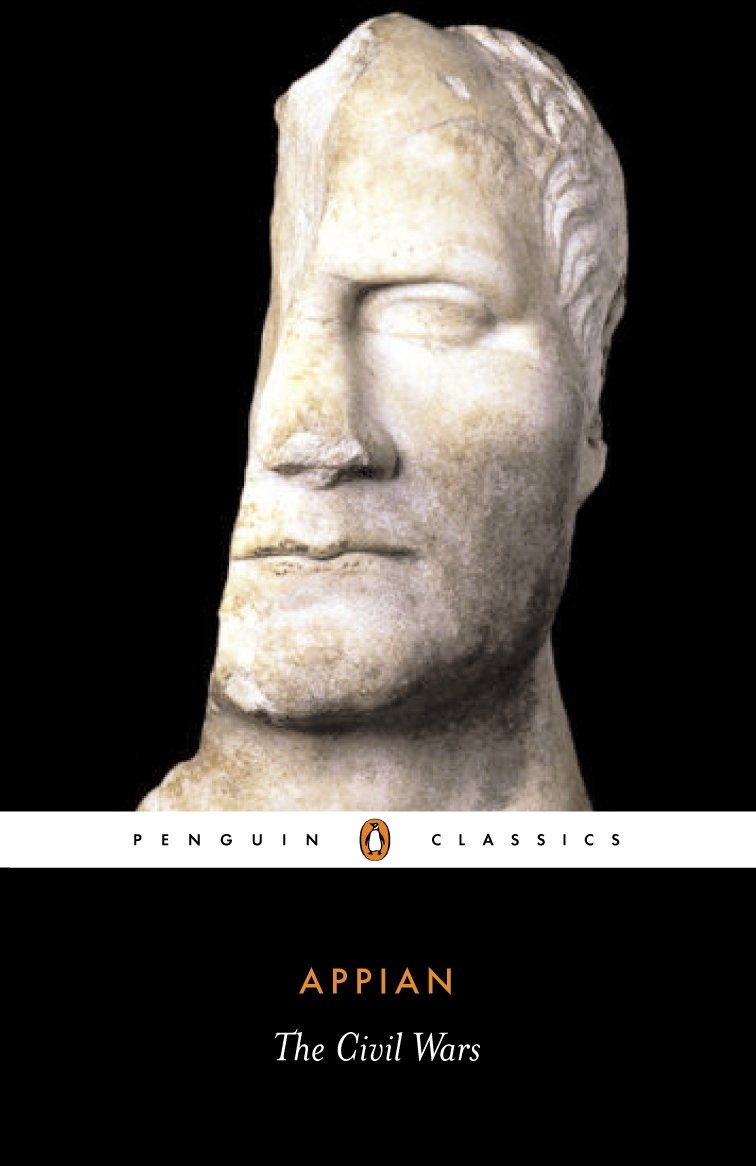
Colleen McCullough’s The Grass Crown follows Sulla’s rise during the Social War and his unprecedented march on Rome after command against Mithridates is transferred to Marius. Fortune’s Favourites takes him through victory in the east, return with a veteran army, dictatorship and the political order he leaves behind. Steven Saylor’s Roman Blood places its murder investigation in the aftermath of Sulla’s proscriptions, where confiscated property and fear of the dictator’s allies shape the case. Vincent B. Davis II’s Sulla’s Fist shows the younger Sertorius serving in a Republic increasingly dominated by Sulla’s military methods and faction. Appian’s The Civil Wars provides the ancient historical account of Sulla’s rivalry with Marius, his seizure of Rome, the proscriptions and the constitutional settlement imposed after victory.