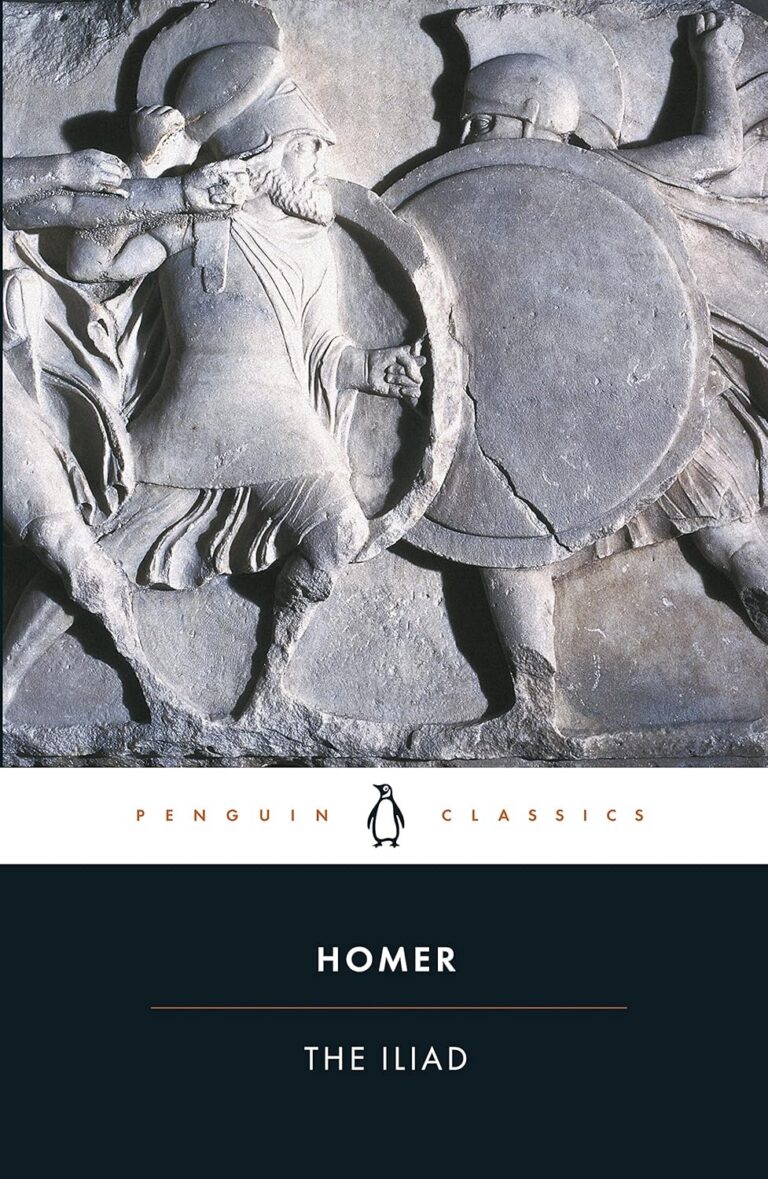
Briseis was a captive woman in the Iliad whose seizure by Agamemnon causes Achilles to withdraw from battle. Although treated as a prize by the Greek commanders, Briseis also embodies the fate of women whose cities were destroyed during the Trojan War.
After Achilles withdraws from battle, Briseis becomes one of the human costs at the centre of the Iliad’s quarrel between elite warriors. When she is returned to Achilles, her lament for Patroclus briefly gives her an independent emotional voice and recalls the destruction of her own family and city. Later writers have increasingly treated her not as a prize in the dispute but as a captive woman experiencing war, displacement and enslavement.
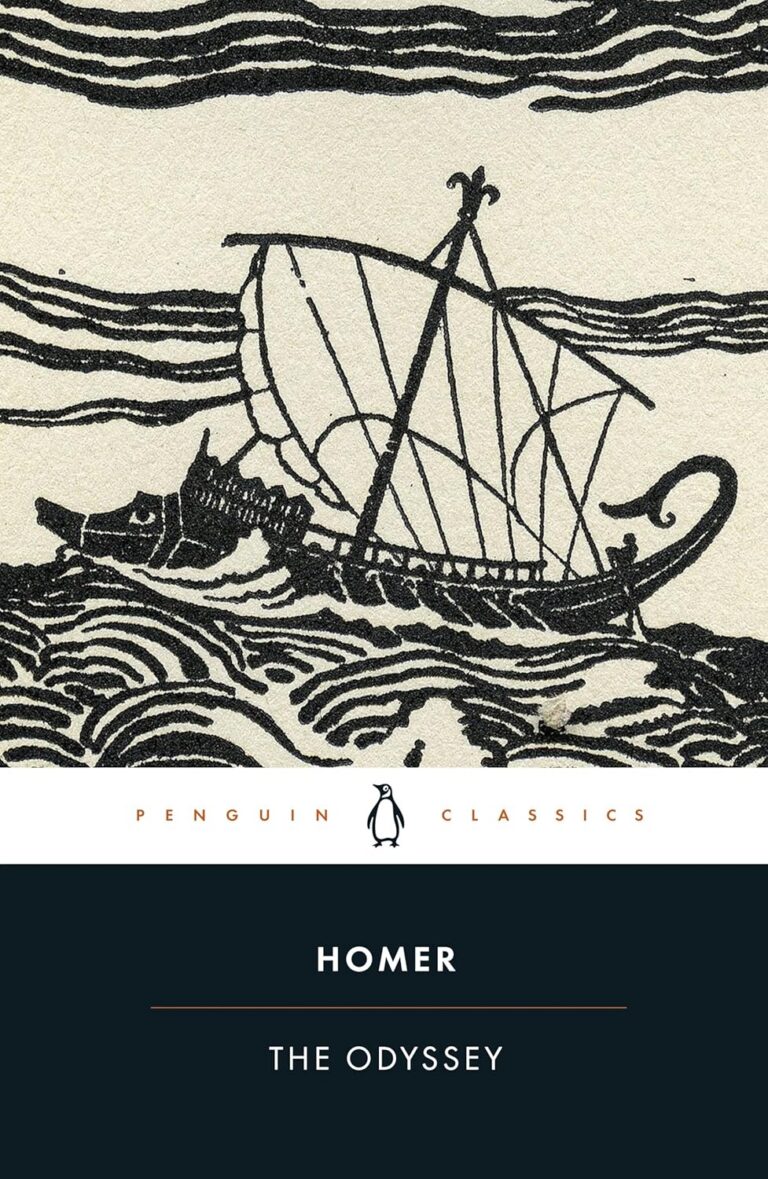
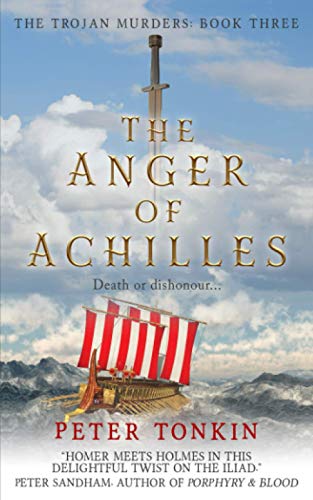
In Peter Tonkin’s The Anger of Achilles, Achilles and his Myrmidons occupy the ruined city with Odysseus and Aias, but Princess Briseis is the only survivor of the royal house. In Homer’s The Iliad, after Agamemnon takes Briseis from him, Achilles withdraws from the Greek army and asks his divine mother, Thetis, to persuade Zeus to favour the Trojans. Without their greatest warrior, the Greeks are driven back towards their ships, while Hector leads the Trojan assault and appears close to breaking their resistance. Further fictional perspectives on Briseis can be found in David Gemmel’s Troy: Fall of Kings and David Gemmel’s Troy: Shield of Thunder.