Ian Fleming was a British writer, journalist and former naval intelligence officer who created James Bond. Born in London in 1908, he worked in journalism and finance before the Second World War. During the conflict he served in the Royal Naval Volunteer Reserve as assistant to Rear-Admiral John Godfrey, Director of Naval Intelligence. Fleming contributed to planning intelligence operations, handled liaison work and was associated with the creation of specialist units designed to seize enemy documents, codes and technical material.
After the war Fleming became foreign manager of the Kemsley newspaper group while spending part of each year at his Jamaican house, Goldeneye. He published Casino Royale in 1953 and followed it with a sequence of Bond novels and story collections that combined espionage, travel, technology, violence and consumer luxury. The books became international bestsellers and the film adaptations turned Bond into a durable cultural phenomenon. Fleming also wrote Chitty-Chitty-Bang-Bang for children. Heavy smoking and drinking damaged his health, and he died in 1964 at the age of fifty-six.
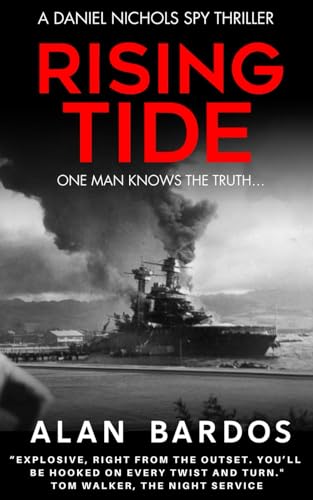
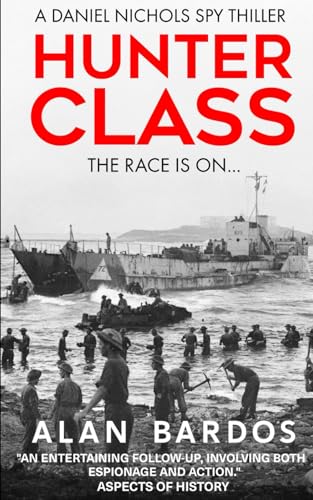
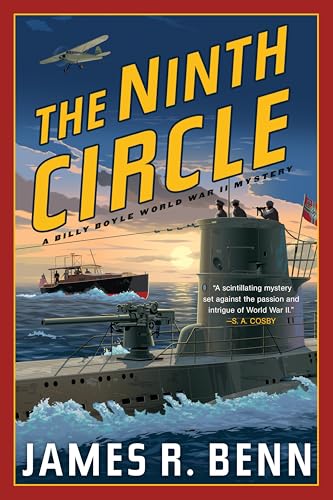
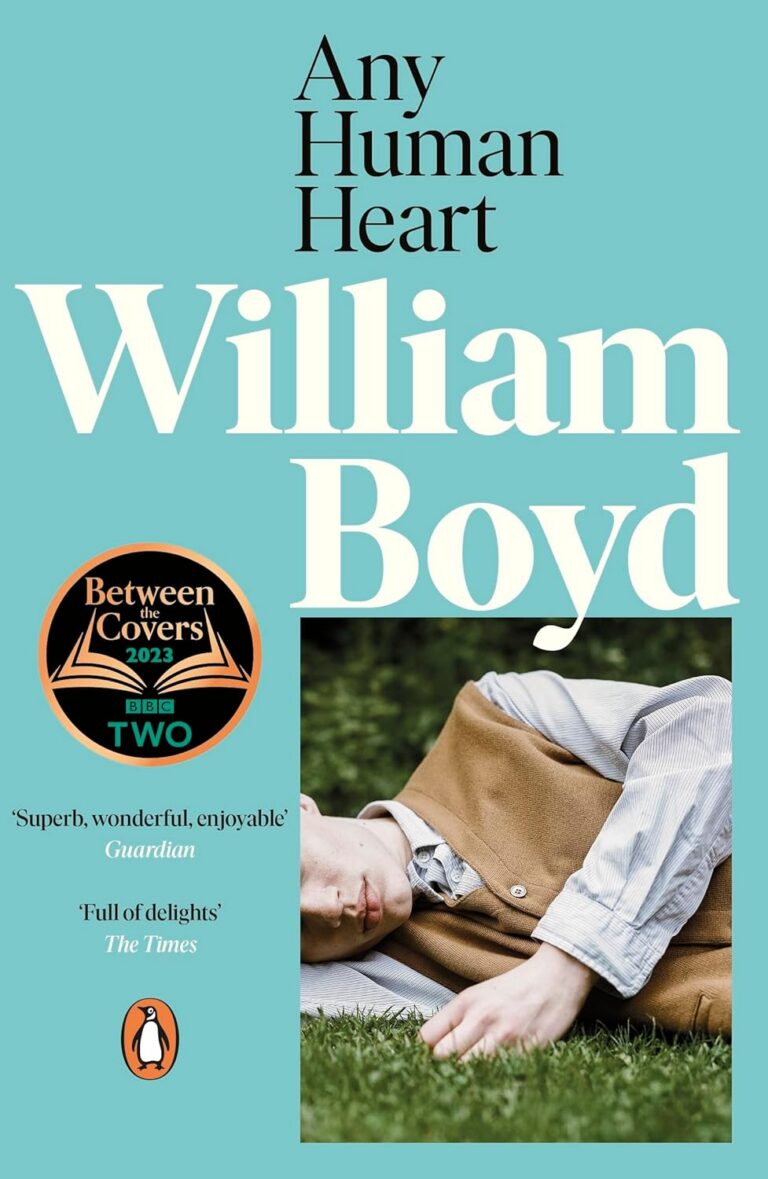
In Alan Bardos’ Hunter Class, during Operation Husky, Lieutenant Daniel Nichols serves with 30 Commando, the intelligence-raiding unit associated with Ian Fleming and tasked with seizing enemy documents, codes and technical material ahead of the main Allied advance. In Alan Bardos’ Rising Tide, Grounded from flying and transferred into the Naval Intelligence Division, Nichols persuades his superior, Ian Fleming, to let him pose as a disaffected airman with information to sell to German and Japanese intelligence. Further fictional perspectives on Ian Fleming can be found in James R. Benn’s The Ninth Circle and William Boyd’s Any Human Heart.