Charles the Bold was duke of Burgundy from 1467 to 1477 and sought to turn his scattered territories into an independent kingdom between France and the Holy Roman Empire. His aggressive campaigns brought him into conflict with Louis XI, the Swiss Confederacy and the duke of Lorraine.
After defeats at Grandson and Morat, he was killed at Nancy, and the Burgundian state was divided through the marriage of his heir Mary. He is often presented as the last great chivalric duke, although his government also depended on sophisticated finance and administration.
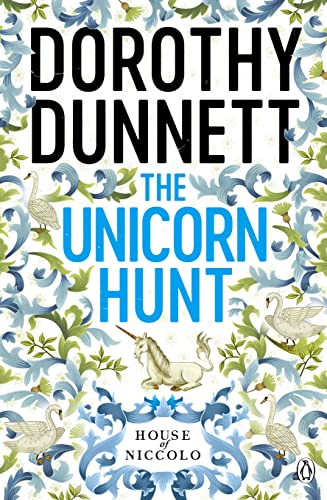
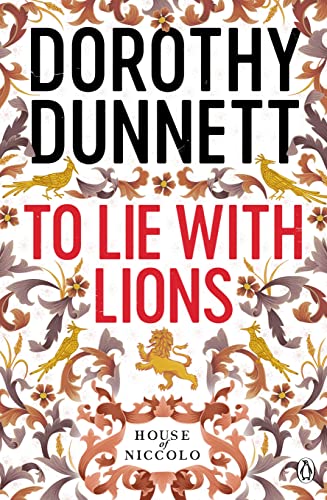
Anne Easter Smith’s Daughter of York places Charles the Bold at the centre of Margaret of York’s dynastic marriage, following her adjustment to the Burgundian court and the collision between Charles’s ambitions and Louis XI’s hostility. In Sir Walter Scott’s Quentin Durward, Charles is Louis XI’s formidable rival, and the crisis at Péronne leaves the French king temporarily in the duke’s power. Dorothy Dunnett’s The Unicorn Hunt carries Nicholas de Fleury through the financial and diplomatic networks linking Scotland, Burgundy and the continental courts during Charles’s expansion. To Lie with Lions returns to the same Burgundian sphere in 1471, where Nicholas’s commercial schemes operate inside a balance of power increasingly shaped by Charles’s wars and political reach.