Jane Seymour was the third wife of Henry VIII and the mother of Edward VI. She served Catherine of Aragon and Anne Boleyn before Henry began courting her during Anne’s final months. Married shortly after Anne’s execution, Jane helped reconcile Henry with his daughter Mary and cultivated a more conventional queenly image.
She gave birth to the long-awaited male heir in October 1537 but died less than two weeks later from complications following childbirth. Her early death allowed Tudor memory to idealise her as Henry’s perfect wife.
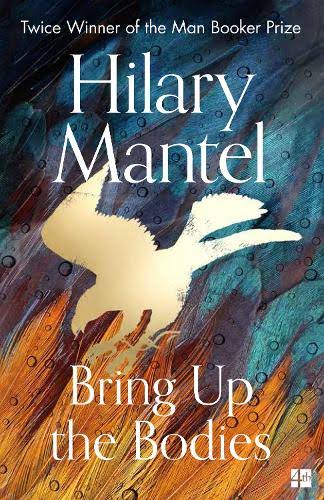
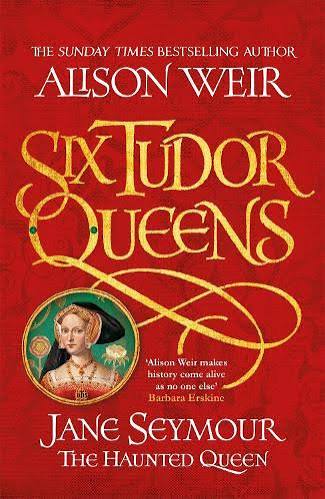
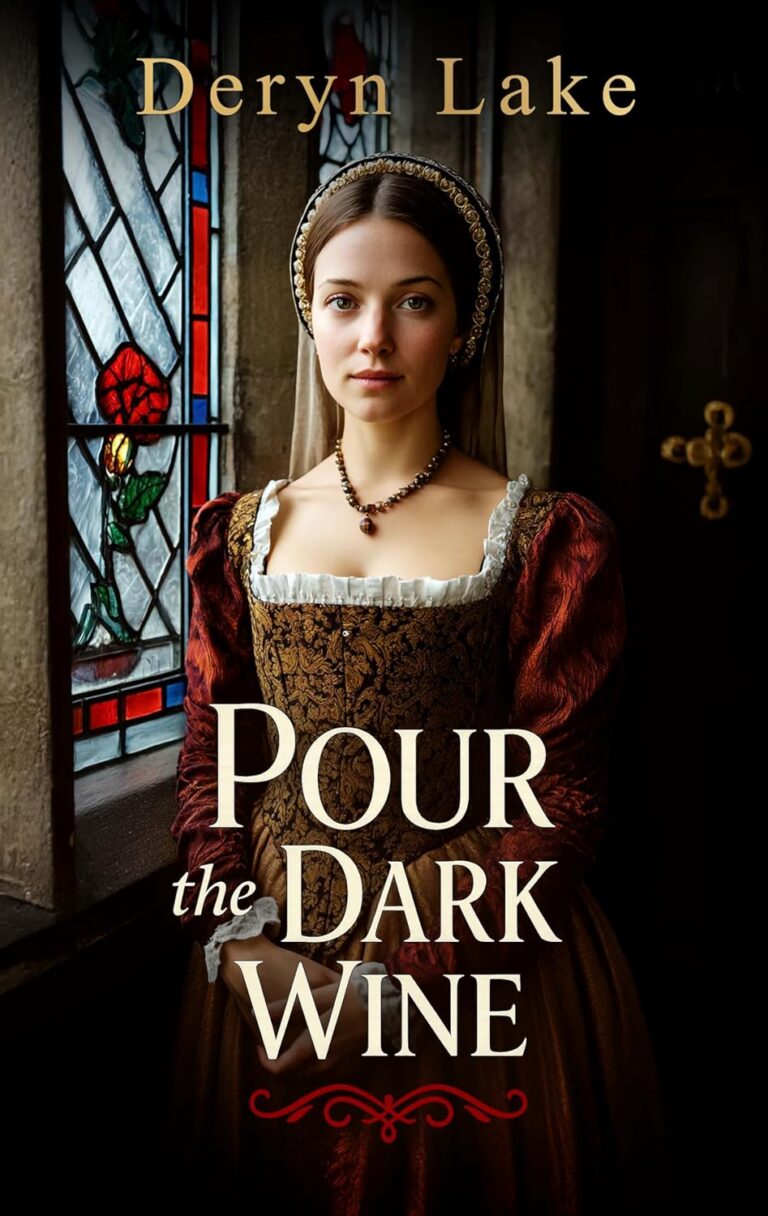
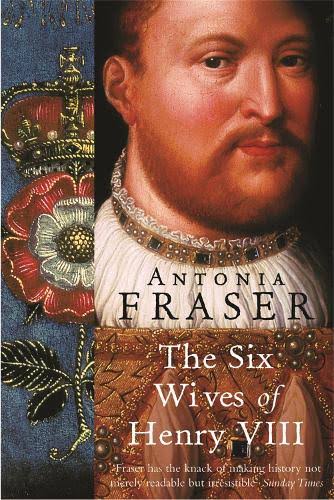
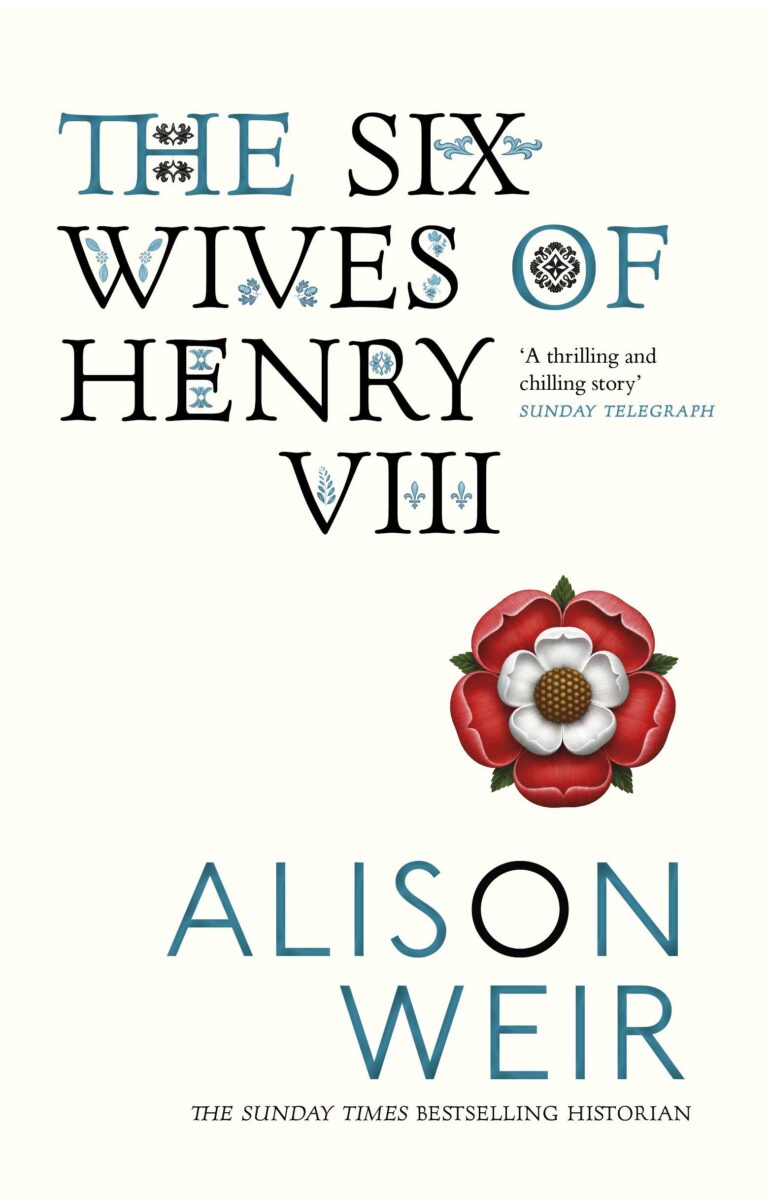
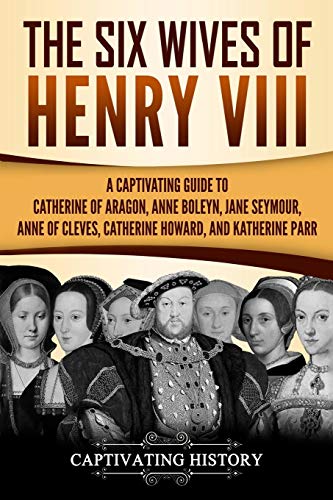
Alison Weir’s Jane Seymour follows Jane from service to Katherine of Aragon through Henry VIII’s pursuit of her, marriage, queenship and the birth of the long-awaited Prince Edward. Hilary Mantel’s Bring up the Bodies presents her rise from Thomas Cromwell’s perspective as Henry’s attention shifts away from Anne Boleyn, while The Mirror and the Light shows Jane as queen, mother of the heir and then a sudden death that again alters the court’s balance. Deryn Lake’s Pour the Dark Wine places Jane within the wider advancement of the Seymour family, whose fortunes continue through her brothers after her death. Antonia Fraser’s The Six Wives of Henry VIII examines the historical Jane alongside Henry’s other queens, especially the political value attached to her successful pregnancy and the reputation of reconciliation later attached to her brief queenship.