


As an Amazon Associate, I earn from qualifying purchases. This means if you click on a link and make a purchase, I may receive a small commission at no extra cost to you.

Home / Historical Periods / World War I / Armistice and Aftermath of World War I

Phase

Armistice and Aftermath of World War I

1918–1923 CE

The armistice of 11 November 1918 ended the fighting on the Western Front, but it did not bring immediate stability. Peace treaties, demobilisation, influenza, revolution, economic dislocation and grief shaped the years that followed. Millions returned home to societies that had changed while they were away.

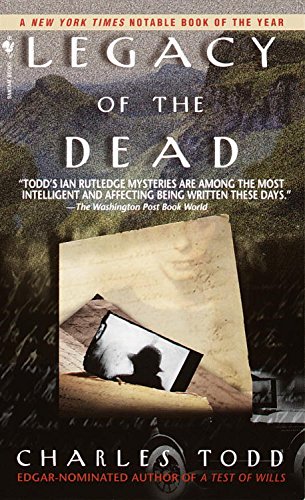
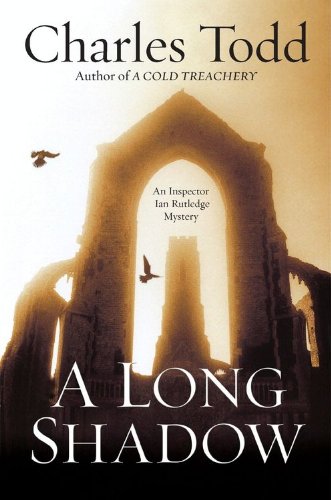
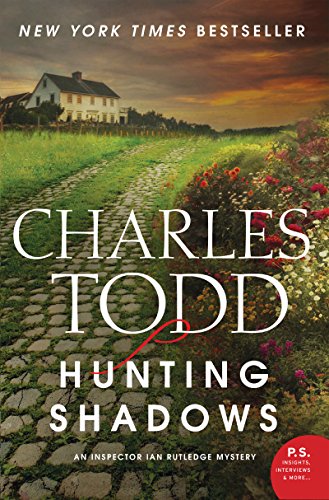
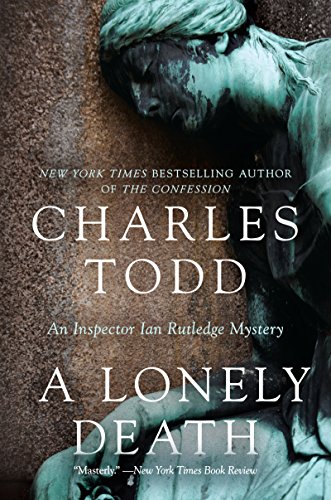
The aftermath matters because the war continued politically and emotionally after the guns stopped. Veterans faced injury, shell shock, unemployment and memorial culture, while new borders created fresh grievances. It is a major setting for detective series, family sagas and novels about memory, mourning and the uneasy return to civilian life.

World War I historical fiction is strongly associated with Pat Barker's Regeneration novels, Sebastian Faulks's Birdsong, Erich Maria Remarque's All Quiet on the Western Front and Ken Follett's Century trilogy. Jacqueline Winspear's Maisie Dobbs series also uses the war's aftermath to shape detective fiction, grief and memory. These entries are useful for linking battlefield novels with home-front stories, medical fiction, espionage, shell shock, class change and postwar trauma.

Related people for Armistice and Aftermath of World War I

Books

26 Best Novels About the Armistice and Aftermath of World War I

Bestselling authors first, then star rating.

Non Fiction

1 Non-Fiction Book About the Armistice and Aftermath of World War I

Histories, biographies and reference works are listed separately from the historical novels above.